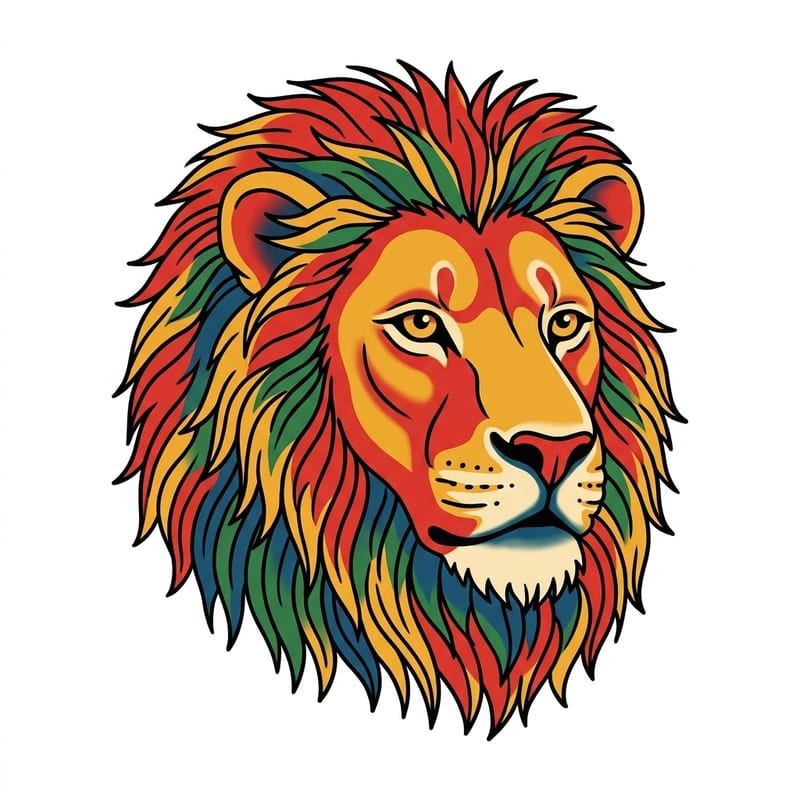
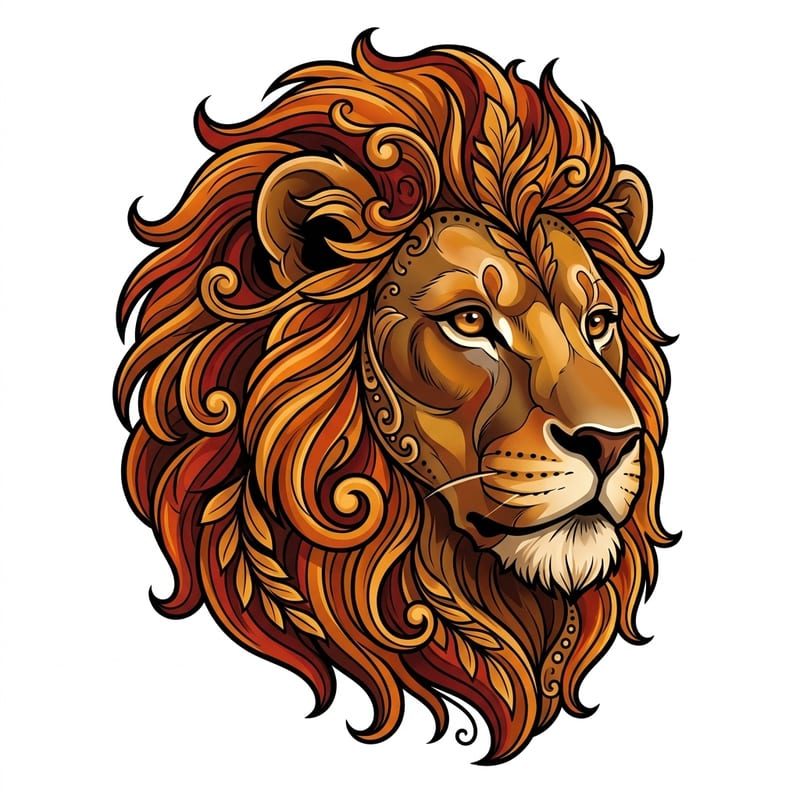
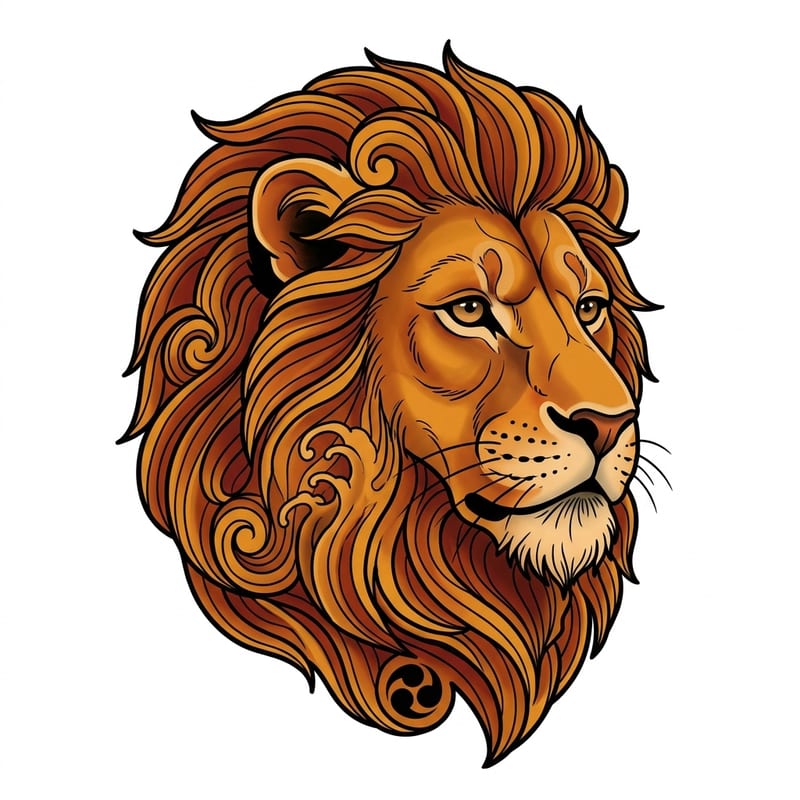
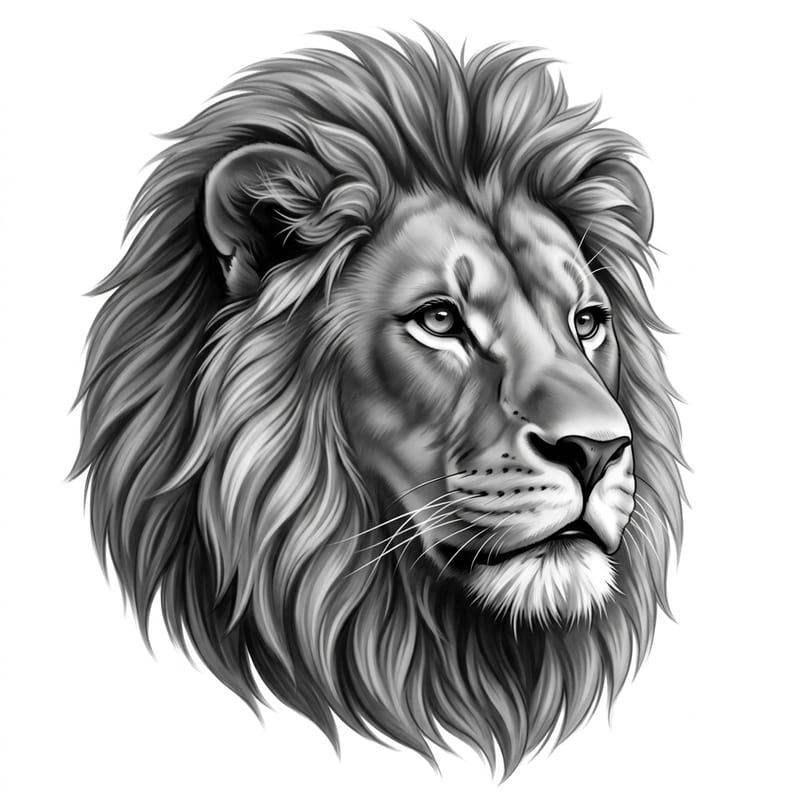
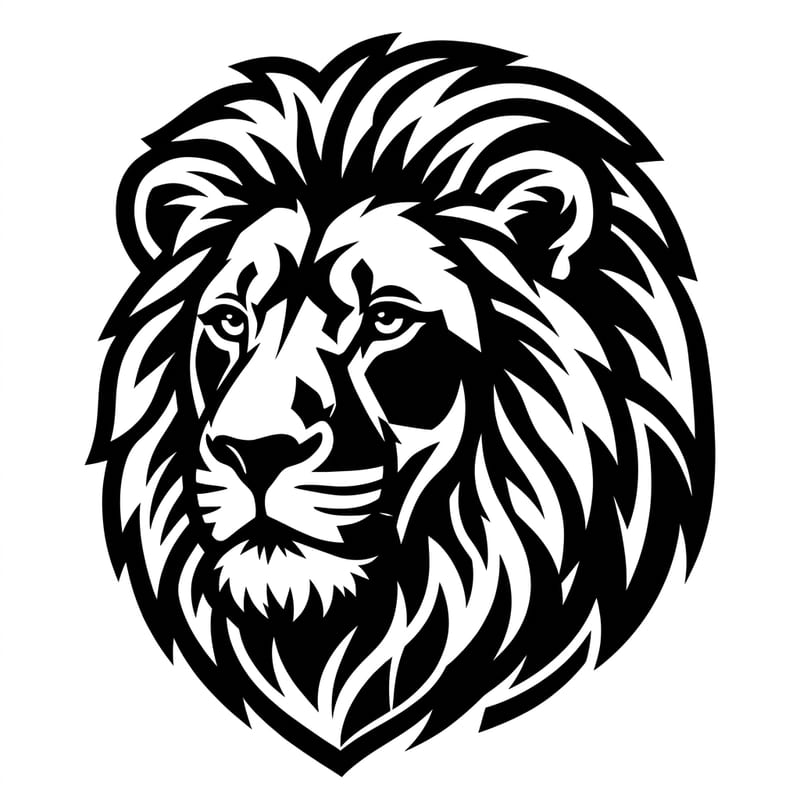
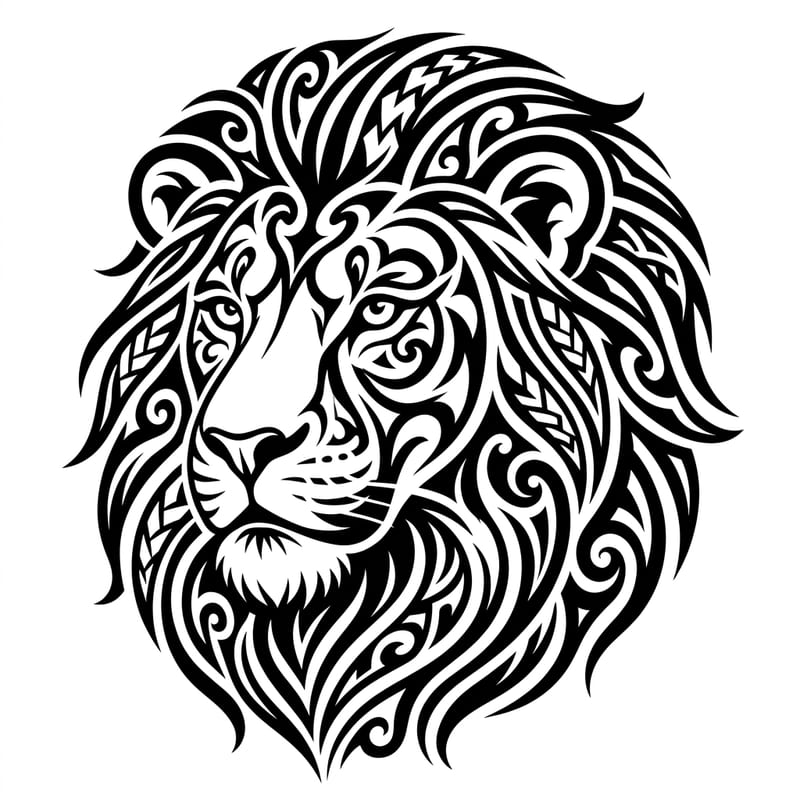
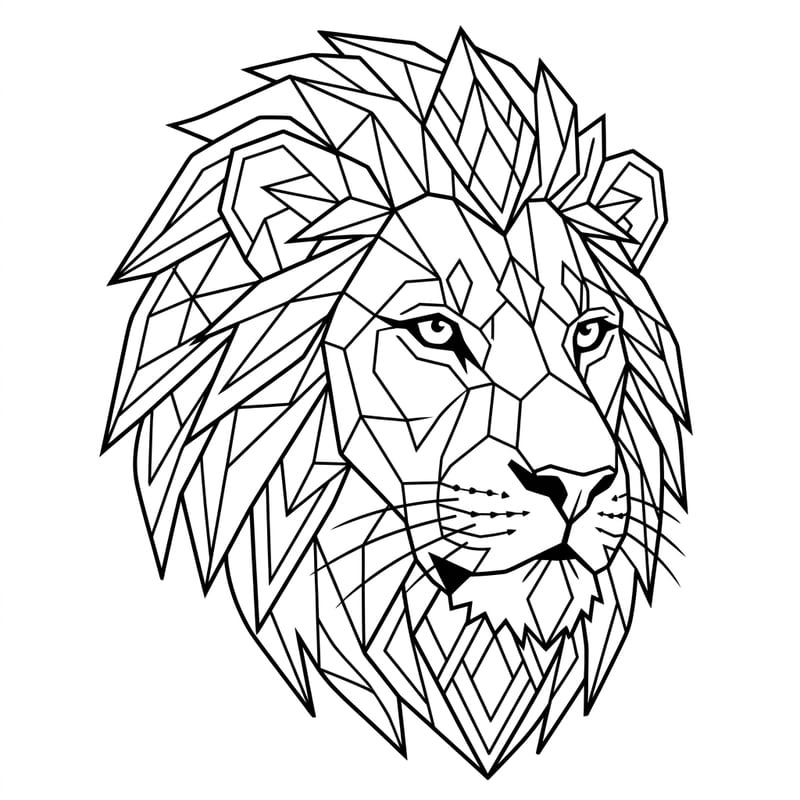
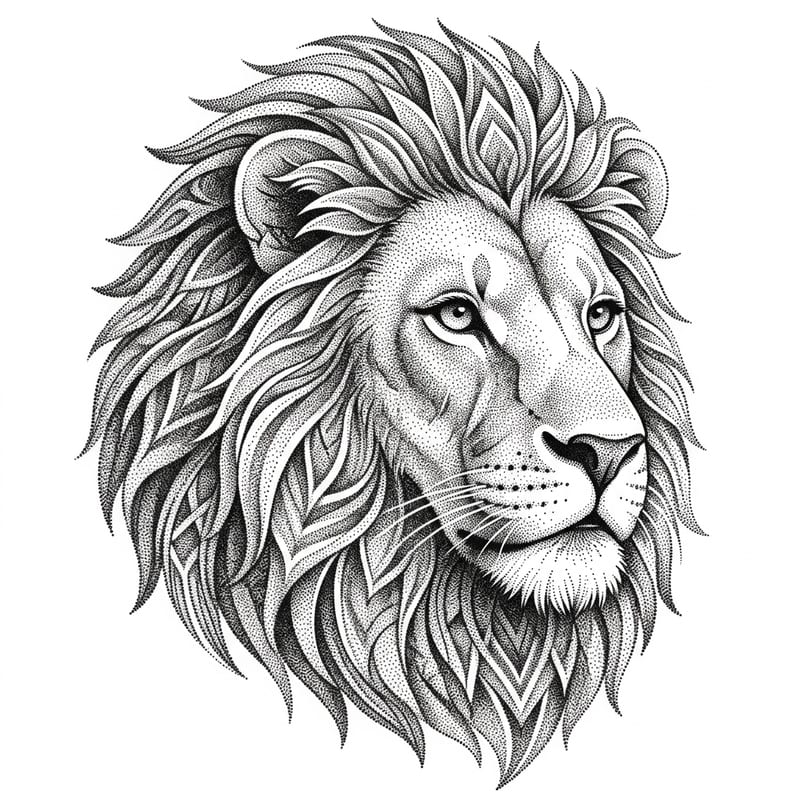
How many tattoo styles are there?
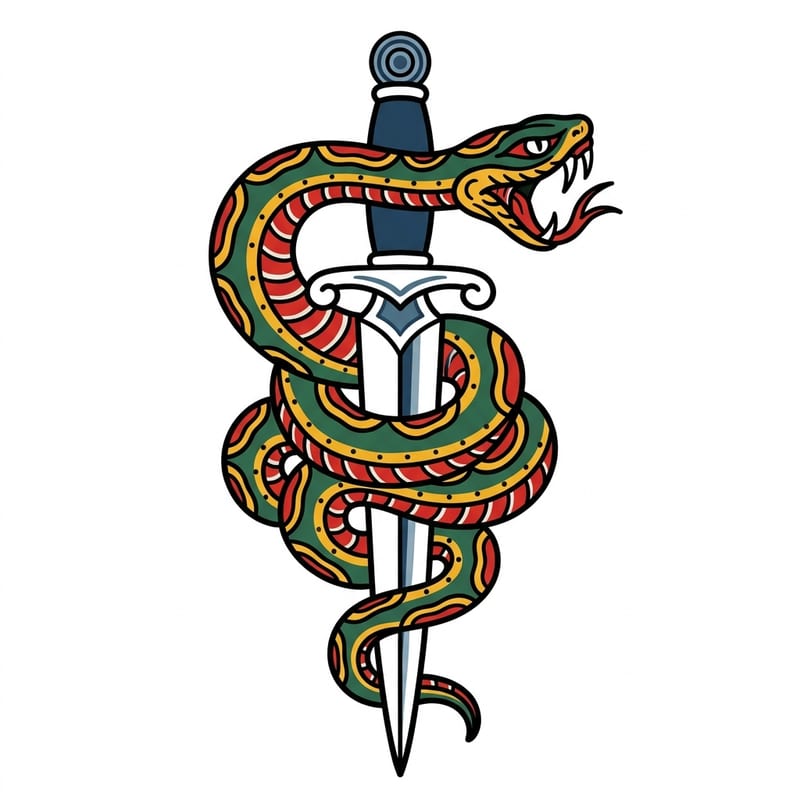
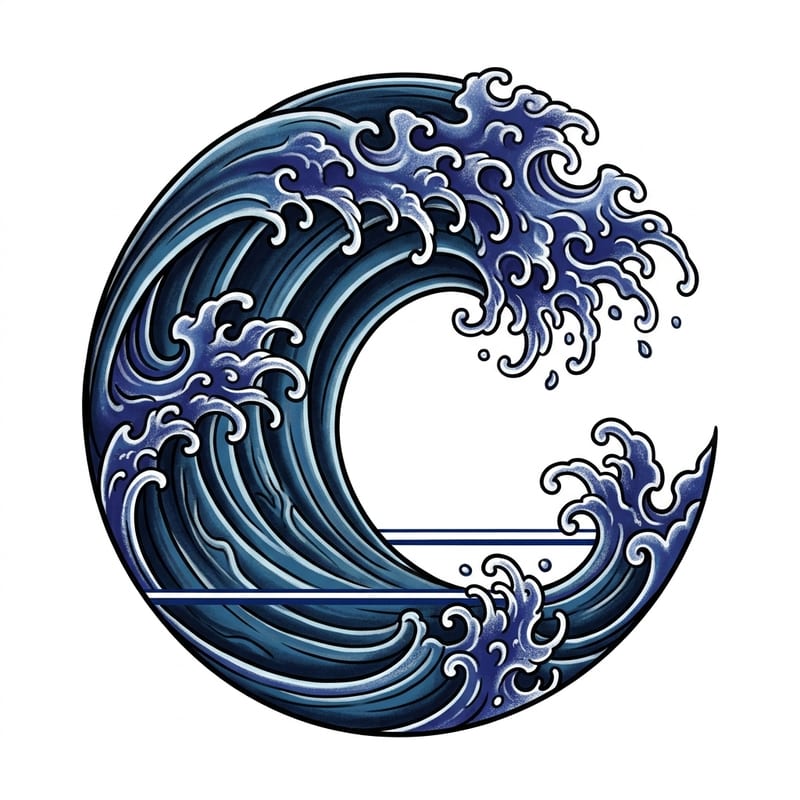
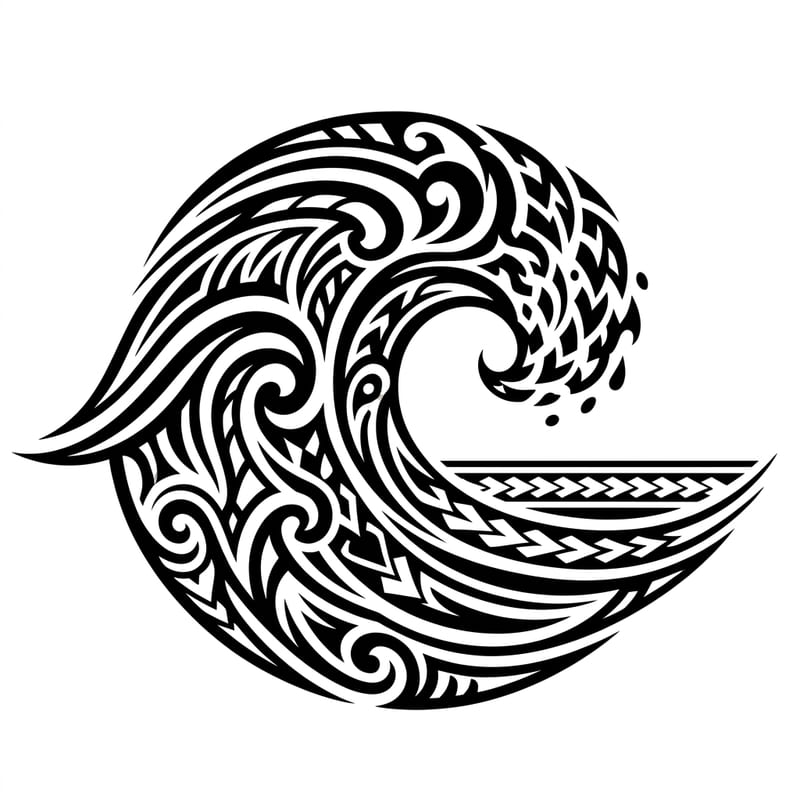
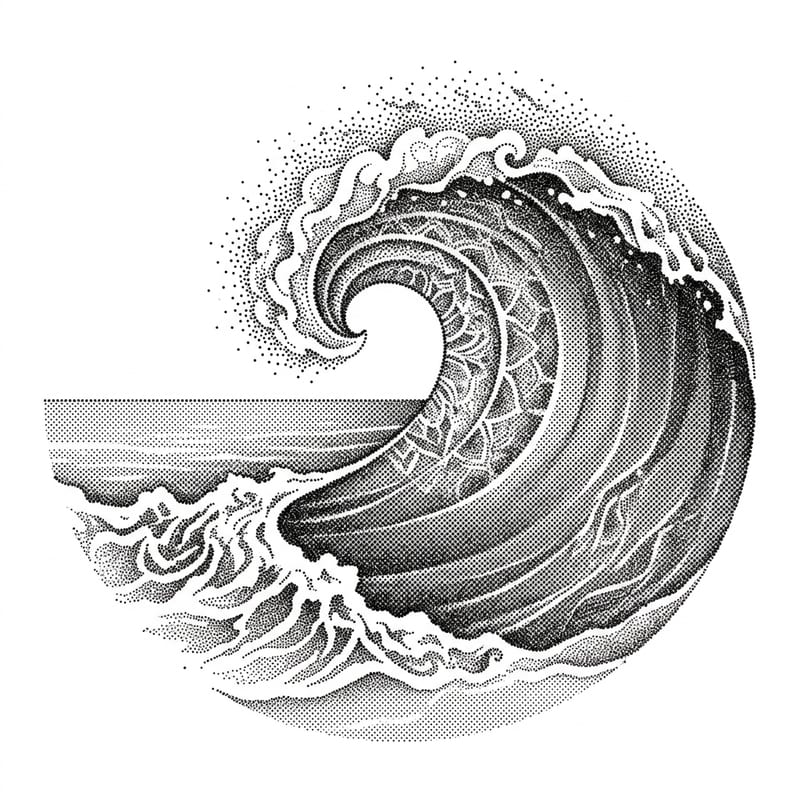
There is no official list, and guides count them differently because styles split and merge. This chart covers the 12 styles we have full pages for, and names 16 more that people search for (fine line, new school, trash polka, chicano and others), each pointed to the nearest of those pages.
What are the main types of tattoo styles?
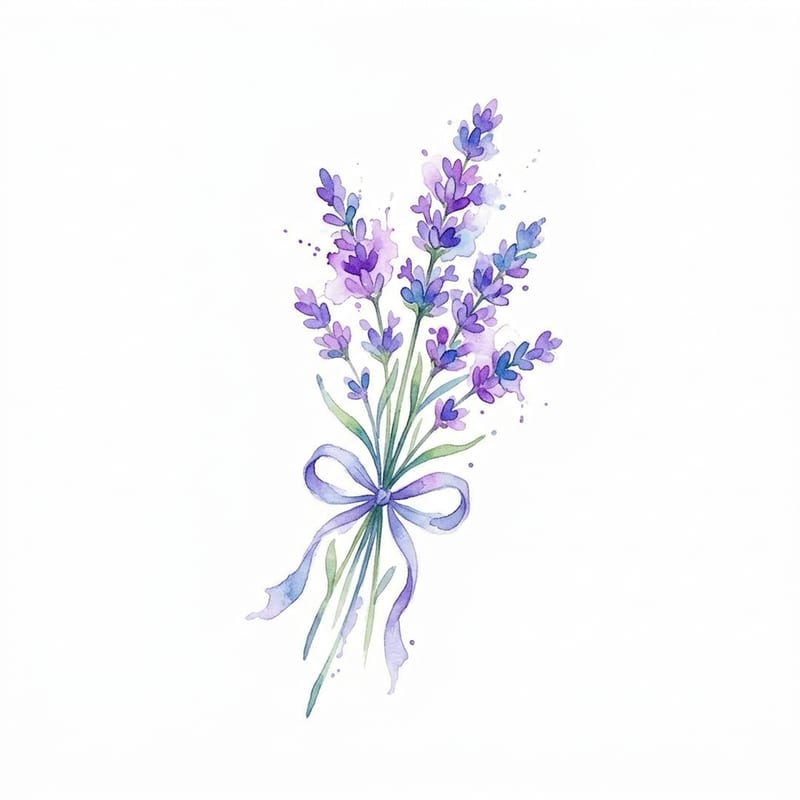
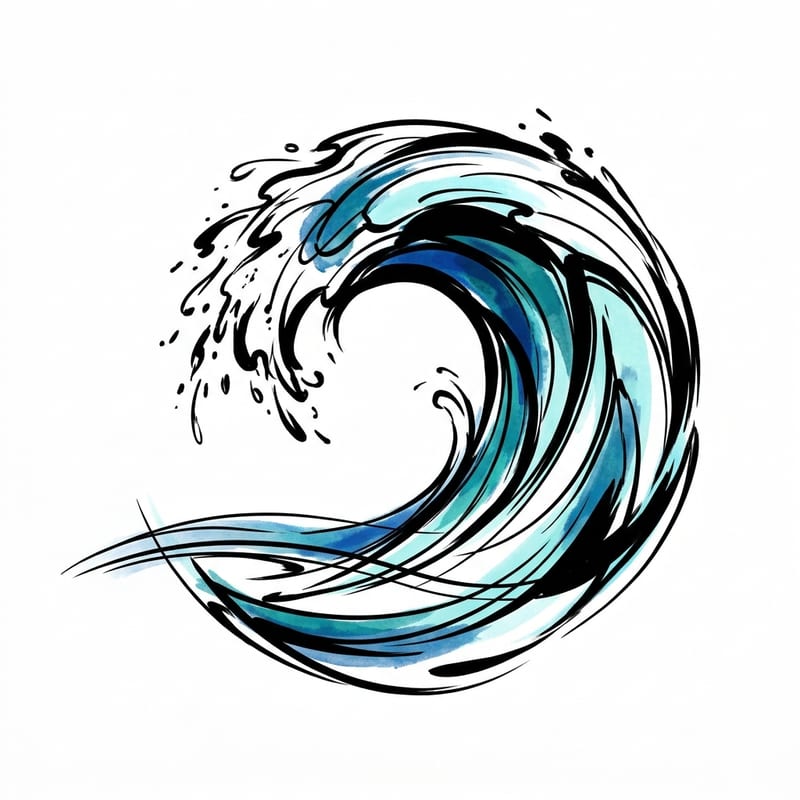
The 12 on this chart are traditional, neo-traditional, Japanese, realistic, blackwork, tribal, geometric, dotwork, linework, minimalist, watercolor and abstract. They differ in three things: how heavy the line is (bold outline, fine line, or no line at all), the colour (full colour, black and grey, or black only), and how much of the image is shading.
Which tattoo styles age best?
Tattoo artists commonly rate bold, solid black work as the longest-lasting: traditional, neo-traditional, Japanese, blackwork and tribal hold their lines for decades, with 30 years or more quoted for traditional, tribal and blackwork. Realism and dotwork soften over 10 to 20 years. Fine line (minimalist) and watercolor change soonest, with blur or fading within 5 to 10 years. These are artists' rules of thumb rather than measured results. Size, placement and sun matter as much as style: some tattoo pigment travels out of the skin to the lymph nodes, and some pigments break down in sunlight.
Do fine line tattoos age well?
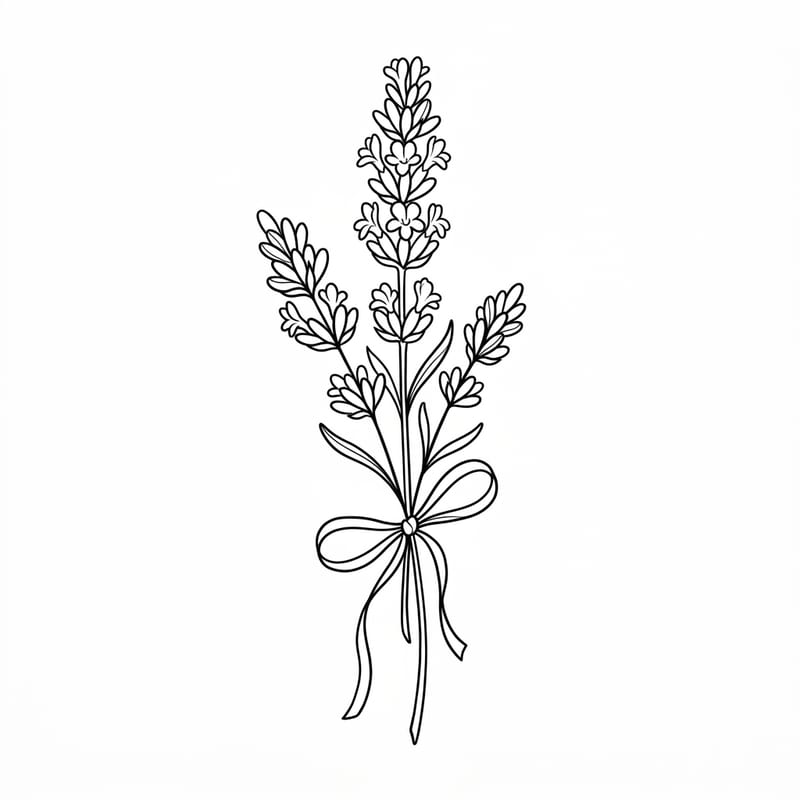
Not as well as bold work. Our minimalist and linework pages put noticeable blur at 5 to 10 years for single-needle lines, against 20 to 30 years for bold outlines, and sun exposure roughly halves that. To make a fine line tattoo last longer, keep it above 1.5 inches, avoid lines thinner than about 0.3 mm, keep it off hands, fingers and feet, and use sunscreen on it.
Which tattoo style hurts the least?
Placement decides pain far more than style: the outer forearm and upper arm score 3 out of 10 on our pain chart, the ribs and spine 9, whatever the style. Within a placement, quick styles hurt least: minimalist and linework are short sessions. Solid black fill (blackwork, tribal) hurts more over a session because the needle stays longer in one place, and realism and Japanese are sat for many hours.
Which tattoo style is the cheapest?
In the cost calculator, minimalist work takes the least time per inch (about 10% less than traditional) and realistic work the most (about 45% more). For a 4 to 6 in piece in black and grey with an established artist in a mid-size US city, that is $325 to $485 for minimalist against $520 to $785 for realistic. Size and placement move the price more than style does, and shops charge a minimum however small the design.
What is the difference between traditional and neo-traditional tattoos?
They share bold black outlines. Traditional keeps to red, green, yellow and black, simple images and little shading. Neo-traditional adds a wider palette (teal, purple, peach, gradients), more shading and ornate subjects such as detailed animals and art nouveau florals. Both age well; the outlines hold the design as the colour fades.
What is the difference between blackwork and black and grey?
Black and grey dilutes black ink into grey tones and builds the image with shading, so a portrait looks like a photograph. Blackwork uses only undiluted black, building the design from solid fills, pattern and bare skin, so it looks like a woodcut or a stencil.
Are some tattoo styles for men and others for women?
No. Every style on this chart suits anyone. What differs is where people tend to put tattoos and how big they go, and those choices narrow the style: a 1-inch wrist piece suits minimalist or linework, a full sleeve suits Japanese, traditional, blackwork or realism, whoever is wearing it.
What are the best styles for a sleeve tattoo?
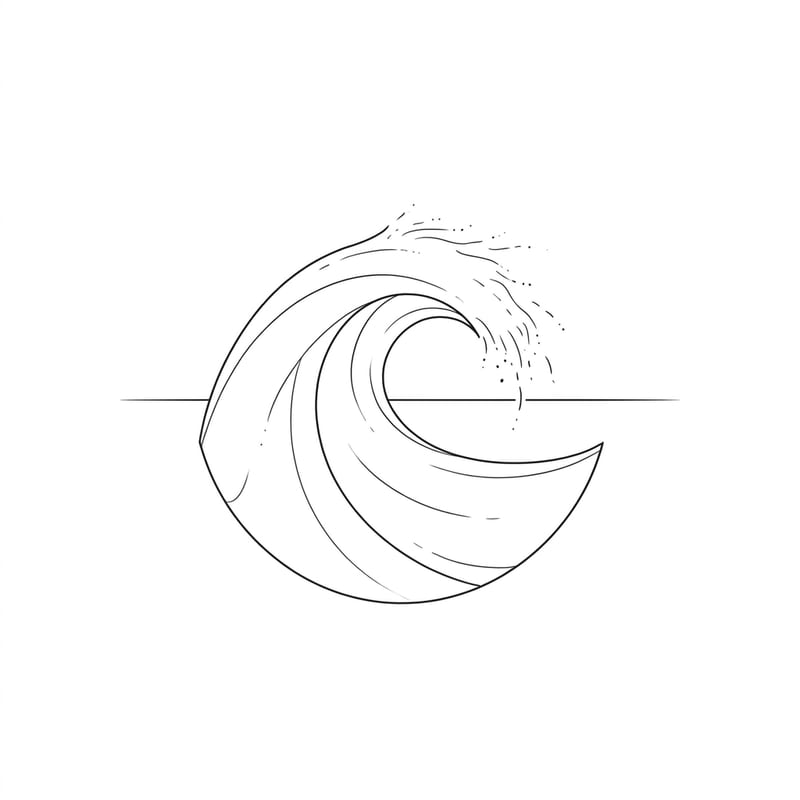
Japanese, traditional, blackwork and realism carry sleeves best. Japanese is designed for them, with waves, clouds and wind bars joining the motifs; a traditional sleeve is usually separate pieces joined by filler such as clouds, stars and swallows; realism and blackout sleeves are the longest to sit, at 40 to 60 and 30 to 60 hours.