Popular Abstract Designs
How to recognise an abstract tattoo
The subject is optional
Some abstract tattoos show nothing recognisable; others keep a subject but break it into shapes and strokes, as these plates do.
Visible mark-making
Brushstrokes, gestures, splatter and drips stay visible, so the tattoo looks painted rather than drawn and filled.
Filled shapes against bare skin
The composition depends on the balance between inked areas and empty skin; the gaps carry as much of the design as the ink.
The artist's own language
Abstract depends on the artist more than any other style. Two abstract artists given the same brief will produce two unrelated tattoos.
Four subjects drawn in abstract
Every style page shows the same four subjects (a wave, a lion, a snake and dagger, a sprig of lavender), drawn in this studio with the model and rules the Commission Book uses. Here is what abstract did to each.
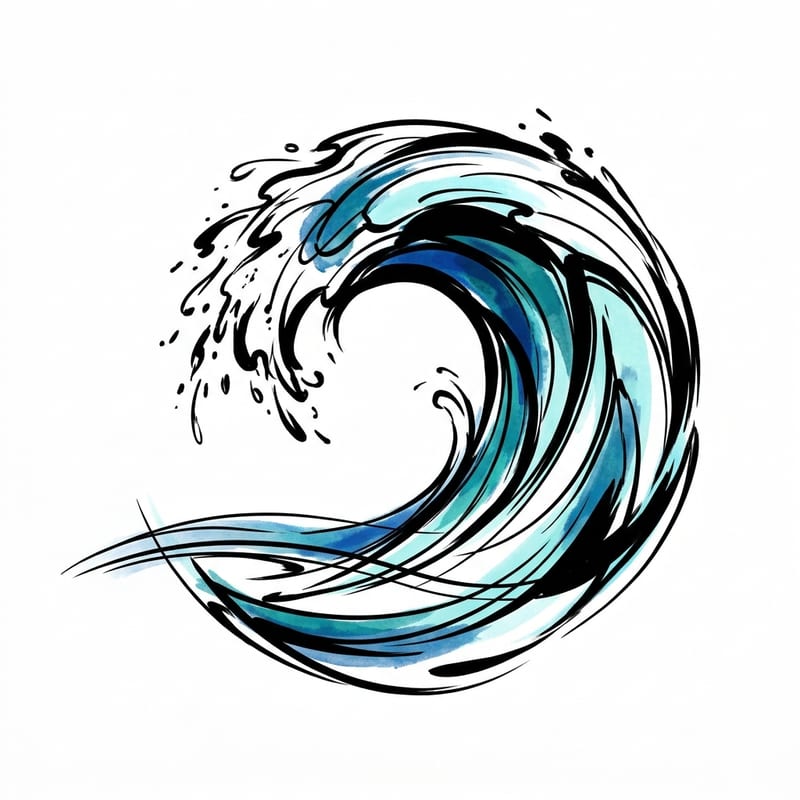
Wave
The wave is reduced to a few curved black brushstrokes with blue laid inside them, and ink spatter where the crest would be.
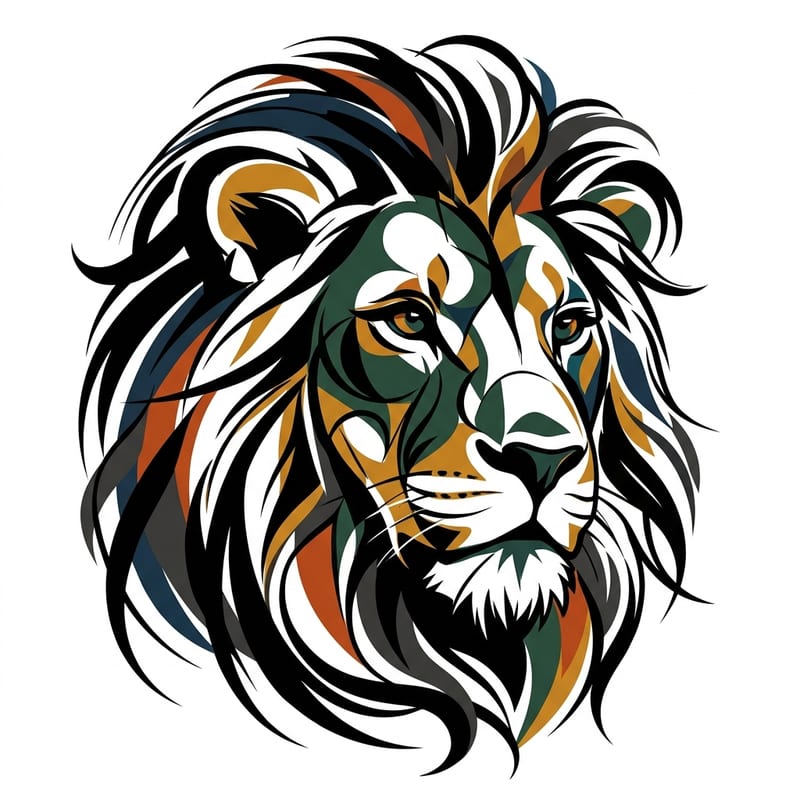
Lion
The face is cut into flat planes of black, ochre, rust and dark green; the shapes do the work that shading does in realism. The mane becomes black flame-like strokes.
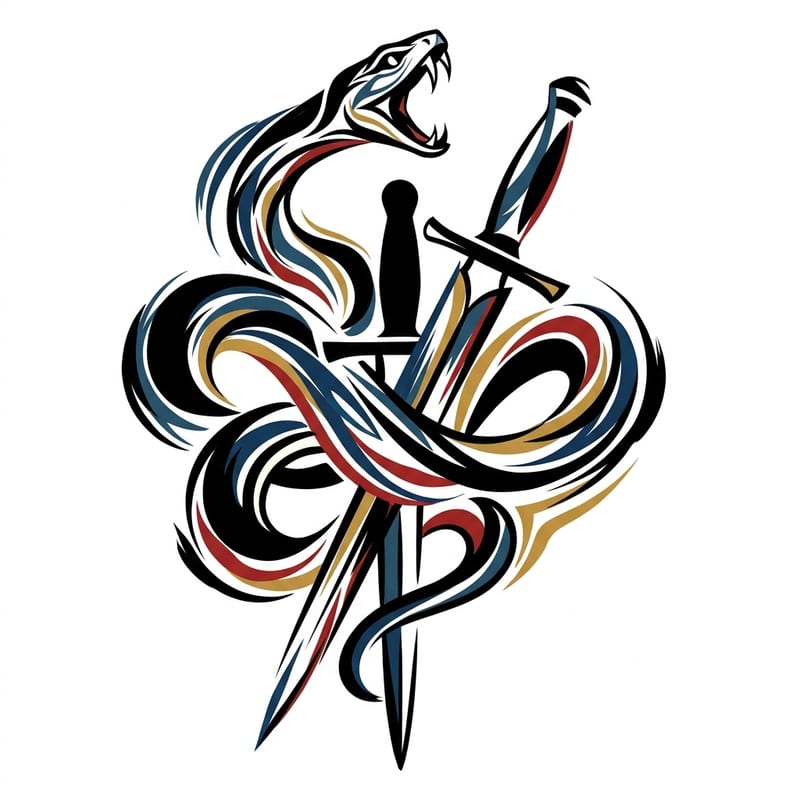
Snake and dagger
Snake and dagger dissolve into looping ribbons of black, navy, rust and gold. The subject is still there, but the strokes matter more than the anatomy.
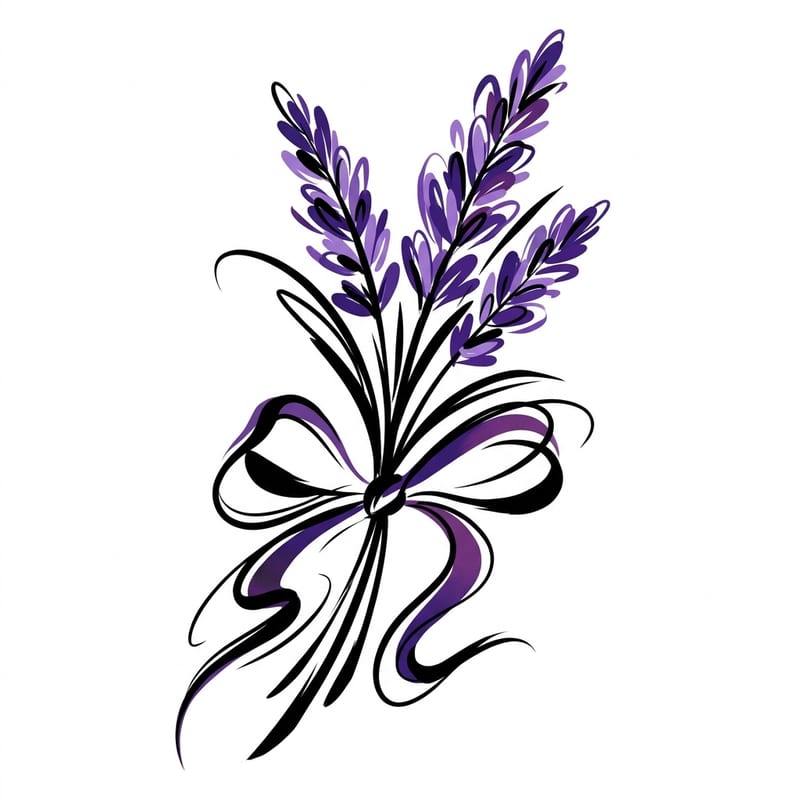
Lavender
Each lavender head is a single purple brush mark, and the ribbon becomes the main subject: long black loops drawn like calligraphy.
The History of Abstract Tattoos
Abstract tattooing draws directly from 20th-century fine art — Kandinsky, Miró, Klee, Pollock, Rothko, and the broader movements of expressionism, surrealism, and abstract expressionism. As a tattoo style, it developed in the 2000s through artists such as Amanda Wachob and Volker Merschky of Buena Vista Tattoo Club, who pushed against the assumption that tattoos must depict recognisable subjects. Abstract tattoos prioritise form, colour relationships, mark-making, and emotional resonance over literal representation. The style overlaps with — and often combines with — watercolour, brushstroke, and "trash polka" tattooing. Because abstract work doesn't rely on familiar imagery, it puts heavy weight on the artist's personal vision; abstract tattoos are some of the most artist-specific work in the medium, and the same client visiting two abstract specialists will get two completely different pieces.
What abstract suits
- A second or third tattoo, once you know how your skin takes ink and how much you trust an artist.
- Medium to large pieces on the upper arm, thigh, ribs or back, where the shapes can follow the body.
- People who want an artist to interpret a feeling, not copy a reference.
- Black and grey work, which ages better than colour abstract.
Think twice about
- A first tattoo, or anyone who wants the design fixed in a stencil before the session starts. Abstract is often built up in passes.
- Pieces under 3 inches, which read as accidental marks.
- Brushstroke colour work on sun-exposed skin; it fades like watercolour.
- Choosing an artist who does "a bit of everything". Look for a portfolio where every piece is recognisably theirs.
Abstract Tattoo Symbolism & Meanings
Every motif carries meaning. Here's what the most common abstract tattoo elements represent.
Brushstroke
Spontaneity, movement, and the gesture of creation. Often used to represent moments of transformation or release.
Colour field
Mood, emotion, and atmosphere without specific narrative — the wearer projects their own meaning onto the colours.
Geometric abstraction
Order within chaos, the search for underlying structure. Shapes without representational reference.
Splash / drip
Energy, intensity, and the breaking of constraints. A direct visual translation of expressionist painting.
Linear gesture
Movement frozen in time. Abstract line gestures often represent personal journeys or moments of clarity.
Symbolic shape
Personal meaning known only to the wearer — circles, triangles, or invented forms that mean something to them.
Mixed-media composition
Complexity, emotional depth, and the layering of experiences. Often combines abstract forms with hints of recognisable imagery.
Negative-space abstraction
What's not shown is as important as what is. The empty areas carry equal weight to the inked ones.
Where to Place an Abstract Tattoo
Abstract tattoos work best at medium-to-large sizes (5+ inches) where the composition can breathe. The upper arm, thigh, ribcage, and back are ideal — placements where the abstract form can be experienced as a complete piece without fighting body contours. The style ages variably depending on what techniques the artist used: brushstroke abstract ages like watercolour (faster fade); geometric abstract ages well; mixed colour-and-line abstract sits in between. Avoid very small abstract pieces — below 3 inches, abstract designs often read as accidental shapes rather than intentional art.
Size and ageing
Plan on 5 inches and up. A simple gesture takes 1 to 2 hours; a complex mixed piece 8 to 15 hours over several sessions.
Ageing depends on technique: brushstroke colour ages like watercolour, geometric abstraction ages well, and black and grey outlasts colour.
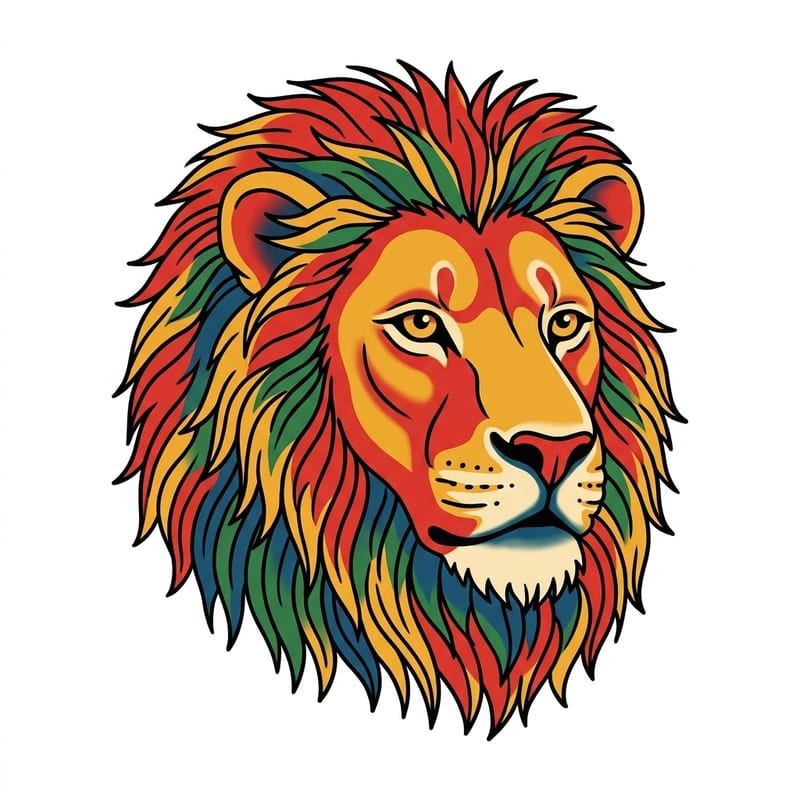
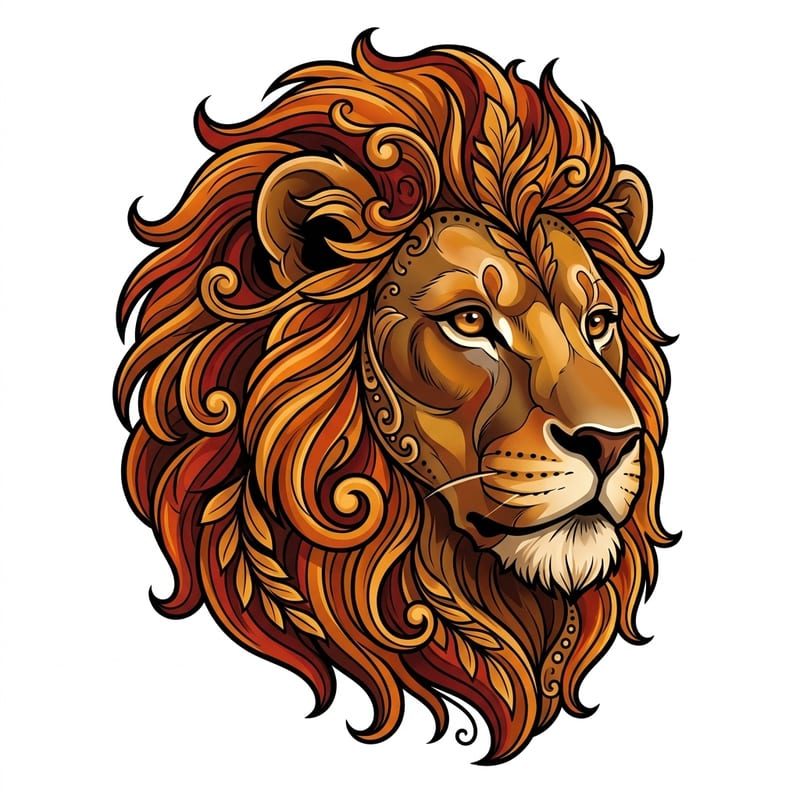
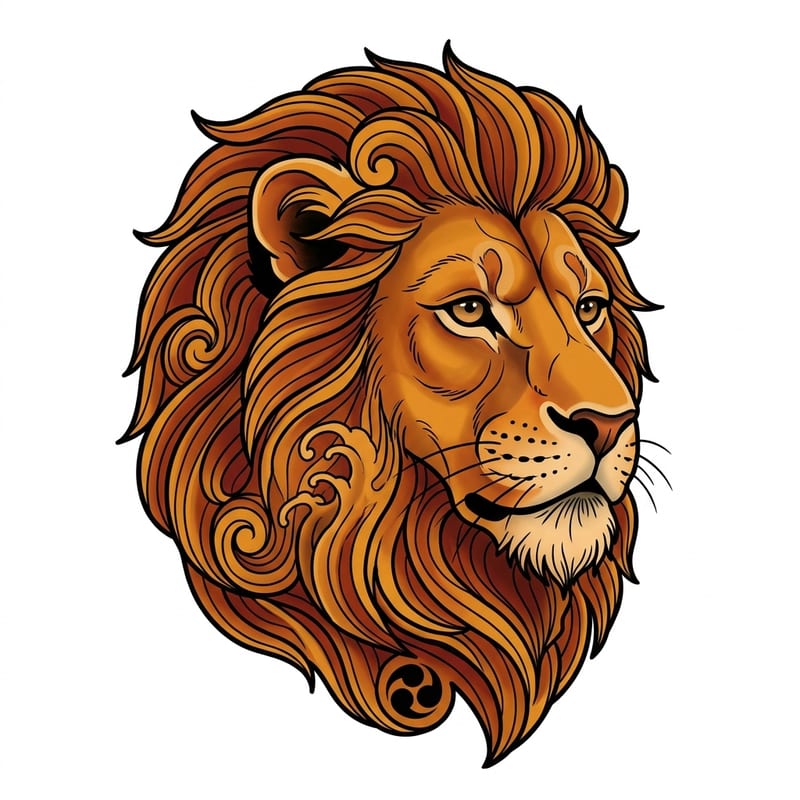
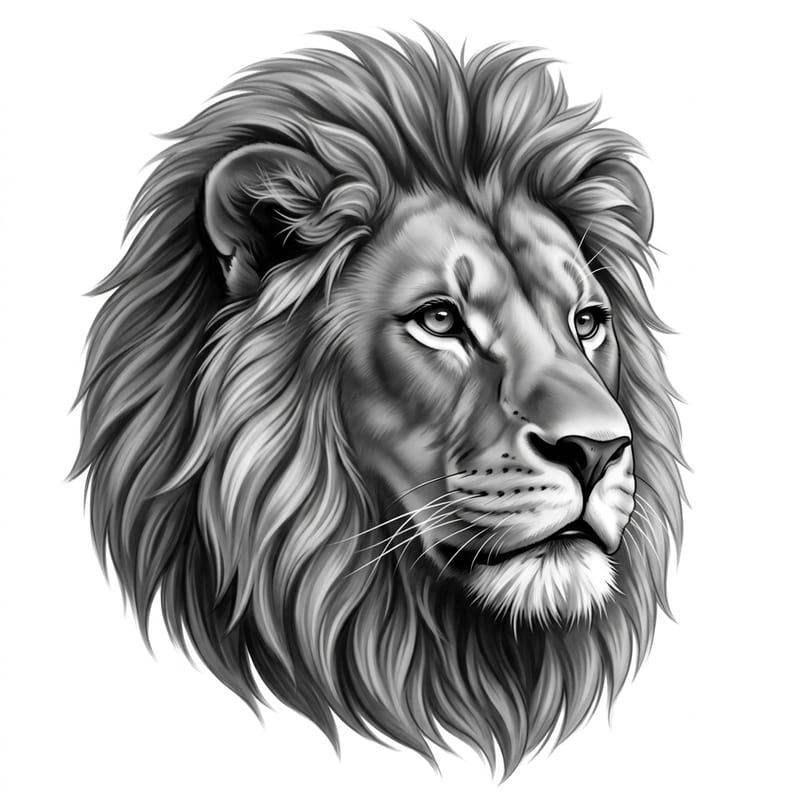
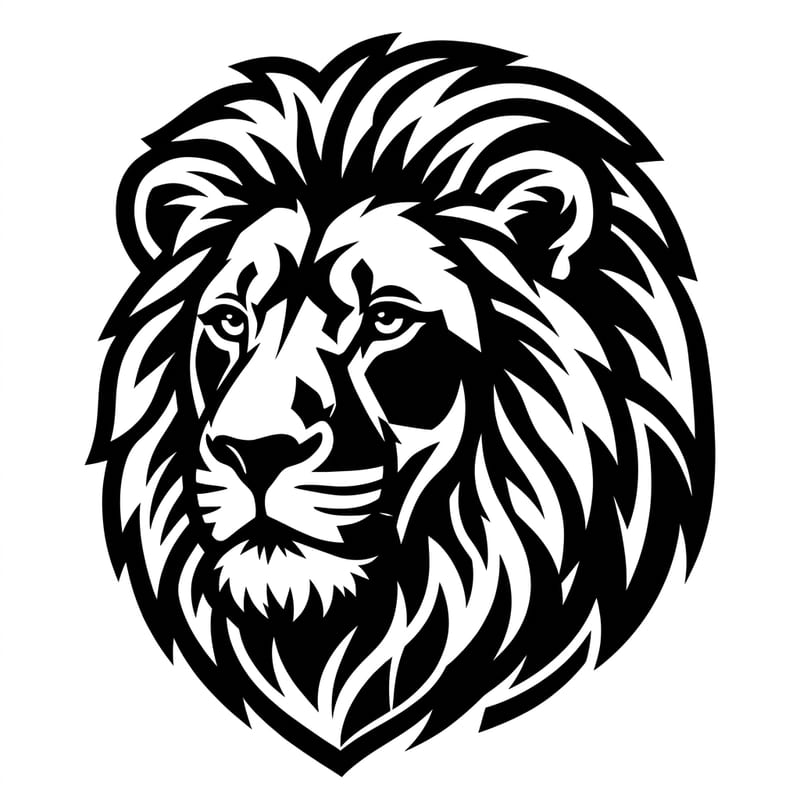
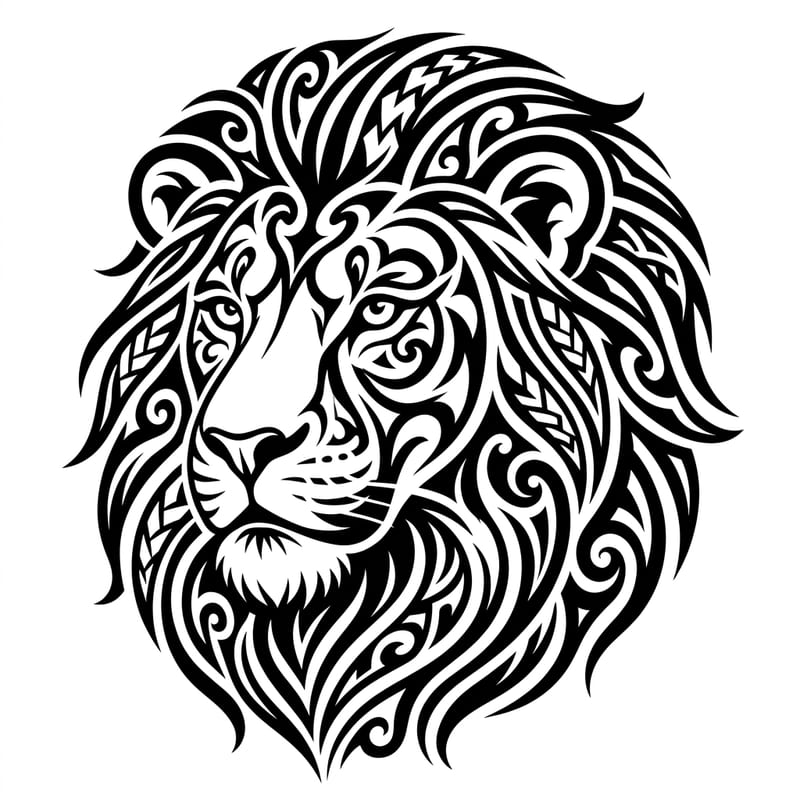
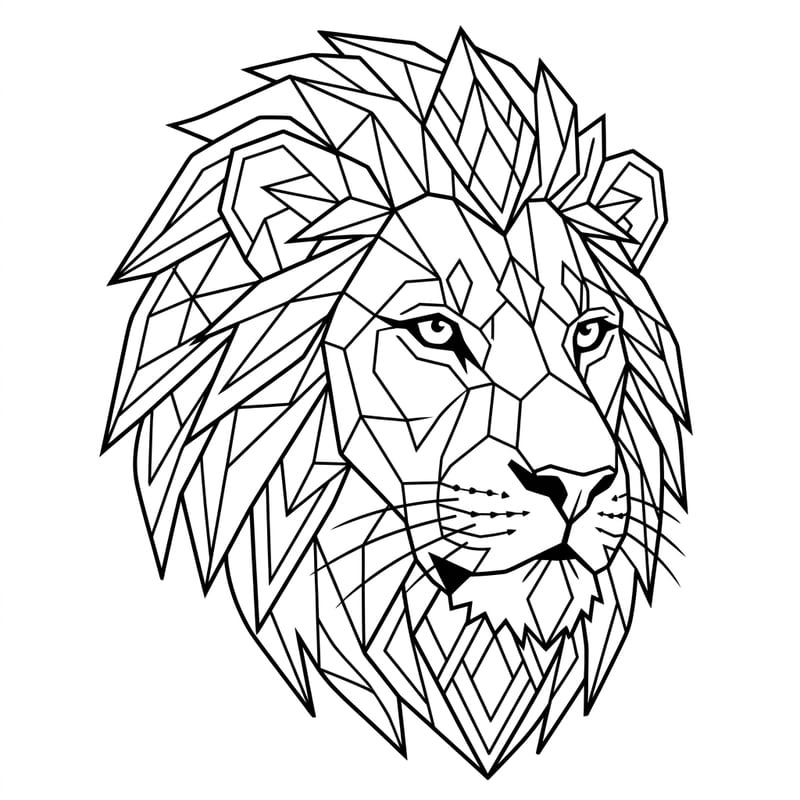
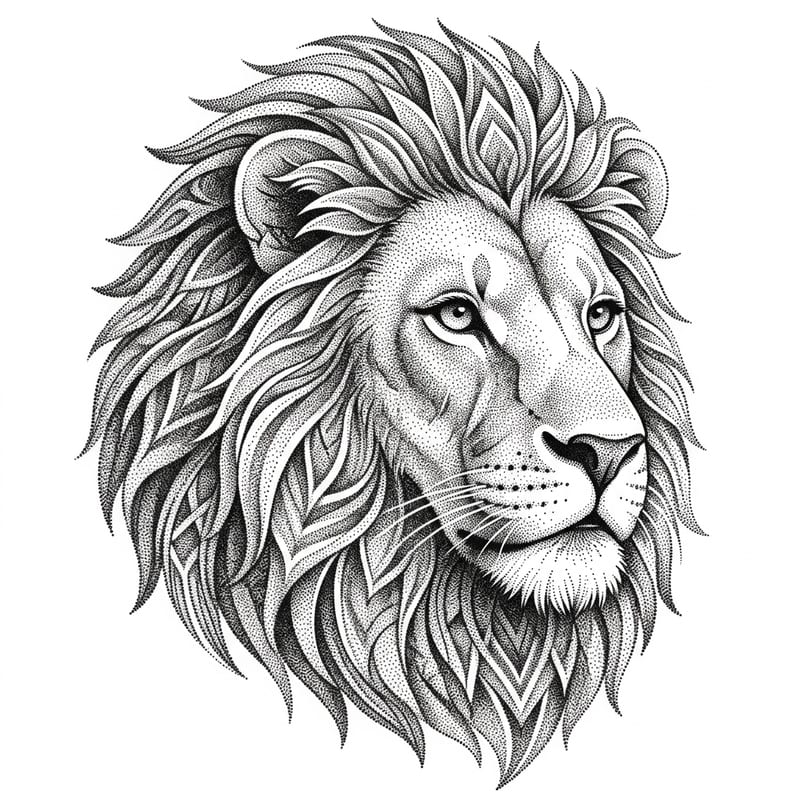
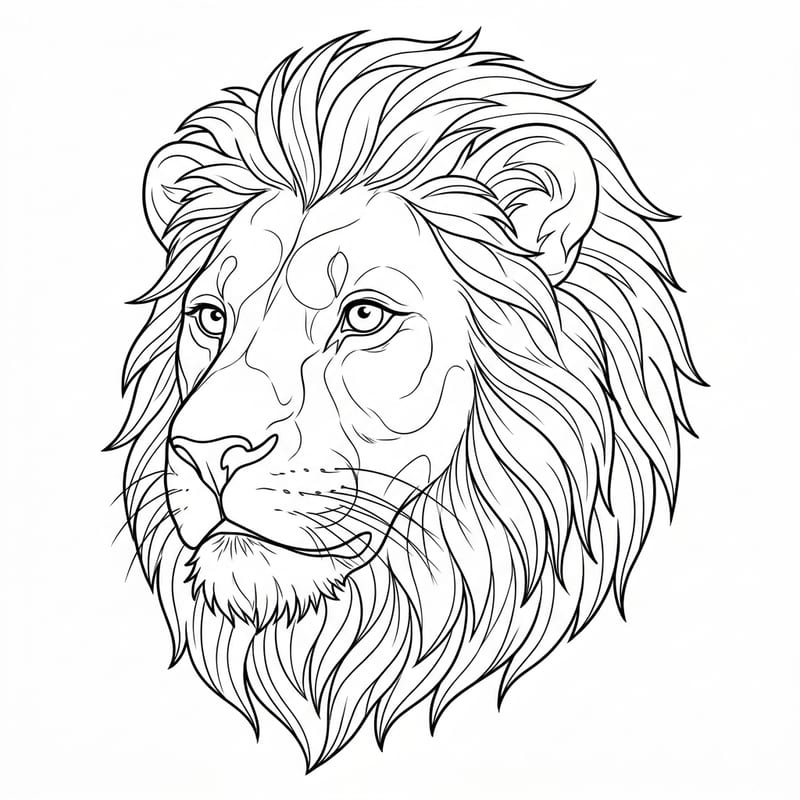
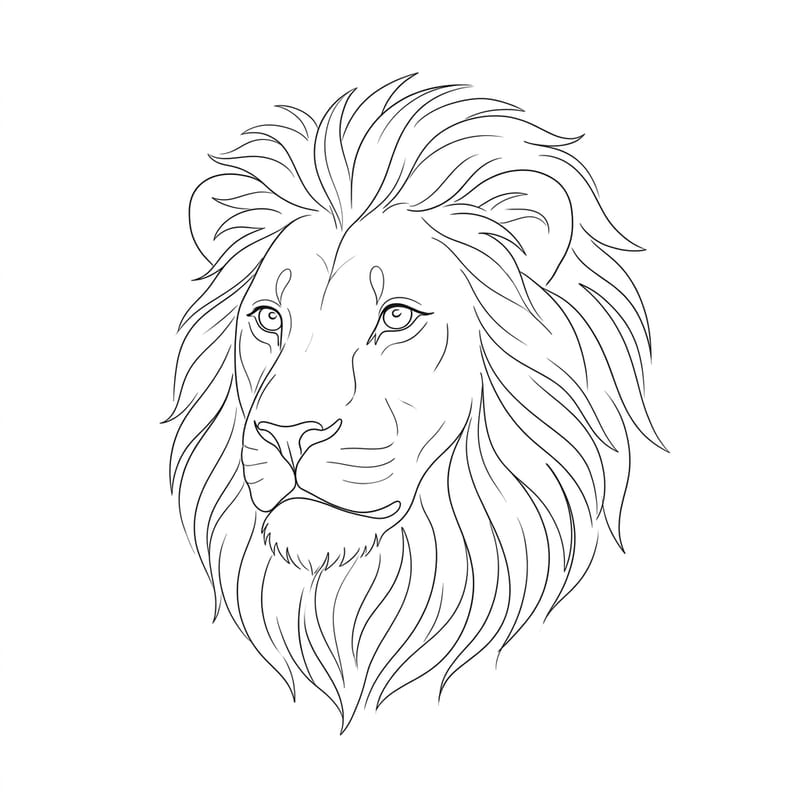
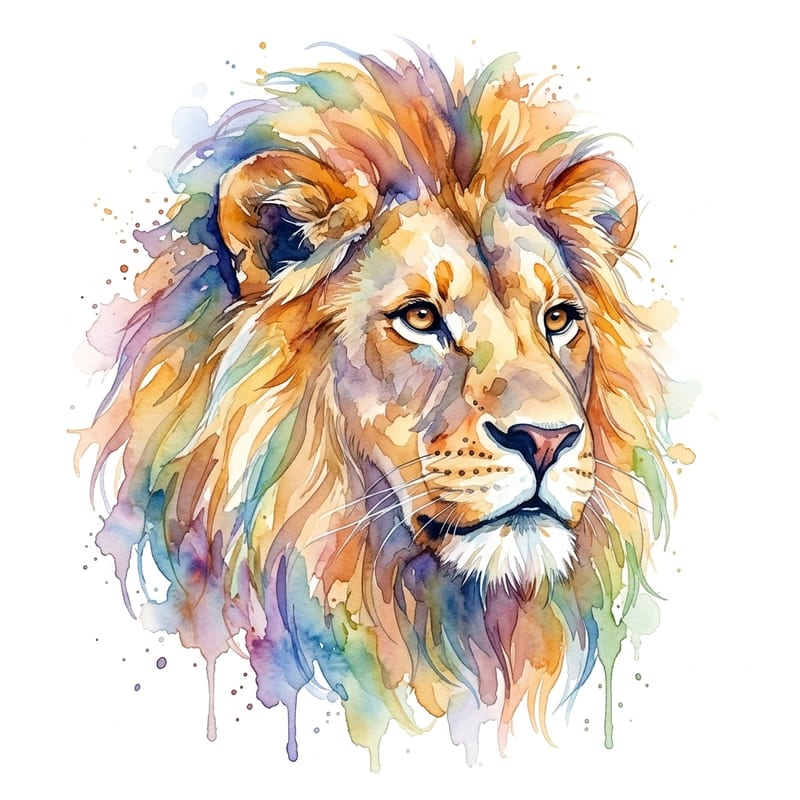
The same lion in all 12 styles
One subject, drawn once in each style, so you can see what abstract changes and what it shares with its neighbours. The tattoo styles chart compares all 12 on ageing, size, pain and price.
Abstract Tattoo FAQ
How do I know if an abstract tattoo will look good as art and not random?
It comes down to artist selection. Strong abstract tattoo artists have distinct visual languages — you can recognise their work in their portfolio. Weaker artists produce abstract pieces that genuinely do look random. Look for artists whose entire portfolio is consistent and intentional; if they do "a bit of everything," their abstract work will likely lack the depth needed to make the style work.
Will my abstract tattoo still mean something in 20 years?
Probably more than a literal tattoo would. Because abstract designs don't pin down a specific narrative, they accumulate meaning over time — the wearer projects new interpretations onto the form as their life changes. Many abstract collectors find the style ages with them in a way representational tattoos don't.
Can abstract tattoos be done in black-and-grey?
Absolutely — black-and-grey abstract work is a recognised sub-style and ages better than colour abstract. The visual focus shifts from colour relationships to form, line weight, and texture. Often associated with "trash polka" (the German abstract style developed by Buena Vista Tattoo Club) which combines black-and-grey with red accents.
How long does an abstract tattoo take?
Highly variable — depends entirely on the artist's technique. A simple abstract gesture might take 1–2 hours; a complex mixed-media composition can take 8–15 hours and span multiple sessions. The work is often built up in passes (laying base shapes, then refining, then accenting), which means you may not see the final composition until late in the process.
Should I bring reference images for an abstract tattoo?
Bring reference, but expect the artist to use it as a starting point rather than a target. Abstract artists generally don't do "copy this exactly" work — the value of the style is in their personal interpretation. Bring images that capture the *mood* and *feeling* you want; let the artist propose a composition that works in their visual vocabulary.
Is abstract a good choice for a first tattoo?
Generally no. Abstract requires high trust in the artist's vision and high comfort with seeing the final composition emerge through the process. First-time tattoo clients usually benefit from styles where the design is locked in stencil form before the needle touches skin (traditional, neo-traditional, fine line). Save abstract for your second or third tattoo, when you understand how the medium works.
Where abstract works
Forearm Tattoos for Women
Fine line and botanical forearm designs
Tattoo Designs for Women
Fine line, florals, placements and sizing
Meaningful Tattoo Ideas
Symbols, dates and tributes that carry a story
Custom Tattoo Design
How a one-off design is commissioned
Watercolor Tattoos
Paint-like color without outlines
Geometric Tattoos
Shapes, symmetry and sacred geometry
Tattoo Ideas
Every style, subject and placement in one place
Tattoo Styles Chart
All 12 styles side by side: ageing, pain, cost, placement