Popular Tattoo Styles
Choose from 12+ unique styles or let AI surprise you
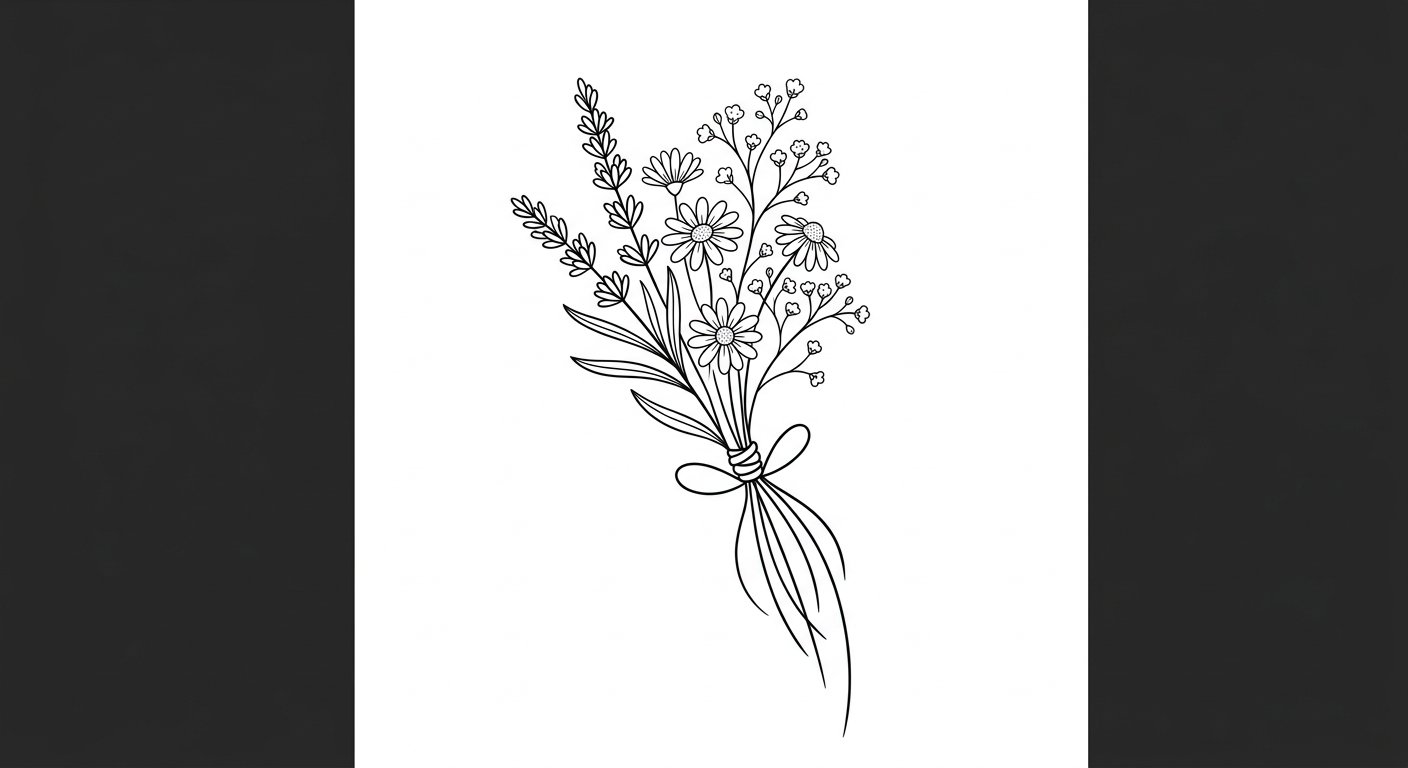
Minimalist
Clean and simple designs
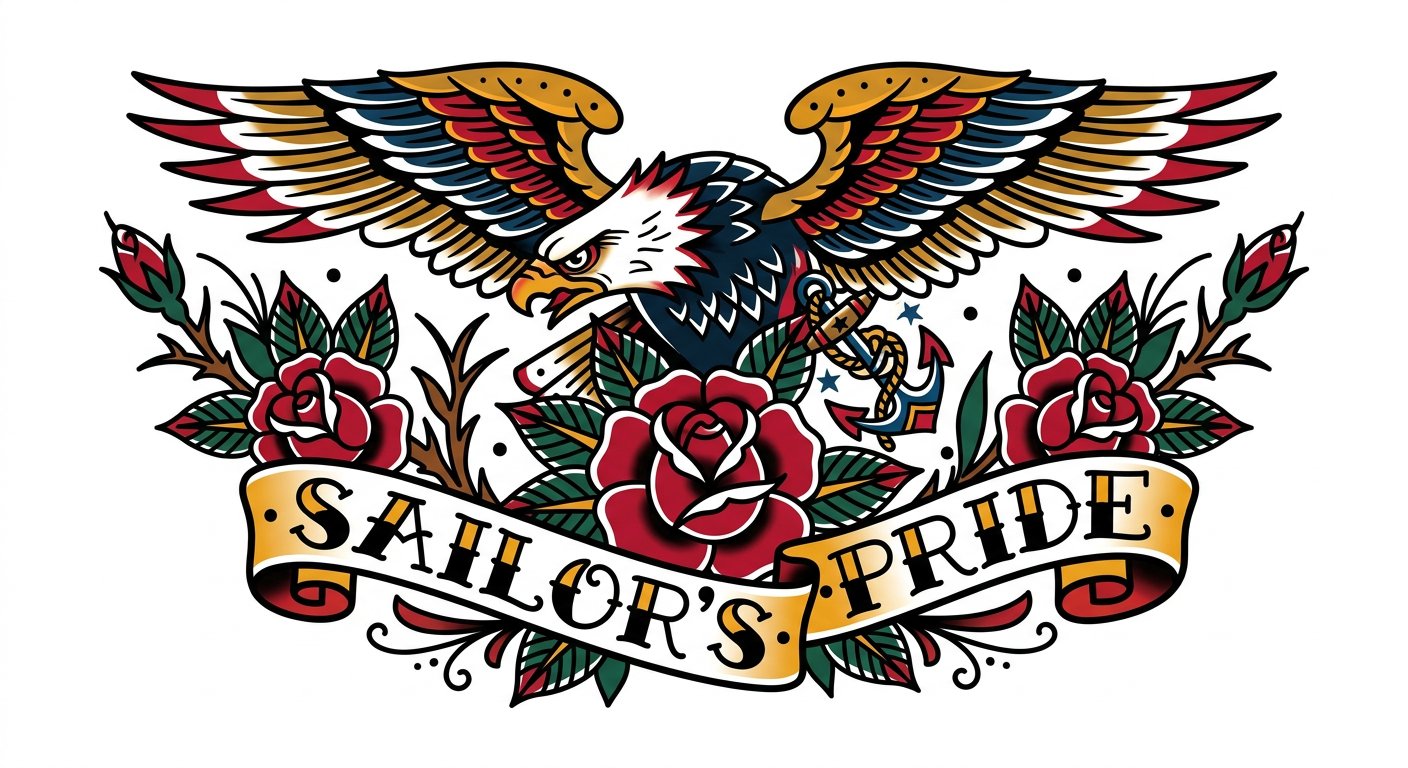
Traditional
Classic bold American style
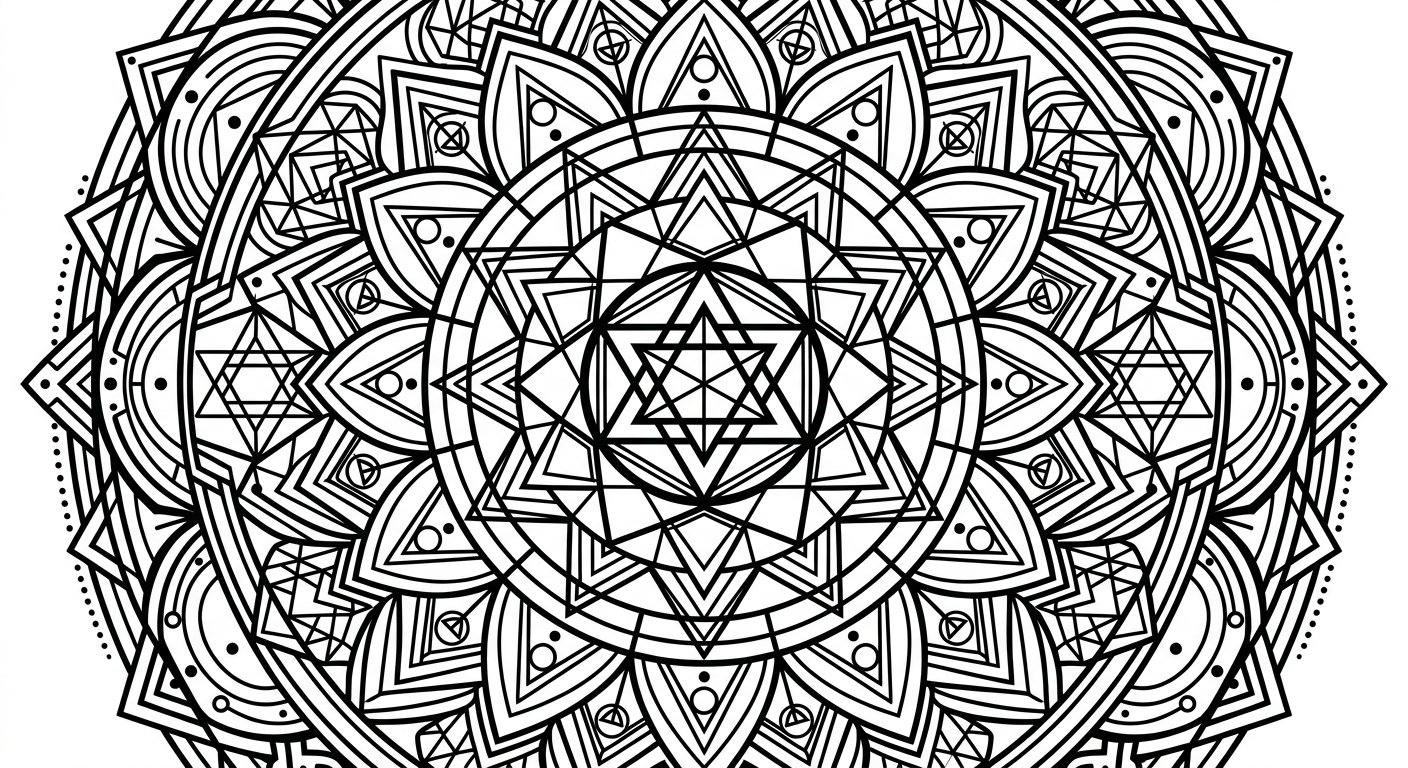
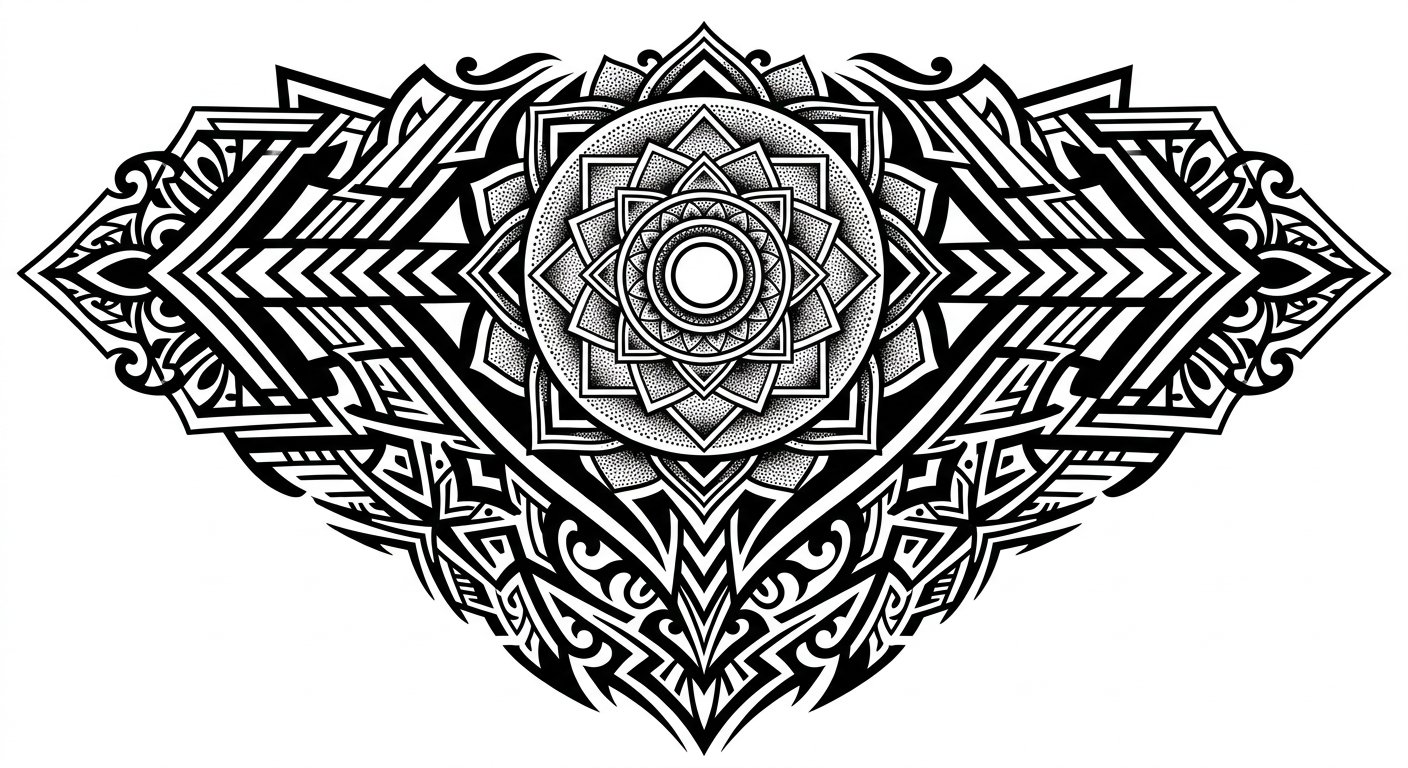
Geometric
Mathematical patterns and shapes
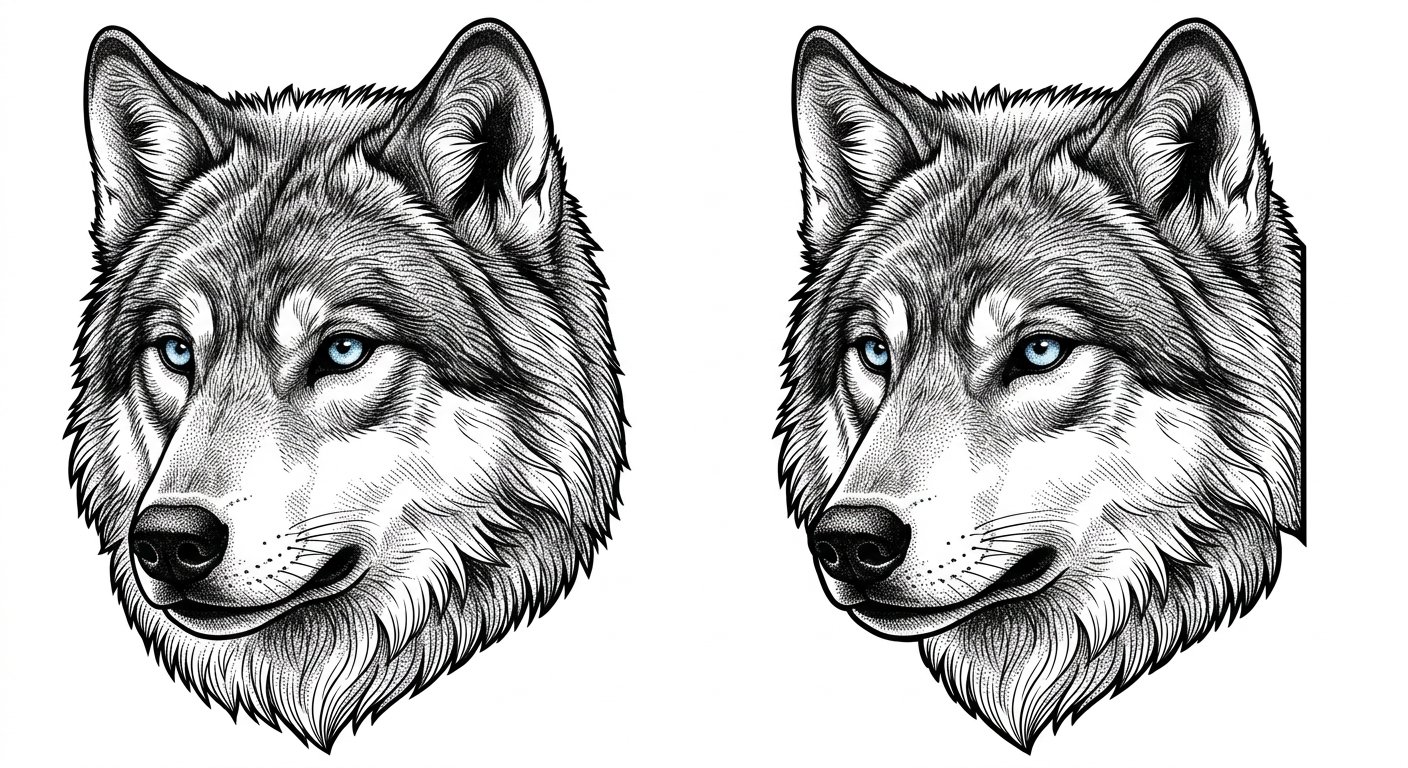
Realistic
Photo-realistic portraits
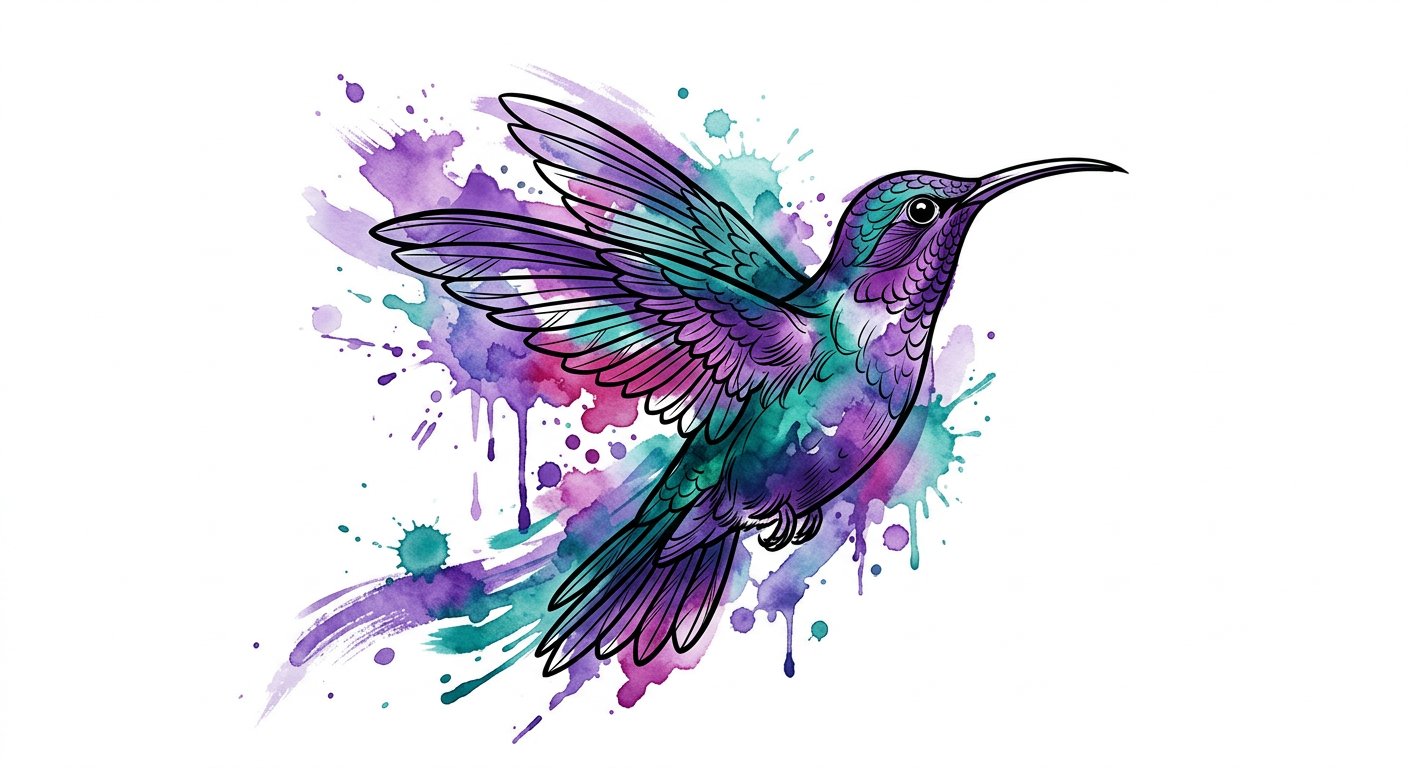
Watercolor
Vibrant paint-like effects
Blackwork
Bold solid black designs
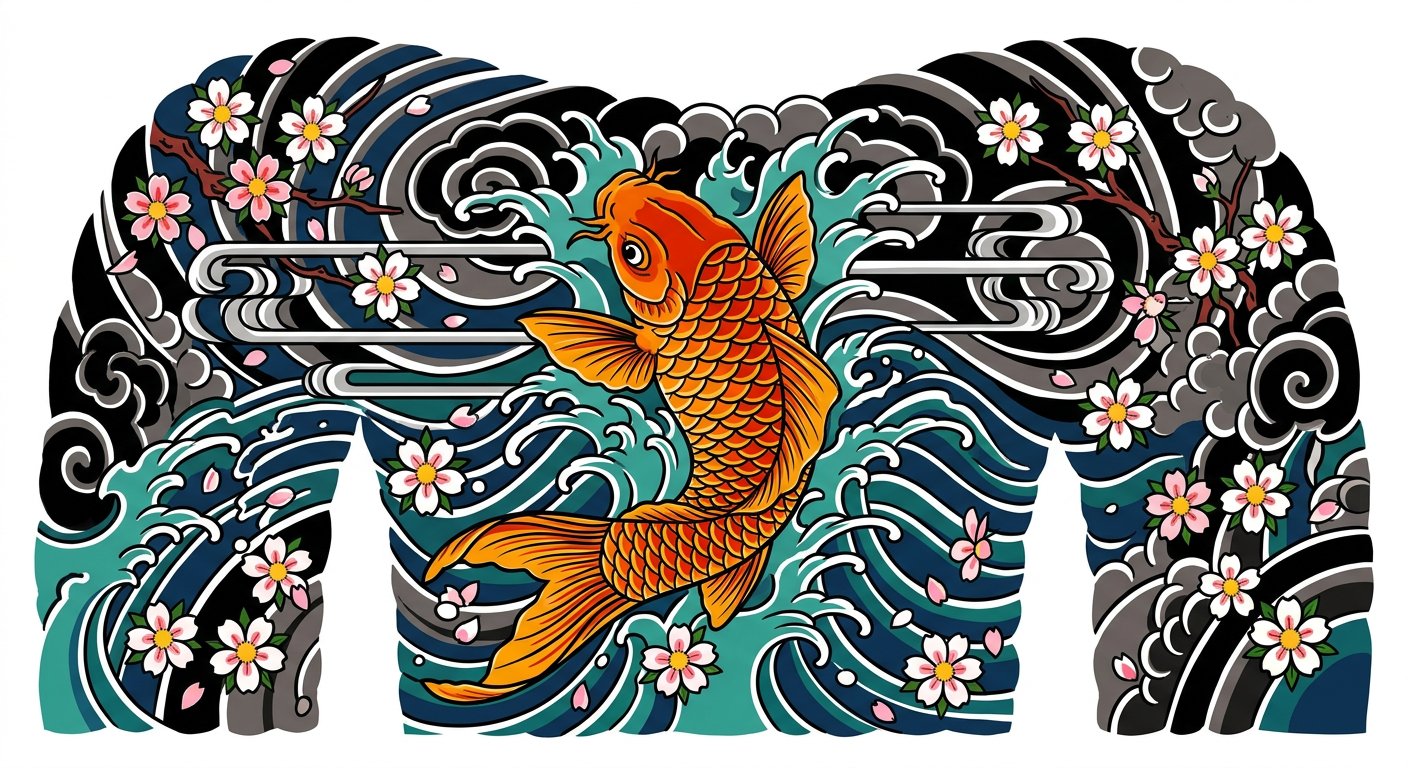
Japanese
Rich symbolism and tradition
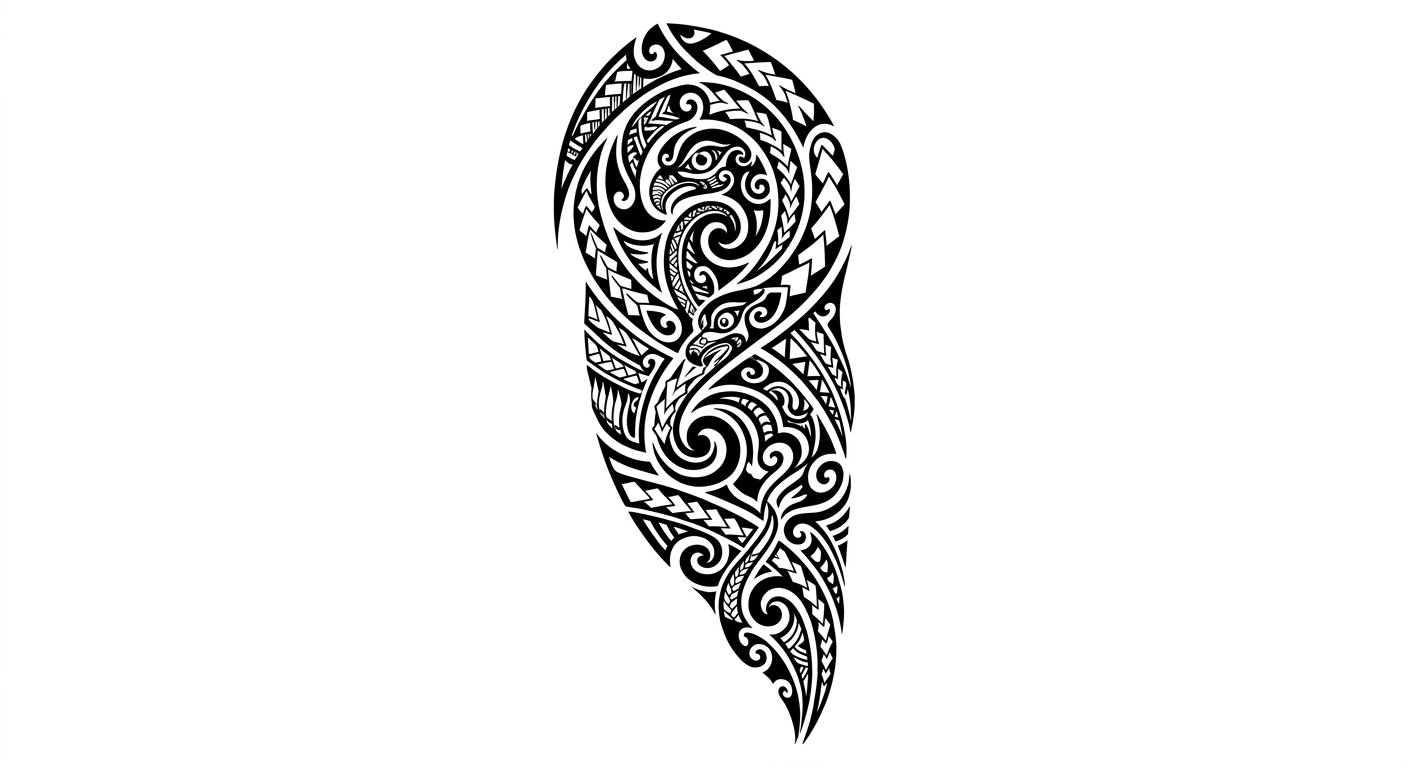
Tribal
Bold cultural patterns
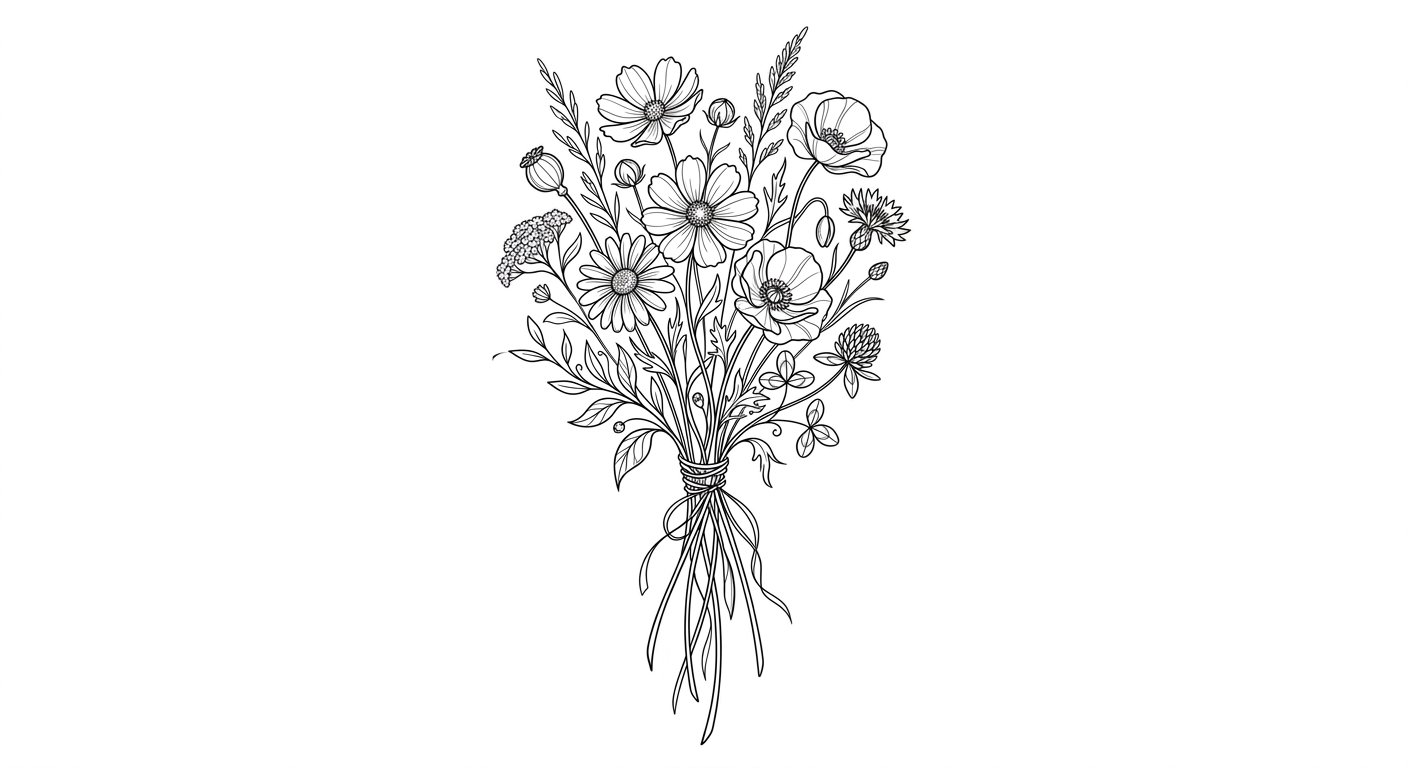
Linework
Single-weight line drawings
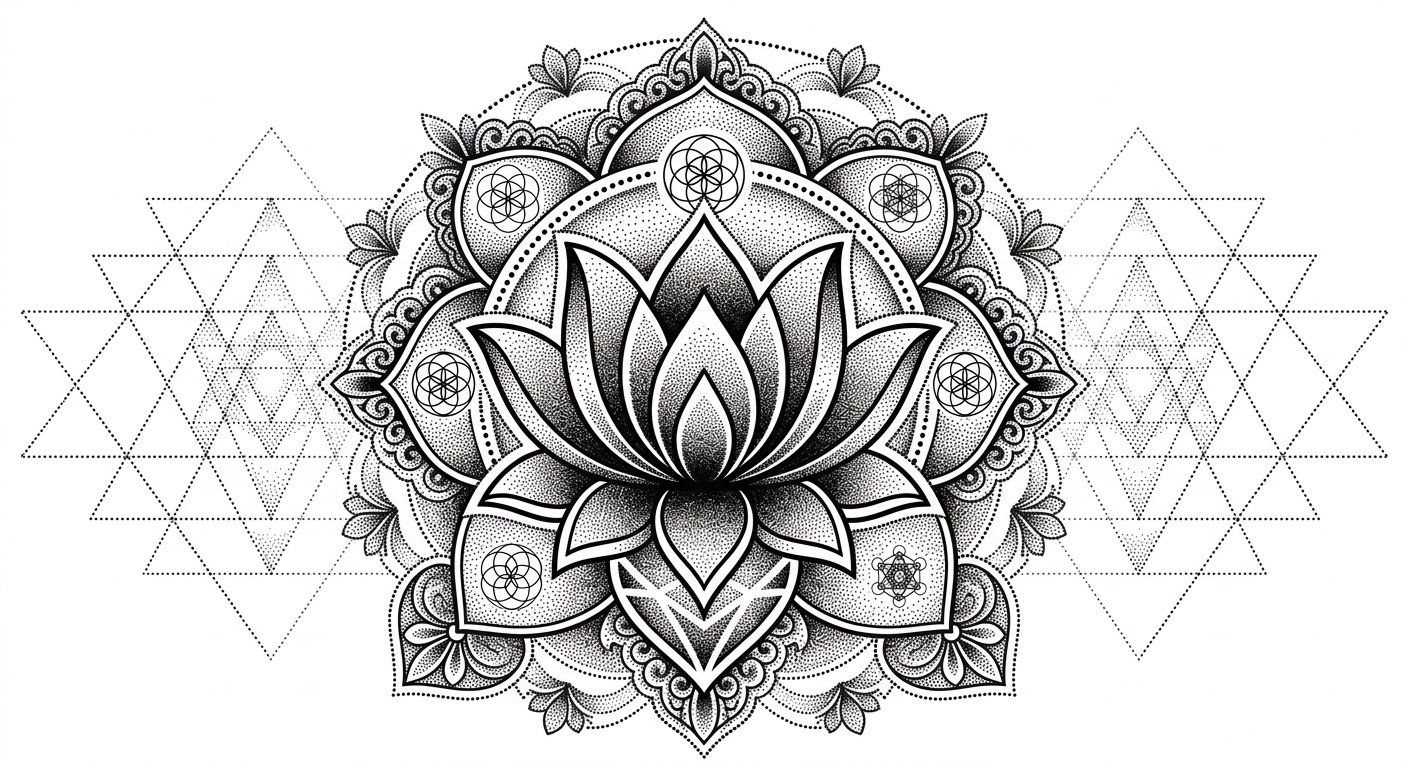
Dotwork
Stippled shading and texture
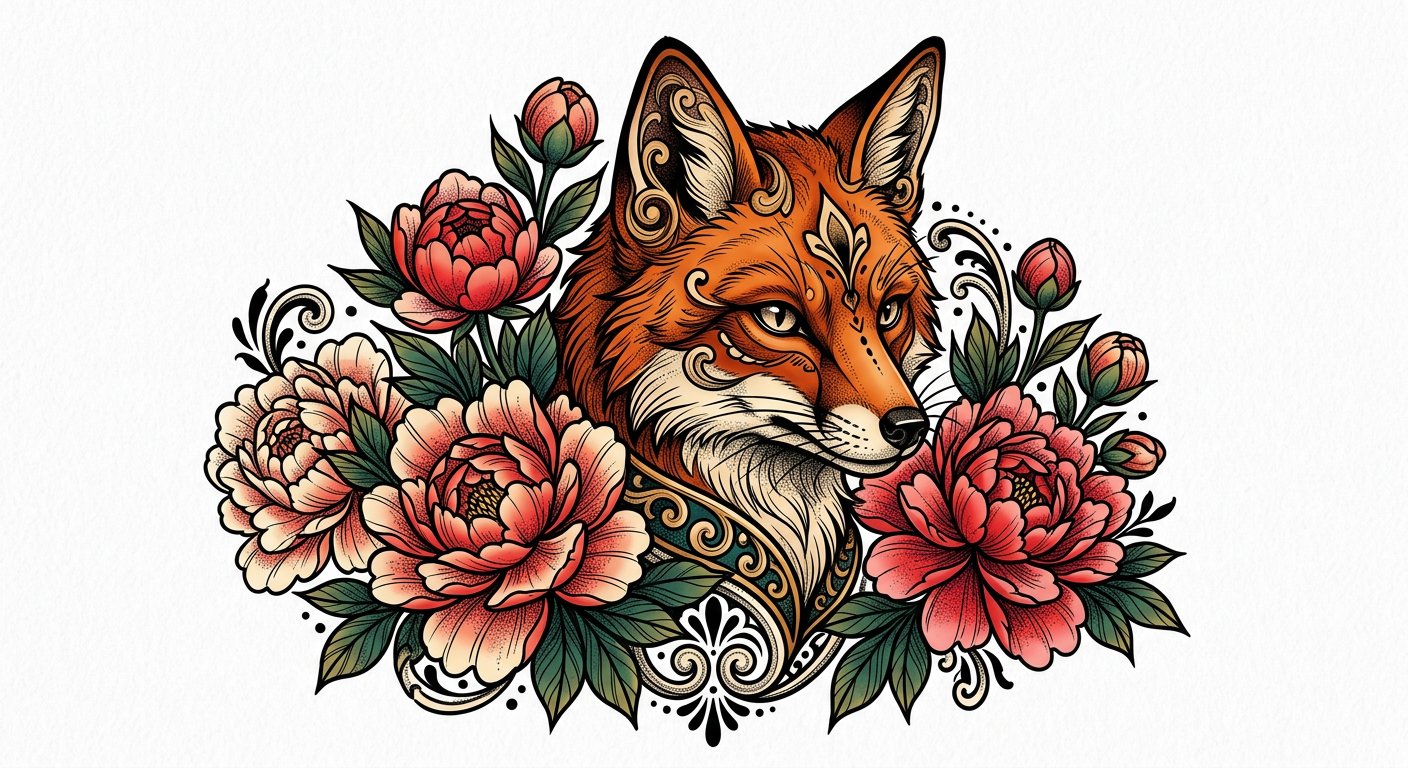
Neo-Traditional
Classic forms, modern palette
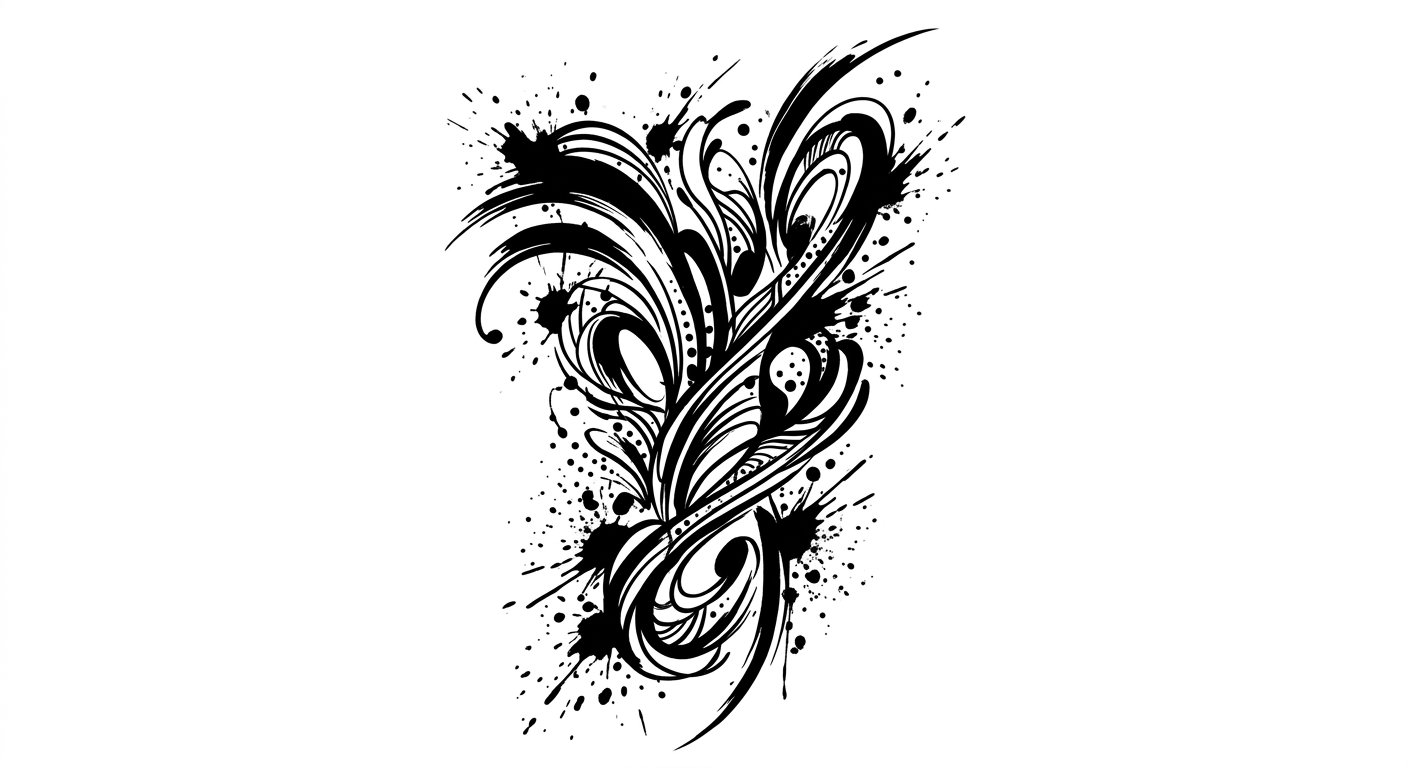
Abstract
Freeform shapes and negative space
Plan Your Tattoo
Four free tools for the questions that come before the design: how much it will hurt, what it will cost, and how a date or a word will read in ink.
Why AI-Generated Tattoo Ideas Win
Skip hours of Pinterest scrolling and expensive consultations
| Feature | AI Generator DesignMyInk | Traditional Artist |
|---|---|---|
| Time to Design | Brief in about 2 minutes, book the same day | 2-5 days |
| Cost | Free brief · $14.99 once | $50-200/hour |
| Designs to Compare | 12 in one report | 1-2 concepts |
| Style Options | 12 styles, 3 drawn in each book | Artist specialty only |
| Available 24/7 | ||
| Stencil-Ready Linework | Included in report | Extra design time |
| Session & Price Guidance | Honest ballparks included | Quoted in the chair |
How to Get Your Perfect Tattoo Idea
Describe Your Vision
Tell our AI what you're imagining - be as detailed or broad as you like
The consultant shapes it
Your idea becomes a brief with elements, style notes and placement in about two minutes
Commission the plates
Get 12 drawn plates across 3 styles, stencil-ready line plates and an artist brief, as a PDF with high-res downloads
Tattoo Ideas — FAQ
Where do I start when looking for tattoo ideas?
Start with three constraints: subject (what does the tattoo represent?), placement (where on your body?), and style (realistic, minimalist, traditional, etc.). Once you have those, describe them in the free studio and the design consultant turns them into a written brief in about two minutes. Don’t commit to a final design until you’ve seen at least 5-10 options.
How do I know if a tattoo idea is right for me?
Live with it before committing. Save the design, look at it for at least a week, and print it at actual size and hold it against the placement to judge the scale. If you still love it after 7-14 days, it’s probably the right idea. If you’re second-guessing within a few days, change the style or the placement before you book.
What are the most popular tattoo styles right now?
Fine line and minimalist (especially for first tattoos), realistic portraits, blackwork, traditional American, Japanese (dragons, koi, cherry blossoms), and watercolor. Geometric and dotwork are growing for people who want something distinctive but not heavily pictorial.
Can AI come up with original tattoo ideas?
Yes — the AI doesn’t copy from a database of existing tattoos. The plates in a Commission Book are drawn new from your own brief, so two people with similar ideas get different designs. Treat them as a starting point: take them to a tattoo artist who will adapt the composition to your skin and style preferences.
How specific should my tattoo idea be before I start?
More specific is usually better. “Tattoo of a wolf” gives the consultant little to work with and leads to generic results. “Minimalist single-line wolf head with mountain in negative space, for inner forearm” gives a brief, and plates, much closer to what you want. Include subject, mood, style, placement, and any symbolic elements you want.
Should I get a small first tattoo or go bigger?
Most artists recommend starting with a 2-4 inch design on a moderate-pain placement (outer forearm, upper arm). Small enough to test how you feel about being tattooed, large enough that the design holds detail. Save the chest piece, sleeve, or back tattoo for after your first one heals.
Related Tattoo Ideas
Tattoo Designs for Men
Placements, styles and subjects men choose most
Tattoo Designs for Women
Fine line, florals, placements and sizing
Meaningful Tattoo Ideas
Symbols, dates and tributes that carry a story
Small Tattoo Designs
Pieces under 3 inches and where they work
Sleeve Tattoo Designs
Plan a full or half sleeve that reads as one piece
Tattoo Pain Chart
How much each placement hurts, 1 to 10
Tattoo Cost Calculator
Price by size, placement, style and city
Custom Tattoo Design
How a one-off design is commissioned