Sleeve Tattoo Generator
Full Arm Artistry
Plan a half or full sleeve as one piece: describe the subject, the supporting elements and the style, and the consultant shapes it into a brief. Japanese, traditional, blackwork or realism.
Free consultation · No account or credit card needed
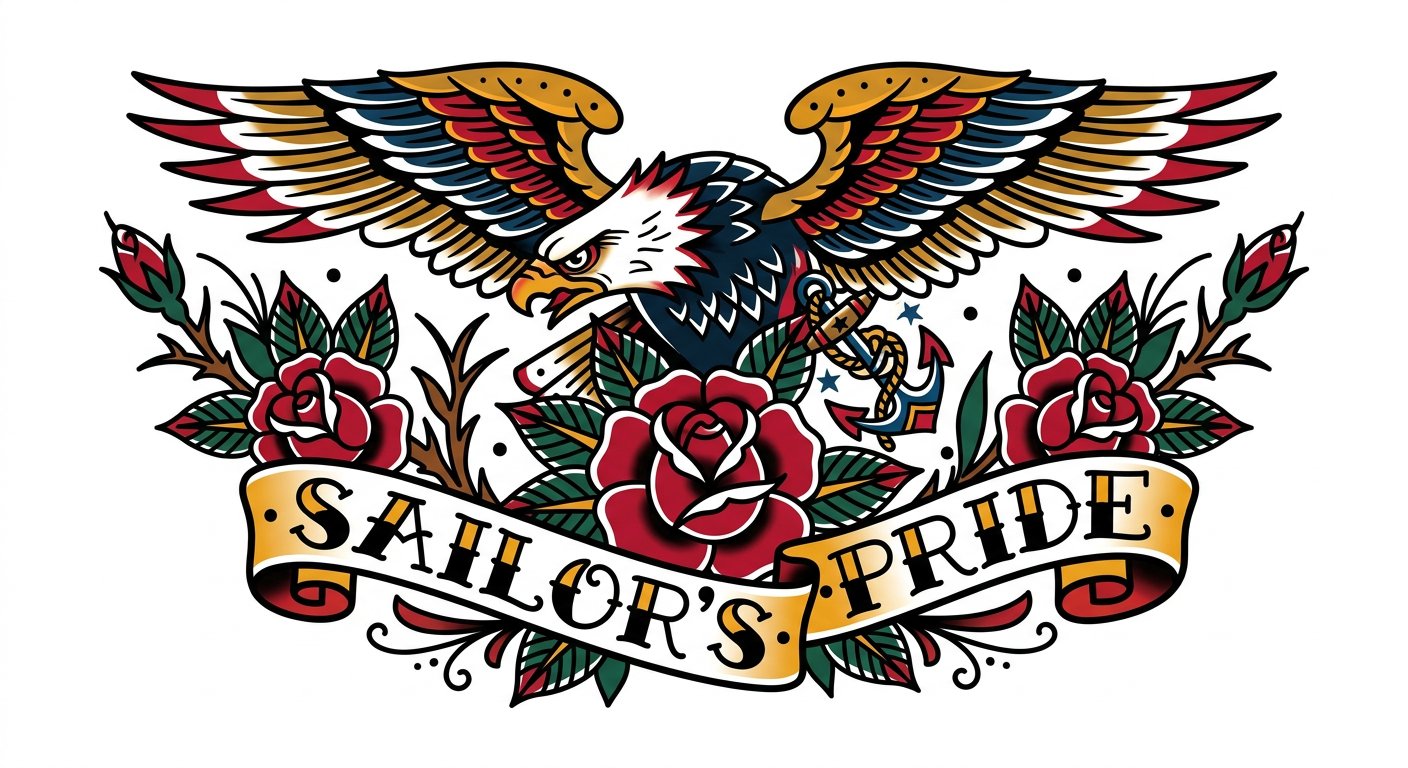
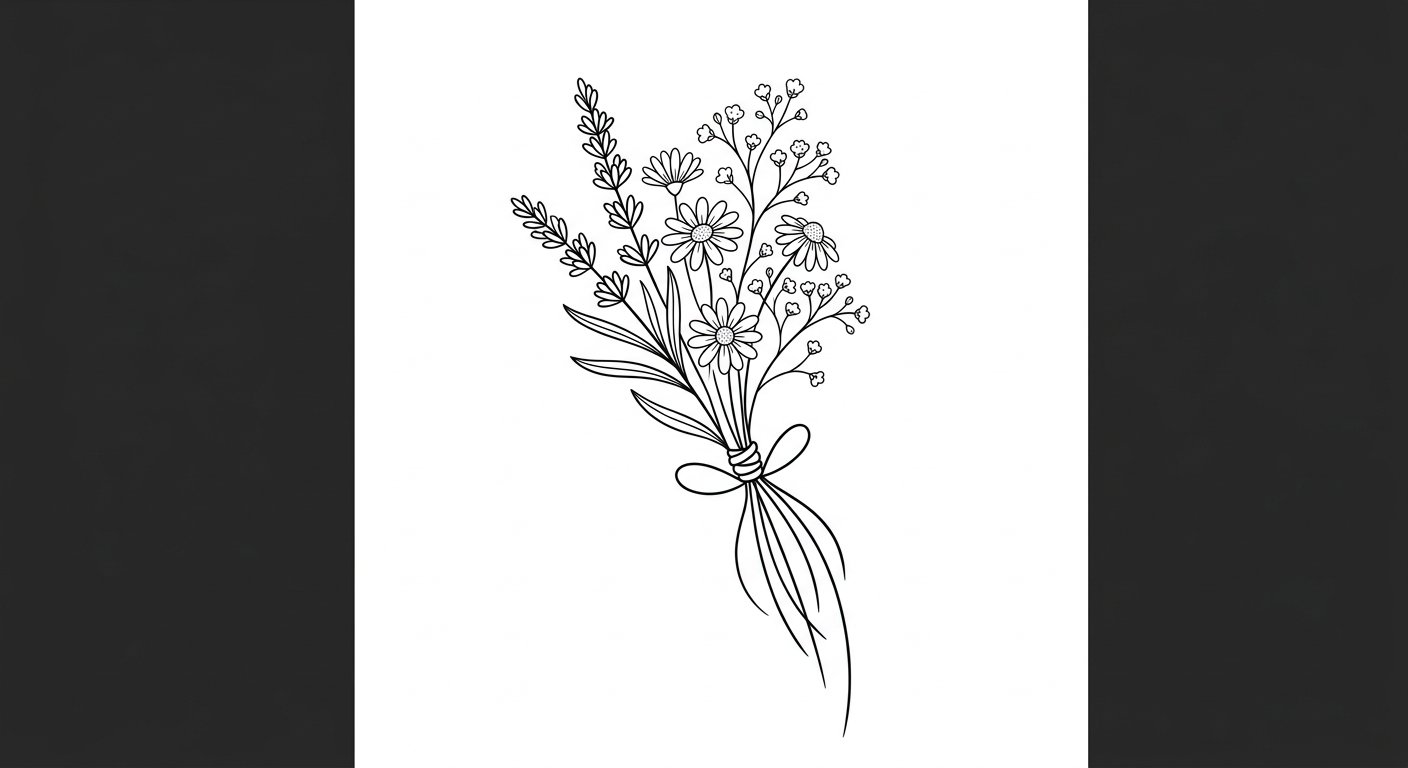
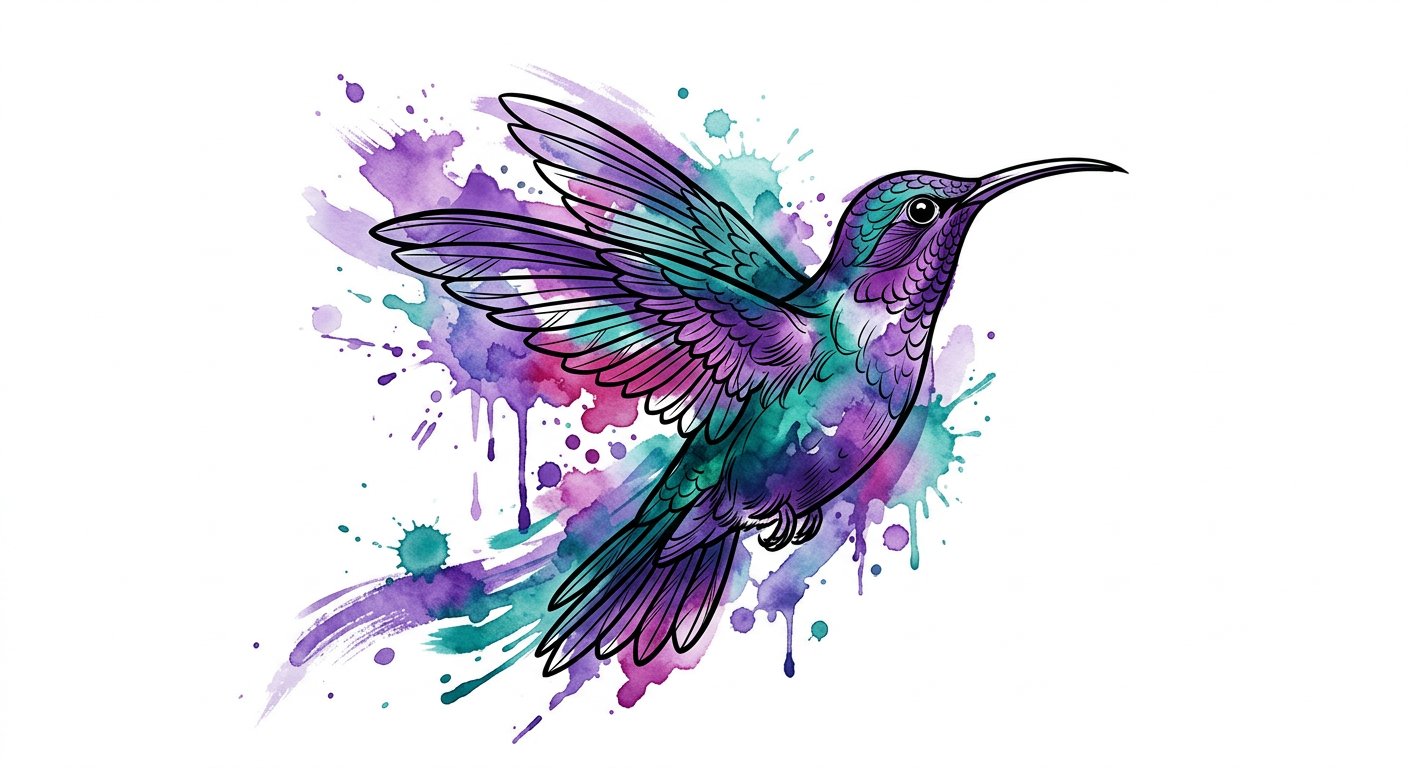
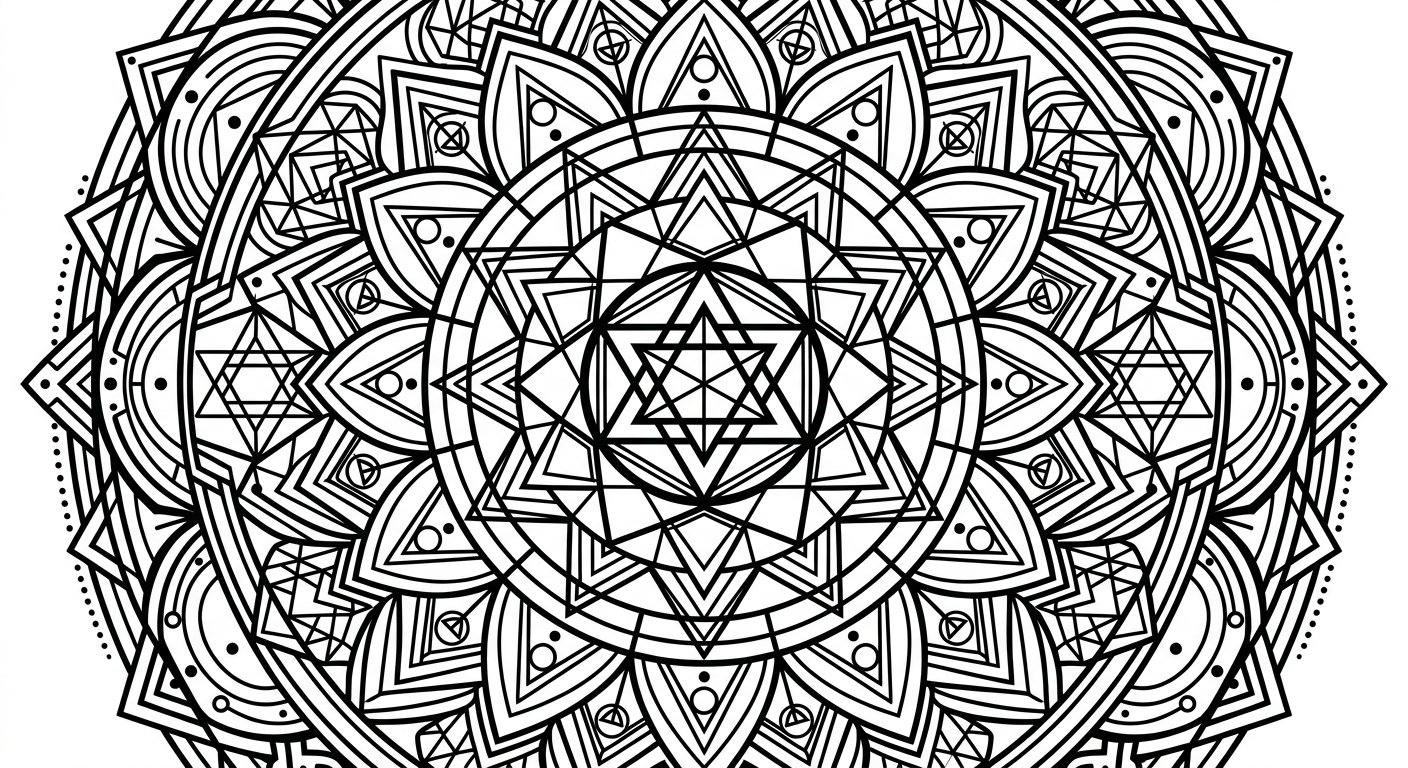
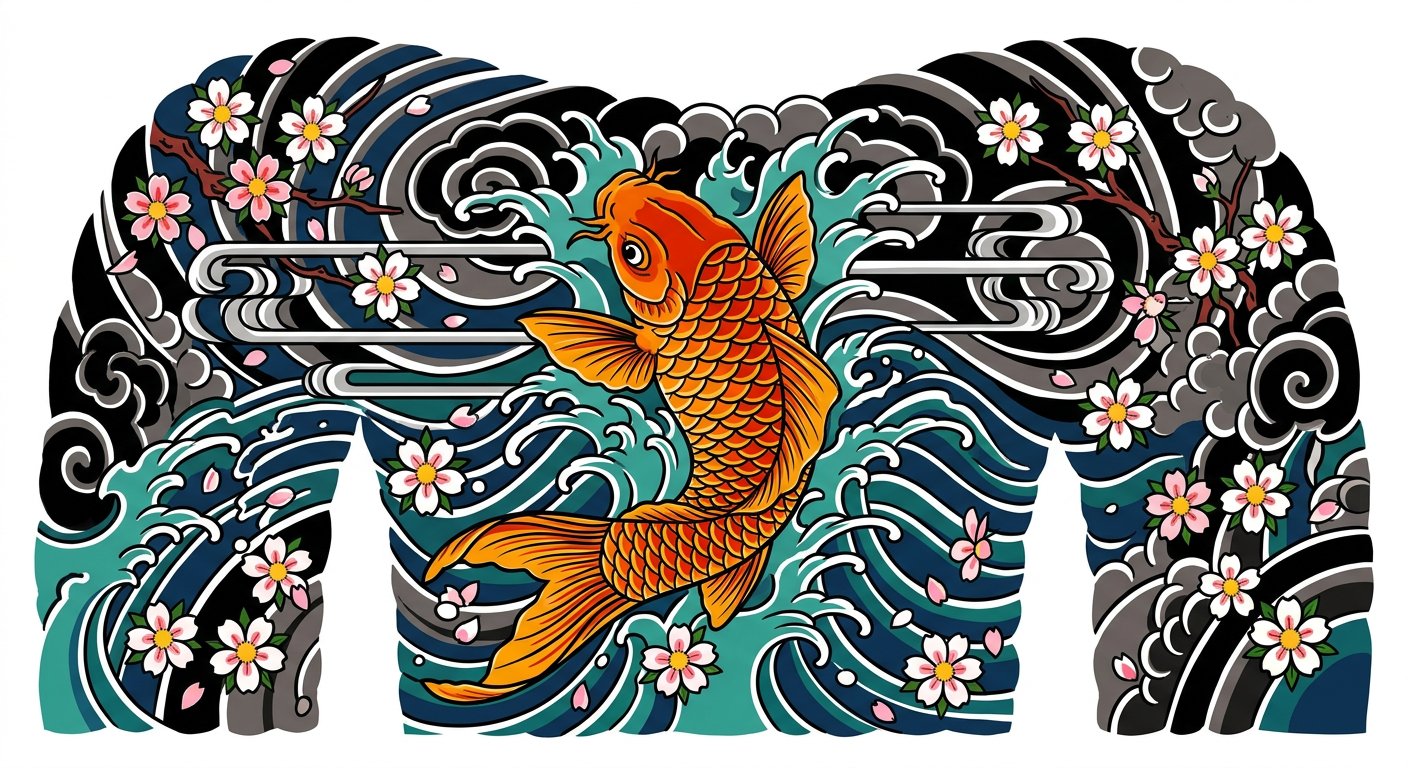
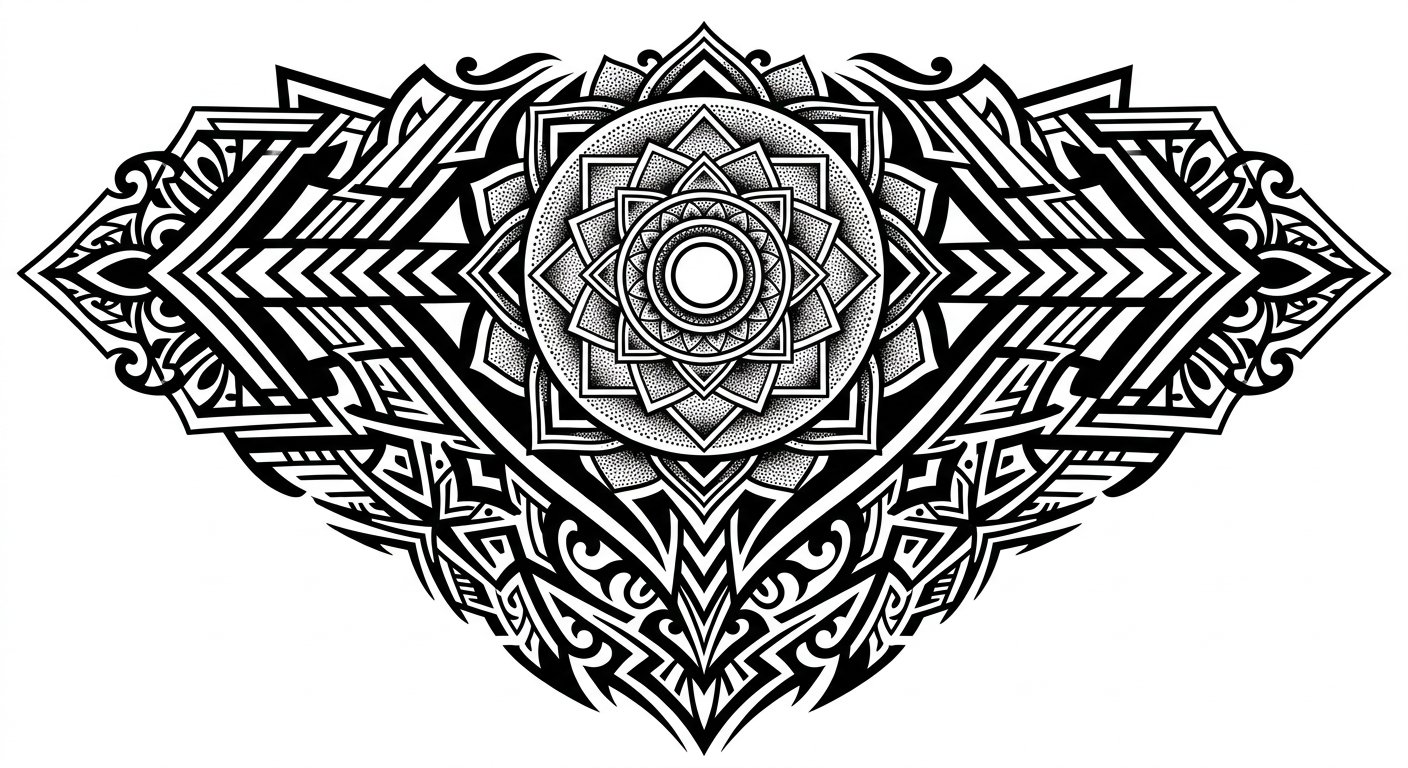
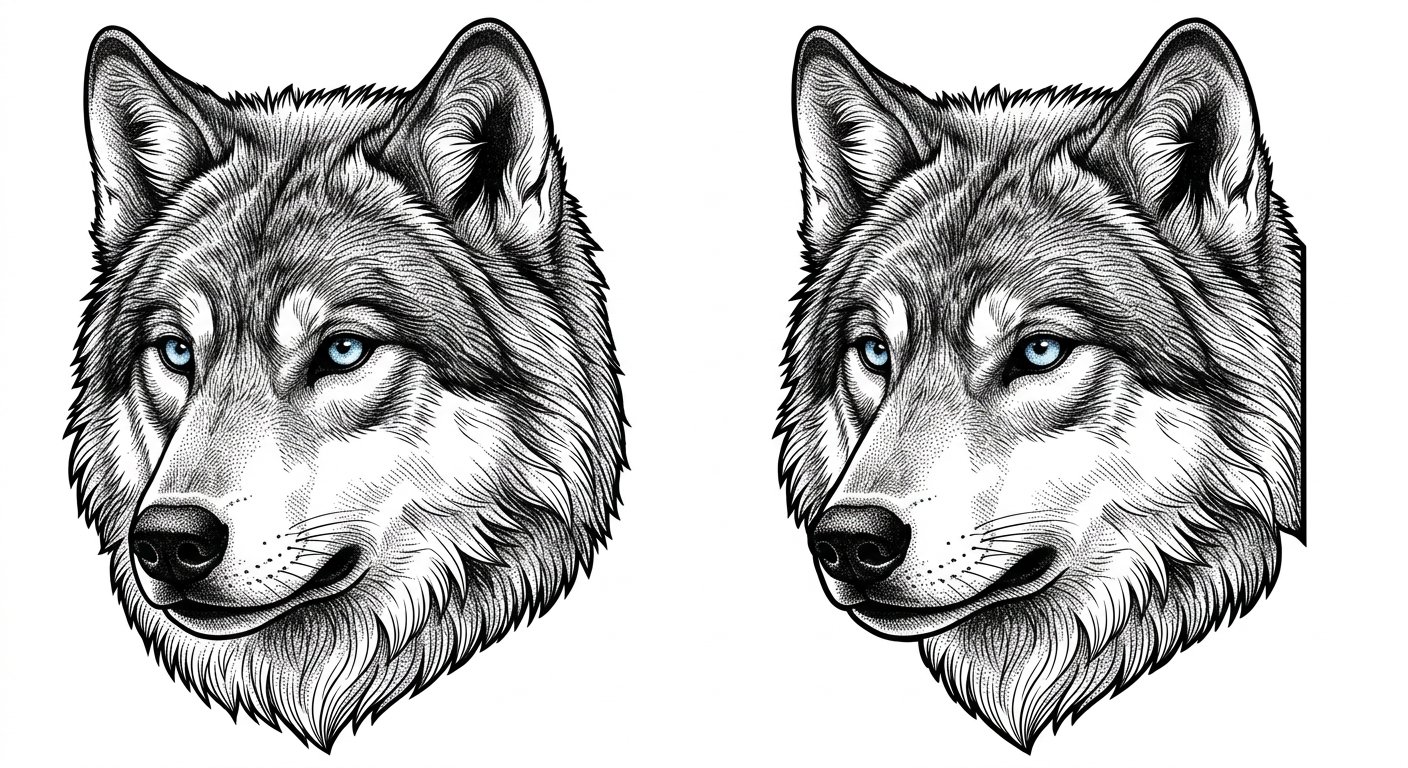
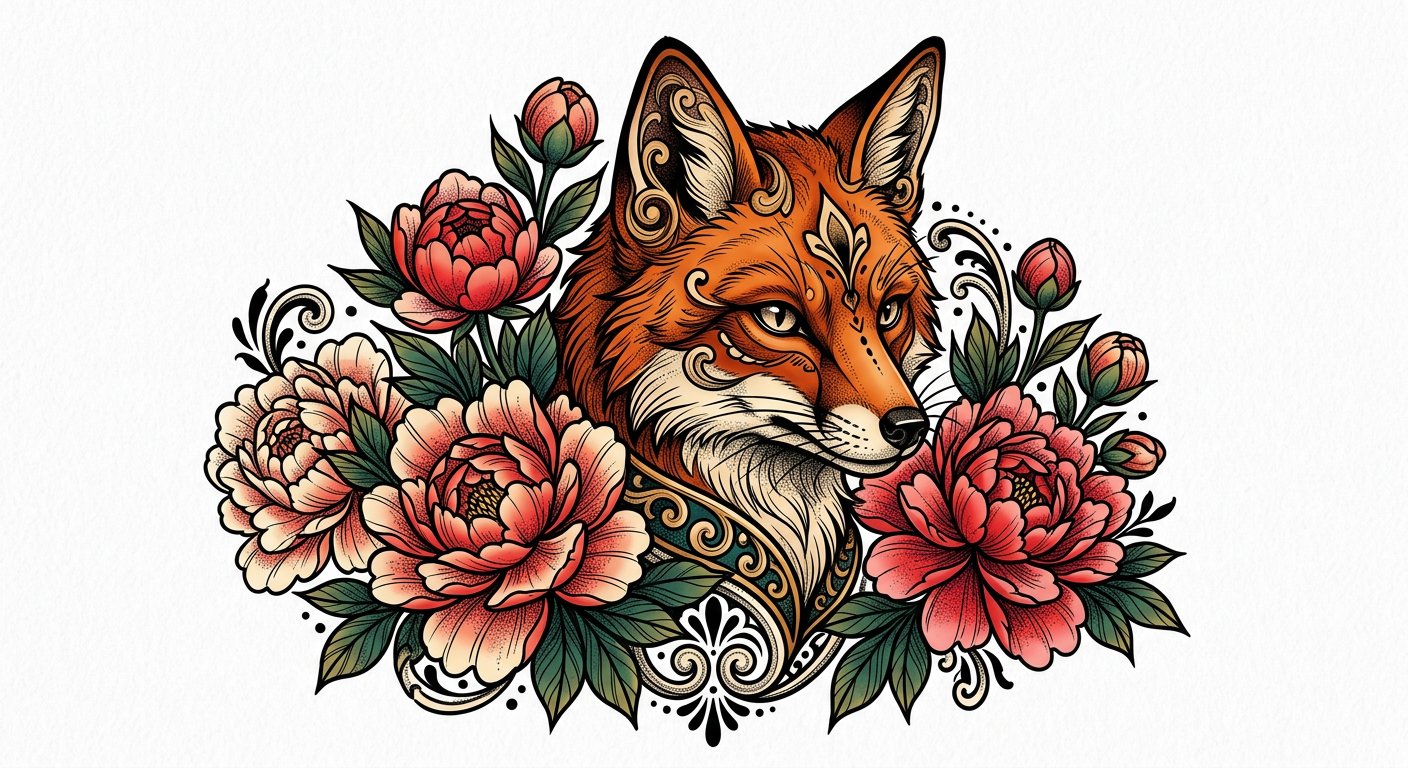
How the Tattoo Design Report works for a sleeve
A sleeve is built from pieces: a main subject, two or three supporting elements, and the filler that ties them together. Describe the sleeve in the studio and the consultant turns it into one brief. The book then gives you 12 drawn plates of that brief across 3 styles, stencil-ready line plates, placement and flow notes for the arm, price ballparks by session, and an artist brief your tattooist can compose the sleeve from.
One payment of $14.99. Nothing is drawn until you commission it, and the brief stays free.
- 01Describe the whole armMain subject, supporting elements, the mood, and whether it is a half or full sleeve.
- 02Pick up to three stylesJapanese, traditional, blackwork and realism carry sleeves best.
- 03Commission the plates12 drawings of your brief, with stencils, in a few minutes.
- 04Hand the book to your artistThey compose the sleeve from the plates and the flow notes.
What Is a Sleeve Tattoo?
A sleeve tattoo is a large tattoo — or a connected collection of tattoos — that covers most of the arm. The defining feature isn't size alone; it's composition. A sleeve is designed as a unified piece, with background elements (waves, clouds, geometry, smoke) tying every motif together. Unconnected tattoos that happen to fill an arm are called a patchwork sleeve, which is a deliberate style in its own right.
Sleeves come in three main coverage levels: full sleeves run shoulder to wrist, half sleeves cover either the upper arm (shoulder to elbow) or forearm (elbow to wrist), and quarter sleeves cover shoulder to mid-bicep. Most people start with a half sleeve and extend over time — it's easier on the budget, easier to plan around work, and gives you space to refine the overall vision before committing.
Total cost ranges from $2,000–$6,000 for a full sleeve in the US, depending on artist rate and complexity. Total tattooing time is typically 25–40 hours across 4–10 sessions over 6–18 months. The time investment is part of why planning the composition upfront matters — it's much harder to change direction halfway through.
Types of Sleeve Tattoos
Full Sleeve
Shoulder to wrist coverage
Half Sleeve
Shoulder to elbow or elbow to wrist
Quarter Sleeve
Shoulder to mid-bicep
Japanese Style
Traditional irezumi aesthetics
Biomechanical
Mechanical and organic fusion
Patchwork
Multiple individual pieces
Popular Sleeve Themes
Japanese Traditional
Dragons, koi, waves, cherry blossoms
Nature & Wildlife
Forests, animals, landscapes
Geometric Patterns
Sacred geometry and shapes
Biomechanical
Cyborg and machine aesthetics
Realism
Photo-realistic portraits and scenes
Abstract Art
Contemporary artistic expressions
Why AI Generation Wins
Visualize your full sleeve before committing
| Feature | AI Generator DesignMyInk | Traditional Artist |
|---|---|---|
| Time to Design | Brief in about 2 minutes, book the same day | 2-5 days |
| Cost | Free brief · $14.99 once | $50-200/hour |
| Designs to Compare | 12 in one report | 1-2 concepts |
| Style Options | 12 styles, 3 drawn in each book | Artist specialty only |
| Available 24/7 | ||
| Stencil-Ready Linework | Included in report | Extra design time |
| Session & Price Guidance | Honest ballparks included | Quoted in the chair |
Sleeve Tattoo FAQ
What is a sleeve tattoo?
A sleeve tattoo is a large tattoo or collection of connected tattoos that covers most or all of the arm. Full sleeves run from shoulder to wrist; half sleeves cover either shoulder-to-elbow or elbow-to-wrist; quarter sleeves cover shoulder to mid-bicep. Unlike standalone tattoos, sleeves are designed as a unified composition — the elements connect through background work like clouds, waves, or geometric flow.
How long does a full sleeve tattoo take?
A full sleeve typically takes 25–40 hours of tattooing spread across 4–10 sessions over 6–18 months. Detailed styles (Japanese traditional, photorealism, biomechanical) are at the upper end. Simpler styles (blackwork, fine line) are at the lower end. Sessions are usually 3–5 hours — longer sessions become painful and the body needs healing time between visits.
How much does a sleeve tattoo cost?
A full sleeve in the US typically costs $2,000–$6,000 depending on the artist's rate, complexity, and color usage. Hourly rates from established artists run $150–$300/hour. Black and grey sleeves are usually cheaper than full color. Booking with a top-tier artist can push costs to $8,000+ — but for a piece you'll wear forever, artist quality matters more than price.
Should I plan the whole sleeve before starting?
Yes — at least the overall composition. Sleeves built piece-by-piece without an overarching design tend to look disjointed (this is sometimes called a "patchwork" sleeve, which is intentional in some styles, accidental in others). Use AI tools to mock up the full layout before booking, or commit to one artist who can plan the entire flow with you upfront.
What is the difference between a full sleeve and a half sleeve?
A full sleeve covers the entire arm shoulder-to-wrist. A half sleeve covers either the upper arm (shoulder to elbow) or the forearm (elbow to wrist). Half sleeves are easier to hide for work contexts and cost roughly half as much. Many people start with a half sleeve and extend to full over time.
Is a sleeve tattoo painful?
Pain varies dramatically by location. The inner bicep, elbow ditch, and wrist are the most painful areas. The outer upper arm and outer forearm are the most tolerable. Most people describe sleeve work as "uncomfortable but manageable" — the longer sessions are more about endurance than peak pain.
Can I add to an existing sleeve?
Yes, but matching style and ink fade is harder than it sounds. The newer additions will look fresher and more saturated than older work for years. The cleanest approach is to plan the full sleeve upfront with your artist; the second-best is to commit to one artist for any additions so the style stays consistent.
More Sleeve Inspiration
Forearm Tattoos for Men
Inner and outer forearm designs
Dragon Tattoo Designs
Japanese and Western dragons for sleeves and backs
Japanese Tattoos
Dragons, koi, waves and wind bars
Traditional Tattoos
Bold outlines and the classic flash palette
Tattoo Cost Calculator
Price by size, placement, style and city
Tattoo Pain Chart
How much each placement hurts, 1 to 10
Tattoo Designs for Men
Placements, styles and subjects men choose most
Tribal Tattoos
Bold black patterns and bands