Popular Styles for Men
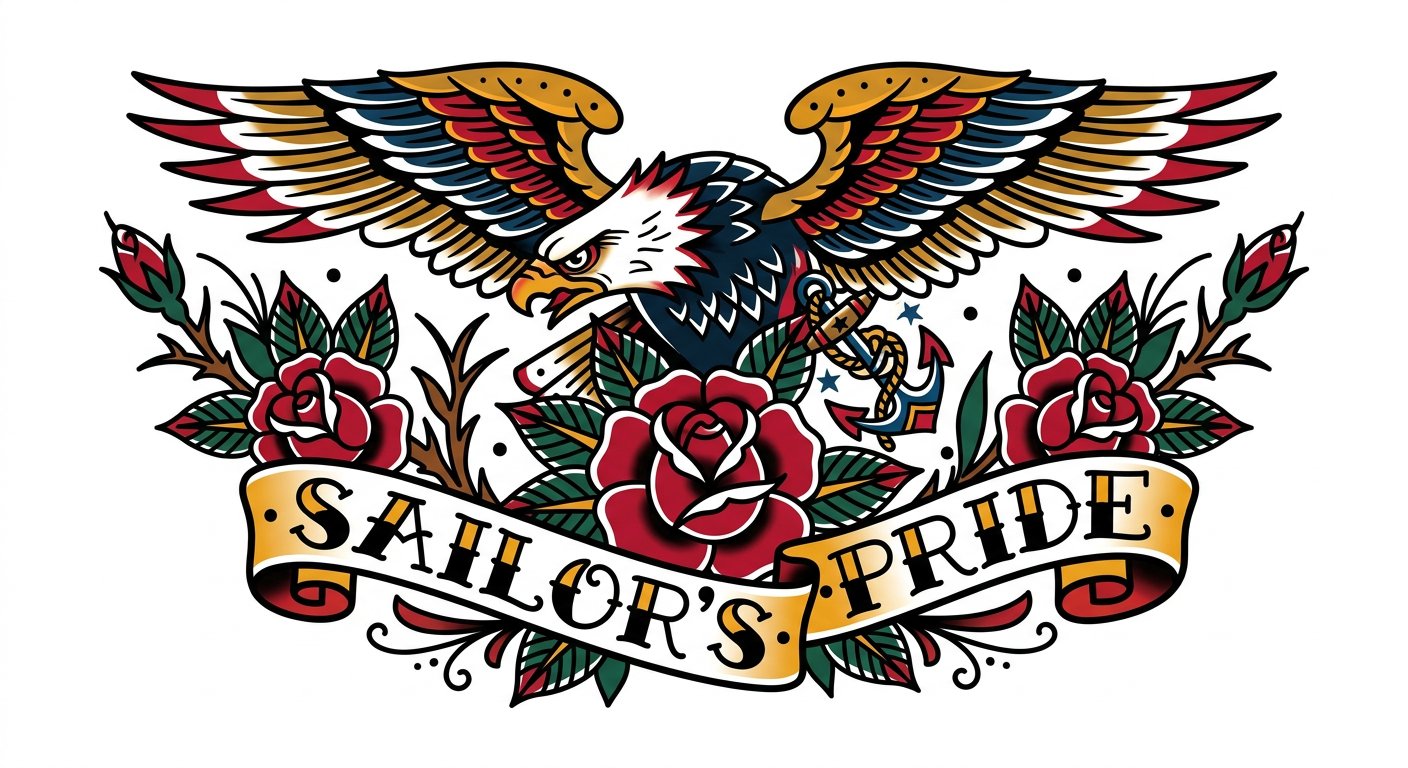
Traditional
Classic American old-school designs
Realistic
Photo-realistic portraits and scenes
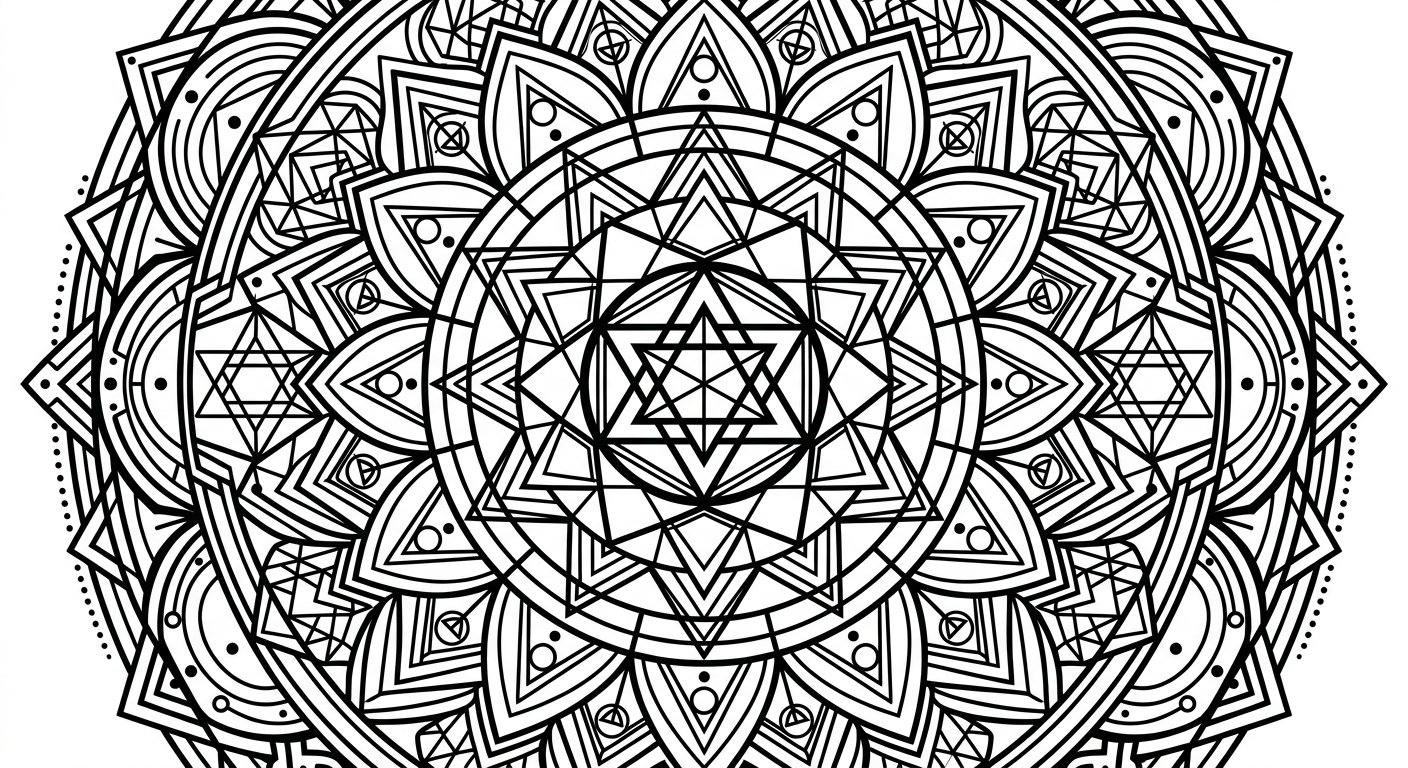
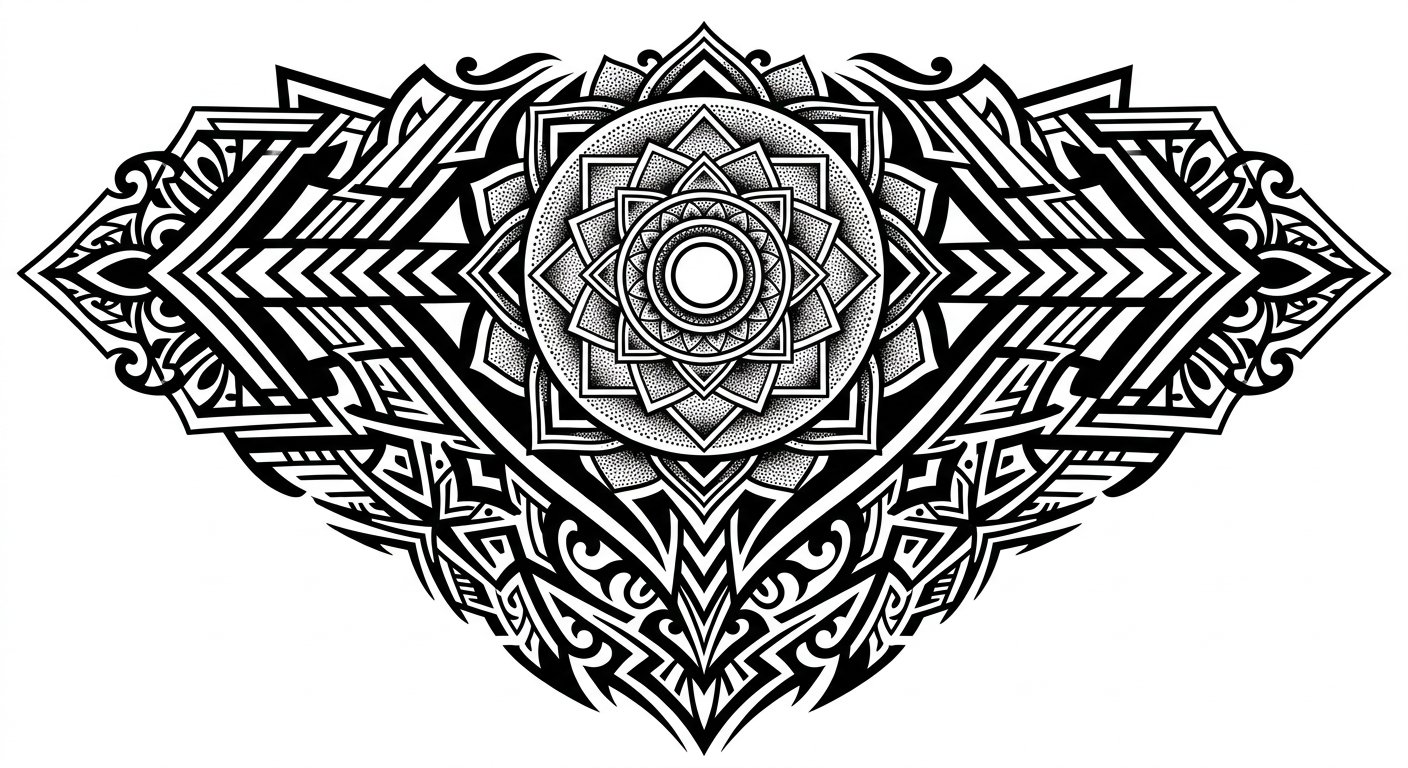
Geometric
Mathematical precision and symmetry
Blackwork
Bold black ink designs
Minimalist
Simple, clean, and elegant
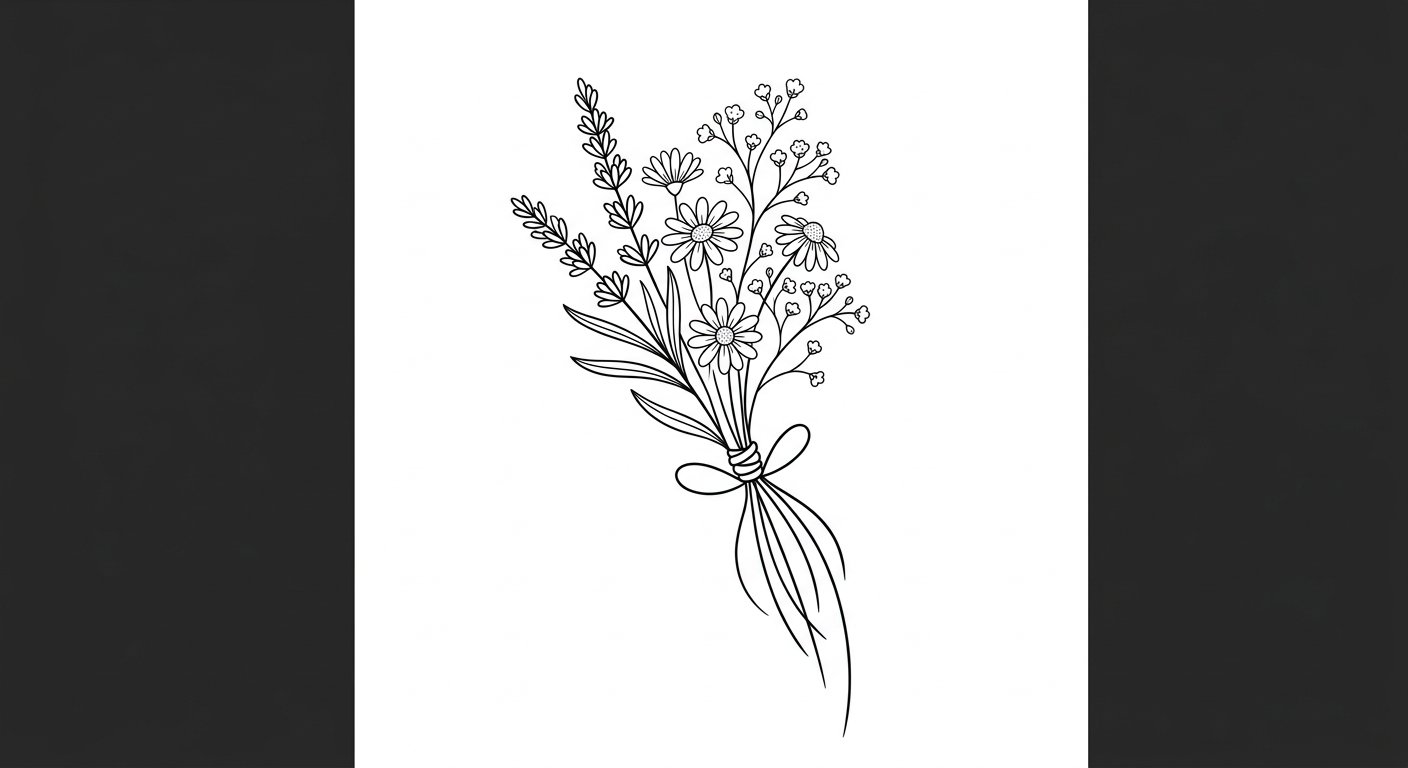
Linework
Fine lines and detailed patterns
Best Placement Options
Sleeve
Full or half arm coverage
Chest
Powerful centerpiece designs
Back
Large canvas for detailed work
Forearm
Visible and versatile placement
Shoulder
Strong masculine placement
Calf
Great for vertical designs
Why AI Generation Wins
Skip the expensive consultations and endless browsing
| Feature | AI Generator DesignMyInk | Traditional Artist |
|---|---|---|
| Time to Design | Brief in about 2 minutes, book the same day | 2-5 days |
| Cost | Free brief · $14.99 once | $50-200/hour |
| Designs to Compare | 12 in one report | 1-2 concepts |
| Style Options | 12 styles, 3 drawn in each book | Artist specialty only |
| Available 24/7 | ||
| Stencil-Ready Linework | Included in report | Extra design time |
| Session & Price Guidance | Honest ballparks included | Quoted in the chair |
Tattoo Designs for Men — FAQ
What tattoo styles are most popular for men?
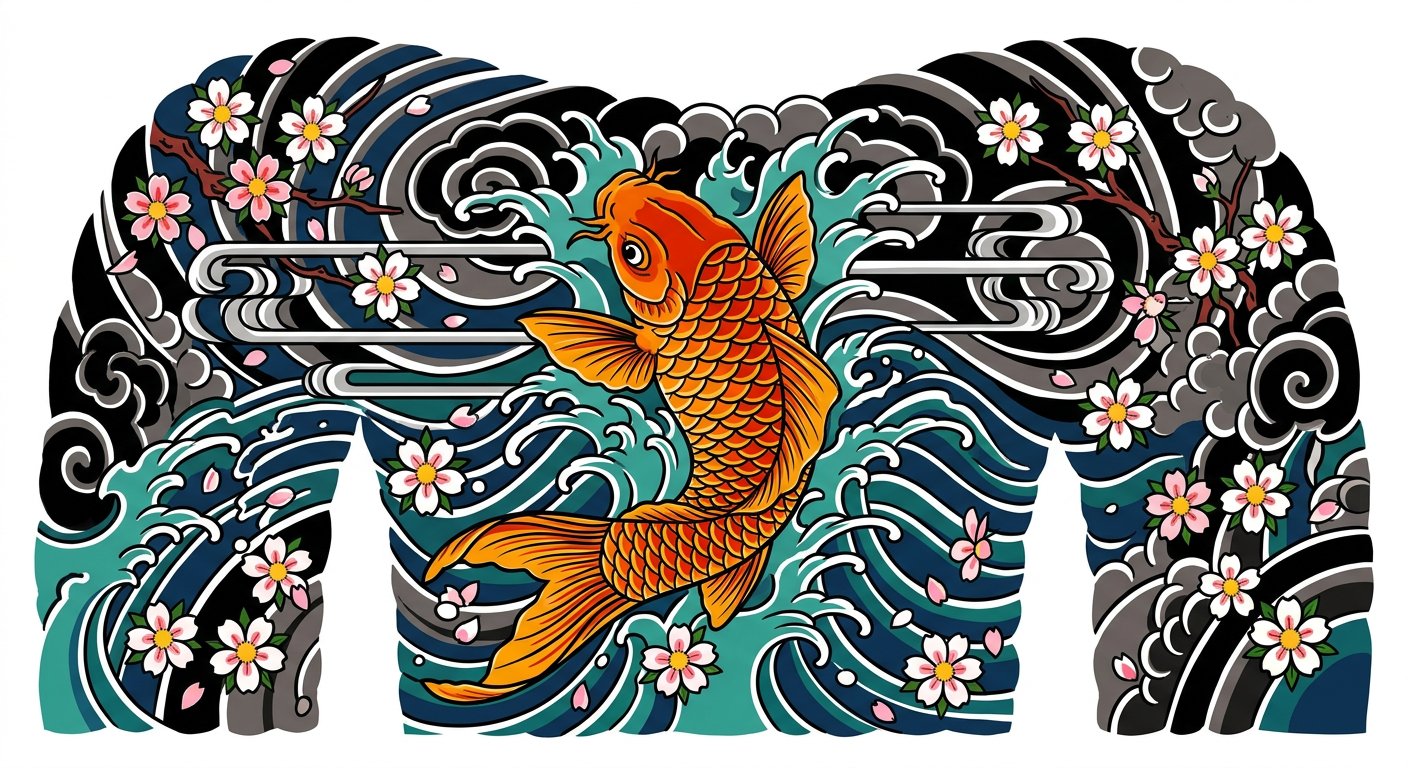
Traditional American (anchors, eagles, roses with bold outlines), realistic (portraits, animals, nature scenes), Japanese (dragons, koi, waves), and blackwork dominate men’s tattoos. Geometric and tribal designs are also strong, especially for arm placements where bold lines hold up well over time.
What are the best placements for a man’s first tattoo?
Outer forearm and upper arm are the most popular first placements — moderate pain (4-5/10), high visibility, and good real estate for a single statement piece. Chest and bicep are next; both work well for medium-to-large designs. Avoid the ribs, hands, or neck for a first tattoo.
How painful are different tattoo placements for men?
Outer forearm and upper arm are the easiest (4-5/10). Chest and bicep are moderate (6/10). Ribs, sternum, and inner bicep are high (8-9/10). Hands, fingers, and neck are the most painful (8-9/10) due to thin skin and nerve density. Pain tolerance varies — most men find arm placements easily manageable.
Can I cover a tattoo for work?
Yes, depending on placement. Inner bicep, chest, ribs, back, thigh, and calf are easily covered by standard work clothing. Forearm and outer bicep can be covered with long sleeves. Hands, neck, and face are nearly impossible to conceal — consider your career trajectory before committing to those placements.
What subjects are trending for men’s tattoos right now?
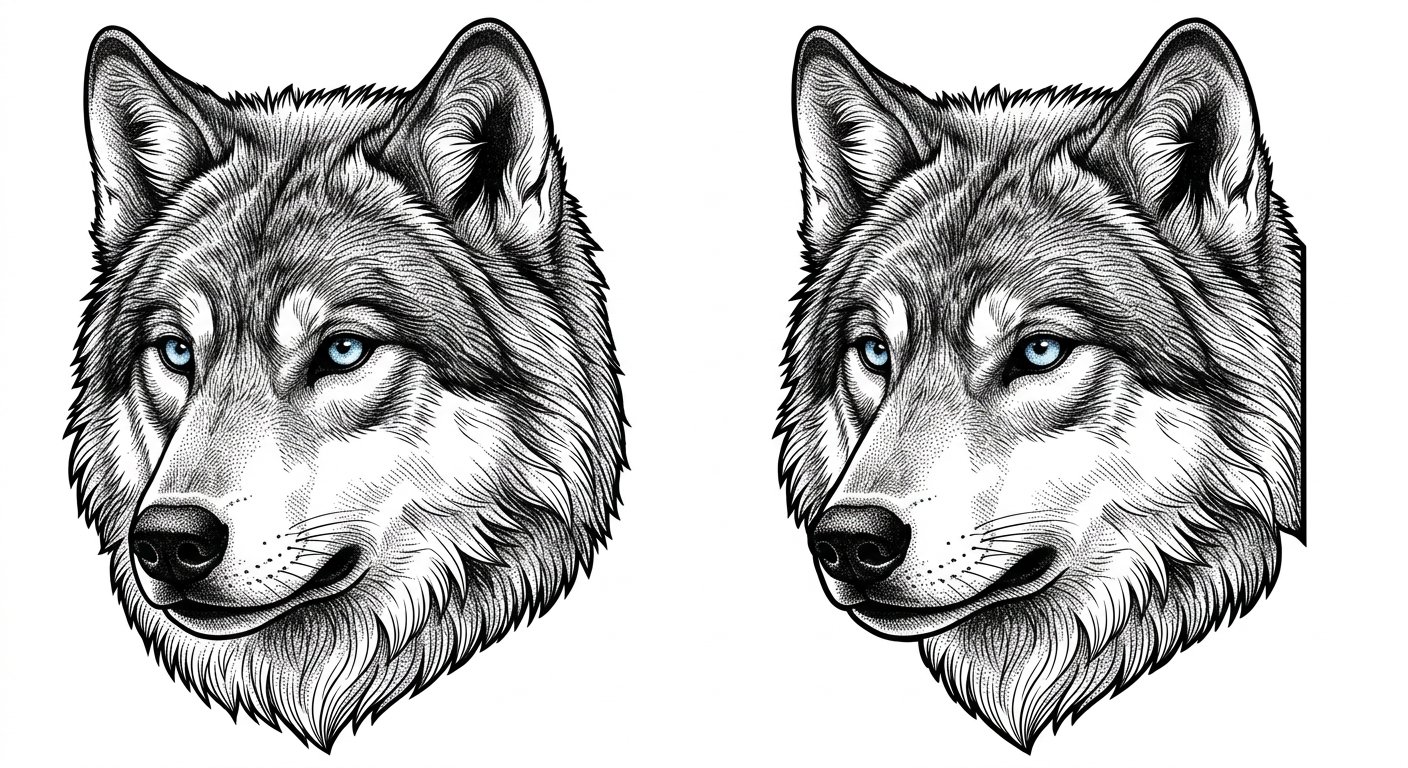
Realistic animal portraits (lions, wolves, eagles), Japanese dragons and oni masks, religious imagery (praying hands, crosses), Greek mythology (Zeus, Medusa, Achilles), playing cards, compasses, and detailed clock faces. Geometric sacred-geometry pieces and minimalist line-work are growing fast.
Is realistic or traditional better for masculine designs?
Both age well differently. Traditional uses thick outlines and saturated color — designs stay legible for decades, but the style looks intentionally retro. Realistic captures detail and depth but can fade or blur over 10-20 years, especially in fine details. For a first tattoo, traditional is the safer long-term choice; for a centerpiece or showpiece, realistic delivers more impact.
How do I make any design look more masculine?
Add modifiers when you describe your idea: “bold lines,” “heavy shading,” “high contrast,” “solid black,” “geometric,” “traditional outline.” Subjects like animals, mythology, weapons, and tools tend to read masculine. Larger sizes (5-10 inches) and saturated styles (traditional, blackwork) look more masculine than fine line or watercolor.
More Tattoo Ideas for Men
Forearm Tattoos for Men
Inner and outer forearm designs
Hand Tattoos for Men
Back-of-hand and knuckle designs
Neck Tattoos for Men
Side, back and front of neck designs
Sleeve Tattoo Designs
Plan a full or half sleeve that reads as one piece
Skull Tattoo Designs
Skulls in blackwork, traditional and realism
Wolf Tattoo Ideas
Wolves in realism, geometric and blackwork
Traditional Tattoos
Bold outlines and the classic flash palette
Tattoo Cost Calculator
Price by size, placement, style and city