Popular Linework Designs
The History of Linework Tattoos
Linework tattooing — designs built entirely from line, with no shading or fill — emerged as a distinct style in the 2010s alongside the broader fine-line movement. The roots are deep: traditional Japanese hari and Polynesian hand-poke techniques are essentially linework, and 1960s counterculture tattoos often used pure line. But contemporary linework as a recognised genre owes its rise to two parallel trends — the single-needle revival led by artists like Dr. Woo and JonBoy, and the continuous-line drawing movement (a single uninterrupted line forming an entire image) popularised by tattoo artists adapting Picasso's and Cocteau's line drawings to skin. Modern linework spans from delicate single-needle fine line work (3 mm tall portraits) to bold black graphic linework reminiscent of Aubrey Beardsley illustrations to continuous-line "one-shot" drawings where the design is one unbroken stroke. The unifying principle: line is the entire vocabulary — no halftones, no fills, no shading.
Linework Tattoo Symbolism & Meanings
Every motif carries meaning. Here's what the most common linework tattoo elements represent.
Single continuous line drawing
Connection, unity, and the unbroken thread of a story. A whole image rendered without lifting the needle represents wholeness.
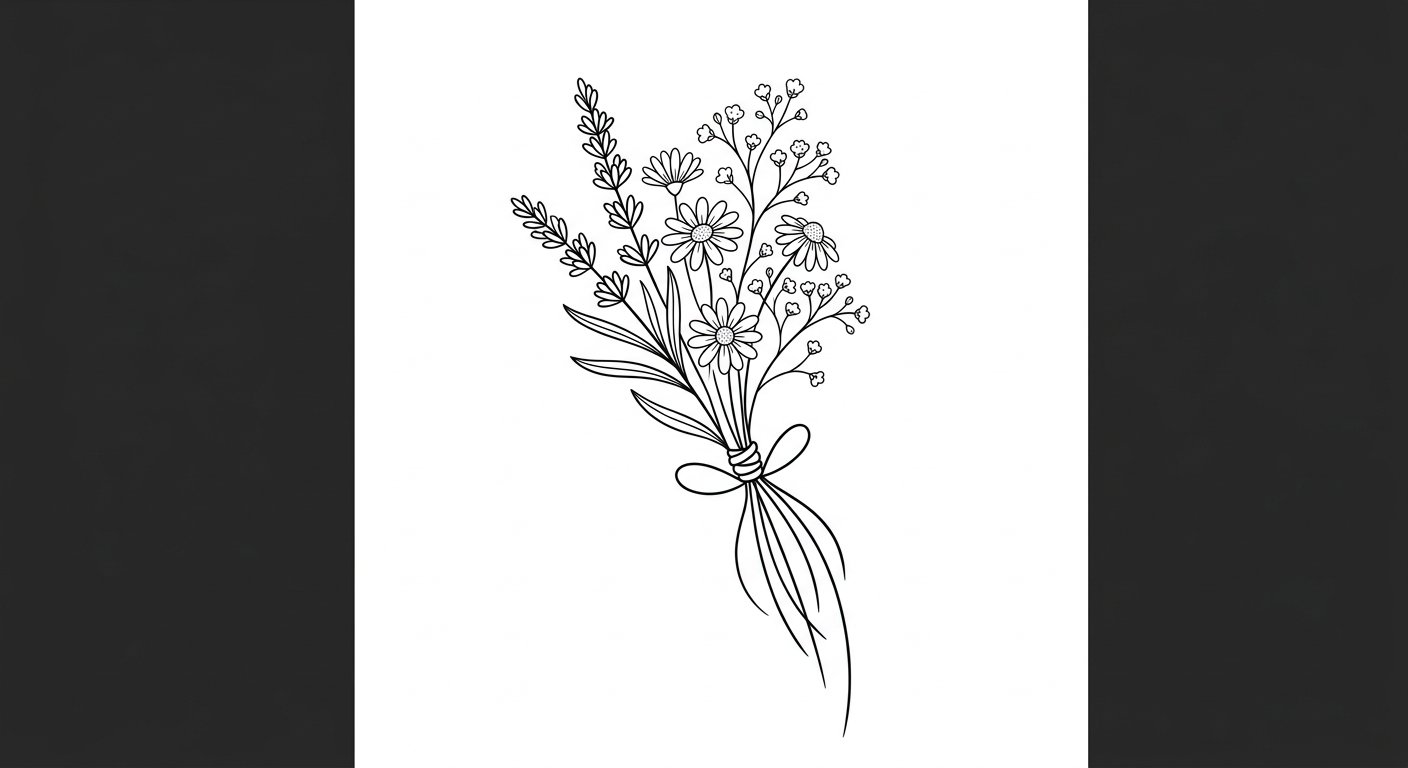
Botanical line drawing
Growth, beauty stripped to essentials, and reverence for natural form. Fern fronds, leaves, and stems are the most popular subjects.
Continuous line portrait
A person captured in their essence rather than their literal appearance. Often used for memorials.
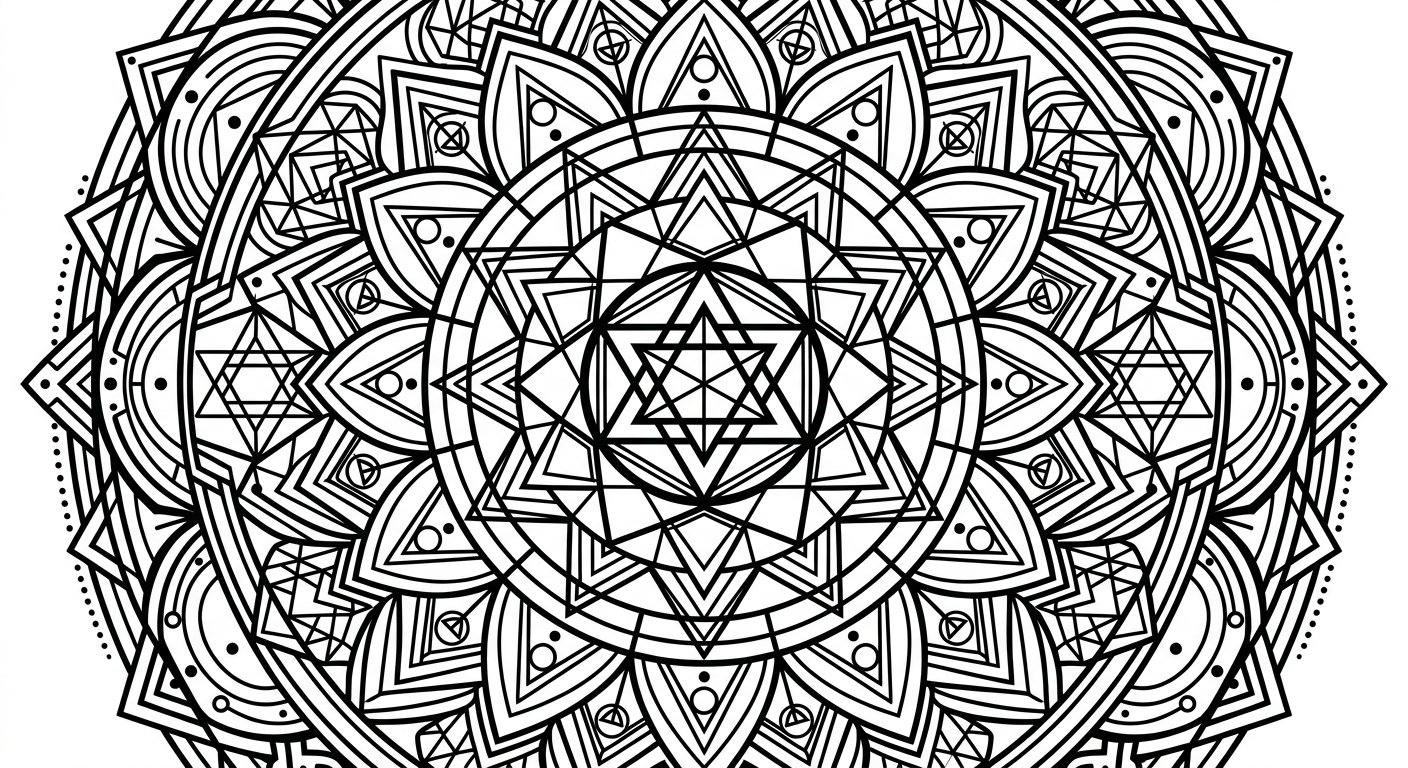
Geometric line composition
Underlying order, structure, and the meeting points of design and meaning.
Contour drawing
Looking truly — contour drawing requires intense observation of one moment. The tattoo carries that quality of attention.
Abstract line gesture
Movement, energy, and emotional expression rendered without representation.
Animal line silhouette
The defining shape of a creature distilled to its purest form. Strength through restraint.
Architectural line drawing
Place, memory, and the specific geometry of a meaningful building or city skyline.
Where to Place a Linework Tattoo
Linework needs flat-ish placements where lines can be drawn cleanly: inner forearm, outer forearm, calf, ribcage side, upper arm, and back are ideal. Avoid tight curves and high-friction areas (hands, fingers, feet) — fine lines blur fastest there. Size depends on the line weight: bold graphic linework (1–2mm lines) holds up at almost any size; delicate single-needle work needs minimum 3 inches to read properly and shouldn't go below 2 inches. The biggest placement consideration: linework has nowhere to hide ink-laying mistakes. A wobbly line is forever visible. Pick a careful artist, even if the design is simple.
Why Choose AI for Linework Tattoos?
Stencil-Ready Plates
Your Design Report pairs its lead linework design with a stencil study — clean, transfer-ready linework your artist can work from.
Same-day plates
A brief for your linework tattoo in about two minutes, and the drawn plates the same day.
Try Before You Ink
Visualize your linework tattoo before committing to permanent ink.
Free consultation · No account or credit card needed
AI vs Traditional Design Process
| Feature | AI Generator DesignMyInk | Traditional Artist |
|---|---|---|
| Time to Design | Brief in about 2 minutes, book the same day | 2-5 days |
| Cost | Free brief · $14.99 once | $50-200/hour |
| Designs to Compare | 12 in one report | 1-2 concepts |
| Style Options | 12 styles, 3 drawn in each book | Artist specialty only |
| Available 24/7 | ||
| Stencil-Ready Linework | Included in report | Extra design time |
| Session & Price Guidance | Honest ballparks included | Quoted in the chair |
Linework Tattoo FAQ
What's the difference between linework and minimalist tattooing?
Linework describes the technique (line-only, no shading or fill); minimalist describes the design philosophy (less is more). Most minimalist tattoos use linework technique, and most linework tattoos are minimalist in spirit — but you can have heavy graphic linework (like Aubrey Beardsley illustrations) that's linework but not minimalist, or minimalist designs that include subtle shading.
How long do linework tattoos last?
Depends entirely on line weight. Bold graphic linework (1–2mm lines) ages similarly to traditional tattoos — 20+ years with minor touch-ups. Single-needle fine linework fades faster — 5–10 years before noticeable blur. Sun exposure roughly halves these timelines. To maximise linework longevity: avoid very thin lines (under 0.3mm), keep the design above 2 inches, and use SPF on the area.
What is single-needle tattooing?
Single-needle tattooing uses literally one needle (vs. typical 3-7 needle groupings) to create the finest possible lines — under 0.5mm. It produces extremely delicate, photo-realistic-quality fine line work. The tradeoff is durability: single-needle lines fade faster than thicker lines because there's less ink density. Most reputable single-needle artists are upfront about touch-up requirements (usually within 7-10 years).
Is linework a good choice for a first tattoo?
Yes, with caveats. Linework is excellent for first tattoos because it's relatively painless (fast sessions), looks intentional and elegant, and accommodates almost any subject. The caveat: don't go too small or too thin. A 2–4 inch piece with medium-weight line work is the sweet spot for first linework tattoos. Don't pick single-needle ultra-fine line for your first piece unless you're comfortable with the touch-up commitment.
Why do some continuous-line tattoos look amazing and others look like scribbles?
It's the difference between intentional design and casual sketching. Strong continuous-line tattoos start with hours of design work — drawing and redrawing the line to find the most expressive route through the subject. Weaker examples are first-attempt sketches translated directly to skin. Always look at the artist's drawing portfolio (not just their tattoos) — strong continuous-line tattooists are usually strong illustrators first.
Can linework tattoos include any colour at all?
Strict linework purists say no — line only, no fills. But "linework with colour accents" exists as a sub-style: black lines with sparing colour fills (red dots, single coloured petals). Once you add solid colour fills, you're moving into illustrative or neo-traditional territory rather than pure linework.
Where linework works
Forearm Tattoos for Women
Fine line and botanical forearm designs
Small Tattoo Designs
Pieces under 3 inches and where they work
Rose Tattoo Designs
Roses in traditional, fine line and watercolor
Roman Numeral Tattoo Generator
Turn a date into numerals for a tattoo
Minimalist Tattoos
Simple shapes and single lines
Dotwork Tattoos
Stippled shading and mandalas