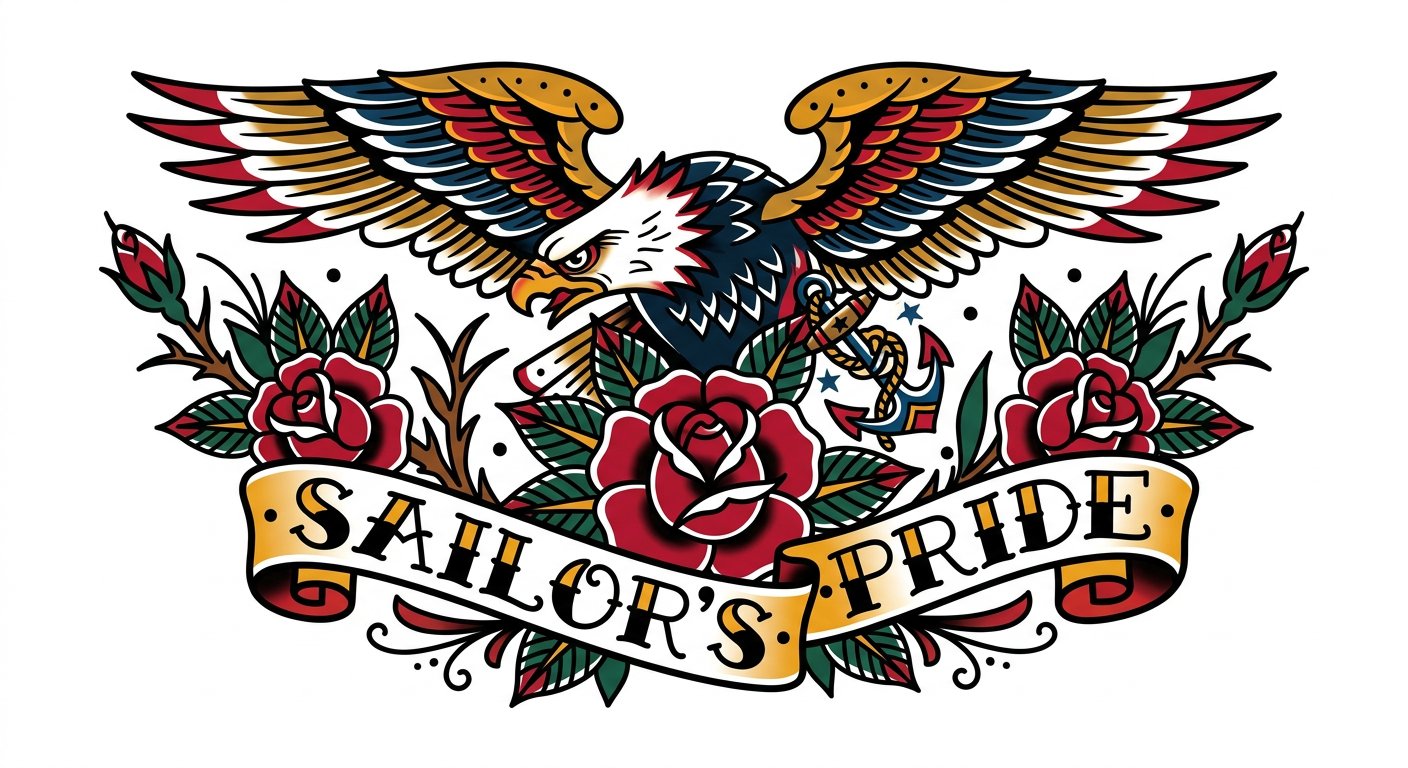
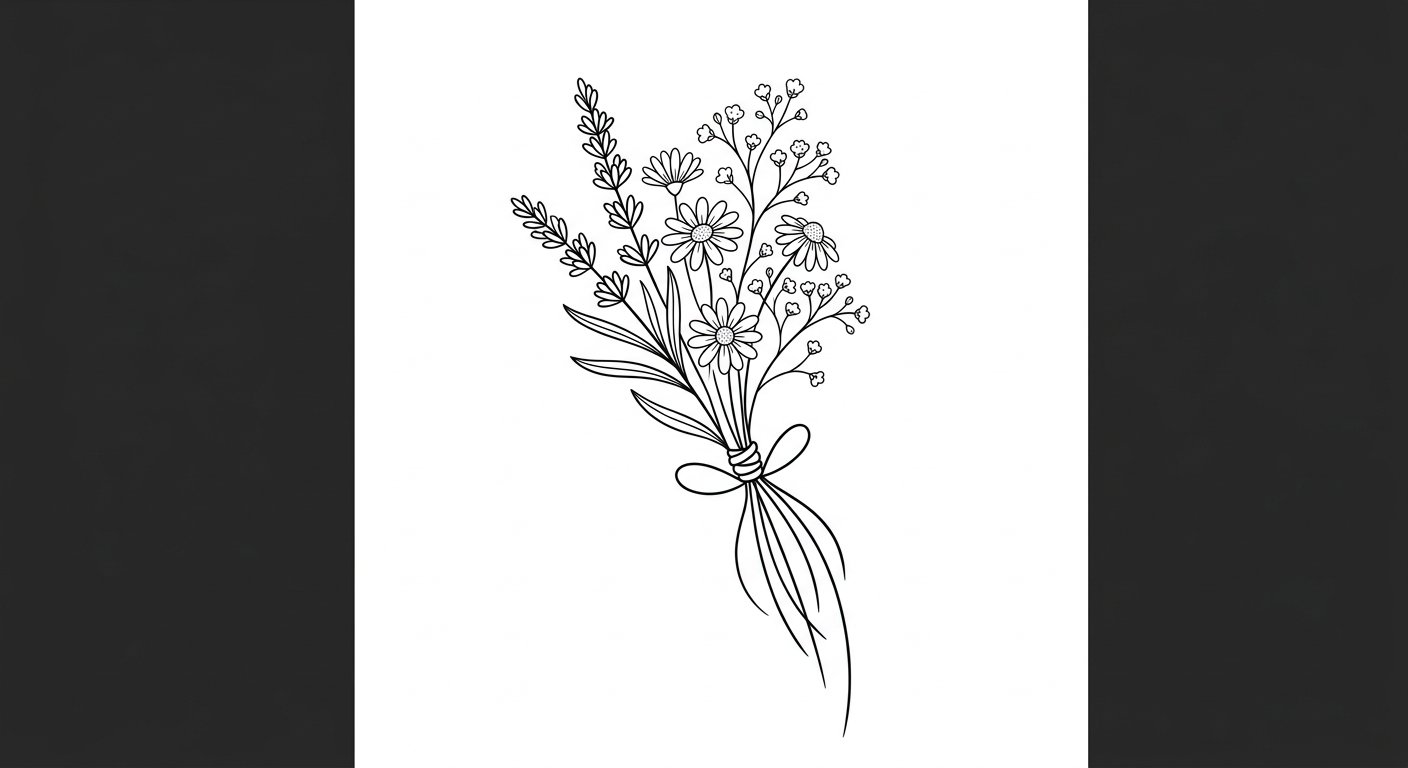
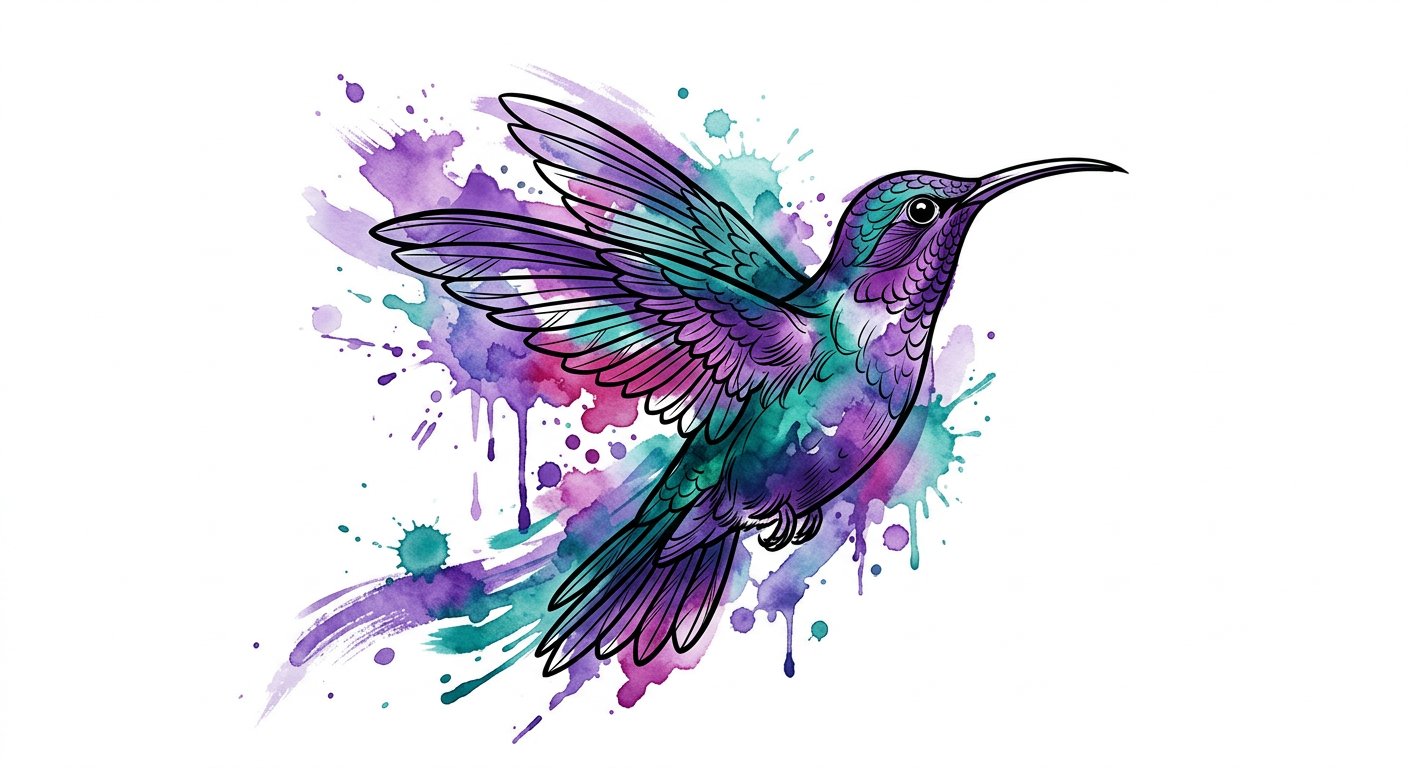
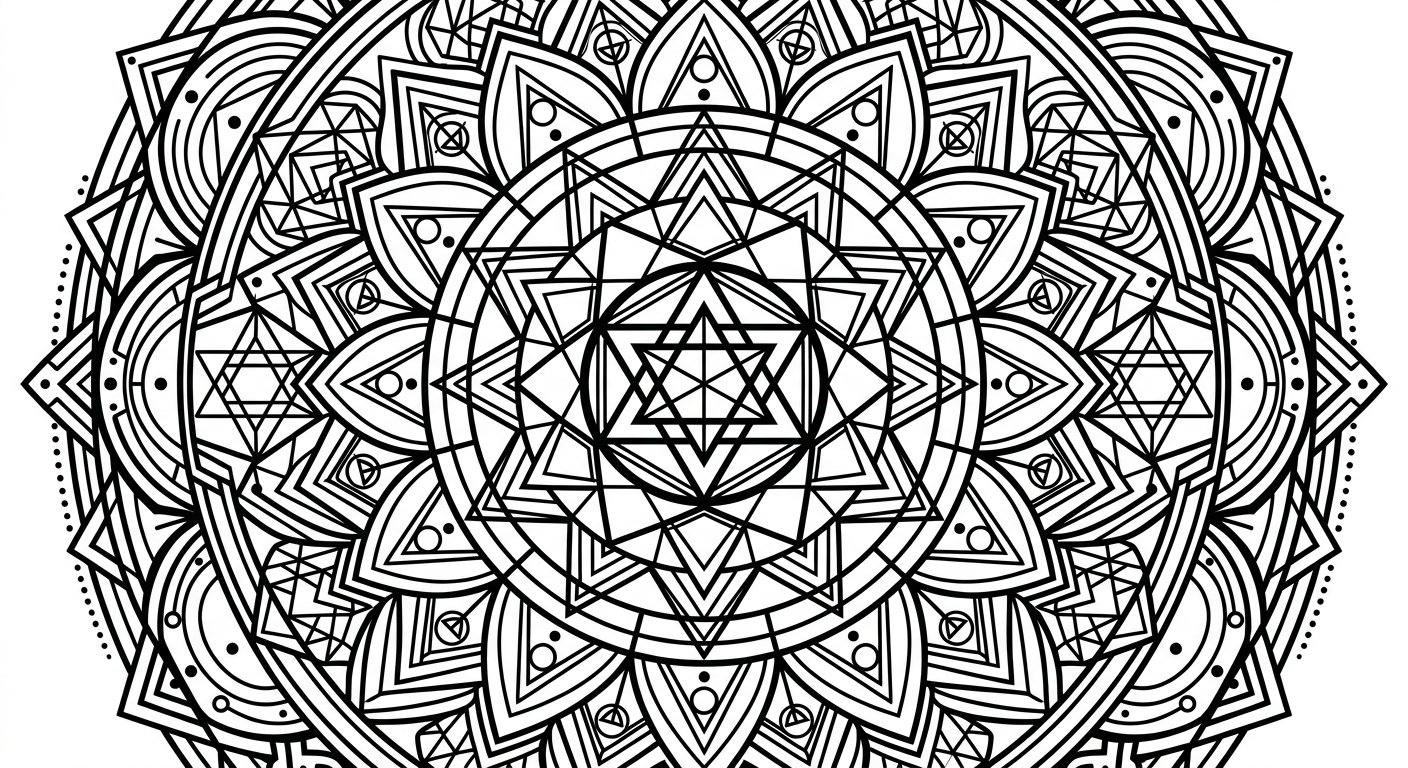
Popular Neo-Traditional Designs
The History of Neo-Traditional Tattoos
Neo-traditional emerged in the late 1990s and early 2000s as artists trained in American Traditional pushed against the style's tight constraints. The pioneers — Eckel, Marcus Kuhn, Antony Flemming, Chad Koeplinger, and Yoni Zilber — kept the bold black outlines and saturated colours of old school but expanded the palette to include teals, purples, and gradient transitions, added more sophisticated shading, and broadened the subject vocabulary to include detailed animal portraits, ornate florals, fantasy imagery, art nouveau motifs, and pop culture. The result is a style that reads as instantly traditional in its DNA but allows for ornate complexity that classic Sailor Jerry-era flash never attempted. Neo-traditional is now arguably the dominant "premium" tattoo style — most modern tattoo magazine covers, convention winners, and Instagram-famous artists work in some flavour of it.
Neo-Traditional Tattoo Symbolism & Meanings
Every motif carries meaning. Here's what the most common neo-traditional tattoo elements represent.
Ornate animal portrait
Connection to the chosen creature's symbolic qualities, rendered with beauty and reverence rather than ferocity.
Lady-head with flowers
Beauty, mortality, and feminine power. Direct descendant of old-school pin-ups but rendered with more emotional depth and ornament.
Fox
Cleverness, adaptability, and mystery. One of the most-tattooed neo-traditional subjects — rich fur and warm colour palette suit the style.
Owl
Wisdom, mystery, and the ability to see what others miss. Often rendered with elaborate feather detail and symbolic objects.
Snake with flowers
Transformation paired with beauty, knowledge paired with growth. The contrast between threat and beauty is a neo-traditional staple.
Stag / deer
Grace, regeneration, and connection to nature. Antlers carry symbolic weight (cycles, growth, masculine wisdom).
Dagger with rose
Old-school motif refined — sacrifice and beauty, danger and softness coexisting.
Crystal ball / occult symbol
Mystery, intuition, and the unknown. Neo-traditional artists frequently borrow from tarot, alchemy, and folk magic imagery.
Where to Place a Neo-Traditional Tattoo
Neo-traditional pieces work best at medium-to-large sizes (5–12 inches) where the ornament and detail can breathe. The upper arm, forearm, thigh, calf, chest, and back are ideal. The bold outlines and saturated colours hold up well over decades — neo-traditional ages closer to traditional than to fine-line styles. Avoid placements with heavy stretching (lower back, sides) for large detailed pieces — the ornamental detail distorts. The style scales down to 3–4 inches for single-element pieces (a single fox head, a single rose), but below that the colour and detail crowds and loses the elegance.
Why Choose AI for Neo-Traditional Tattoos?
Stencil-Ready Plates
Your Design Report pairs its lead neo-traditional design with a stencil study — clean, transfer-ready linework your artist can work from.
Same-day plates
A brief for your neo-traditional tattoo in about two minutes, and the drawn plates the same day.
Try Before You Ink
Visualize your neo-traditional tattoo before committing to permanent ink.
Free consultation · No account or credit card needed
AI vs Traditional Design Process
| Feature | AI Generator DesignMyInk | Traditional Artist |
|---|---|---|
| Time to Design | Brief in about 2 minutes, book the same day | 2-5 days |
| Cost | Free brief · $14.99 once | $50-200/hour |
| Designs to Compare | 12 in one report | 1-2 concepts |
| Style Options | 12 styles, 3 drawn in each book | Artist specialty only |
| Available 24/7 | ||
| Stencil-Ready Linework | Included in report | Extra design time |
| Session & Price Guidance | Honest ballparks included | Quoted in the chair |
Neo-Traditional Tattoo FAQ
What's the difference between traditional and neo-traditional?
Same DNA, expanded vocabulary. Traditional sticks to a tight palette (red, green, yellow, black), simple iconography, and minimal shading. Neo-traditional uses an expanded palette including teals, purples, peaches, and gradient transitions; adds sophisticated shading; and tackles ornate subjects (detailed animals, art nouveau florals, fantasy) that classic traditional avoided. Both share bold black outlines.
How long do neo-traditional tattoos last?
Very well — the bold outlines protect the design from blur as colours fade. Most neo-traditional pieces look great at 20+ years with one touch-up. The expanded palette includes some colours (teal, purple, light peach) that fade faster than the classic traditional reds and yellows, so plan for a single colour-refresh around year 15.
Is neo-traditional good for a first tattoo?
Yes — it's one of the best first-tattoo choices. The bold outlines age beautifully, the colour gives visual punch, and the style accommodates almost any subject (your dog's portrait, your favourite flower, a meaningful object). Just be aware of session length: neo-traditional takes longer than equivalent traditional pieces because of the detail.
How do I know if my artist does true neo-traditional?
Look for: (1) bold black outlines, not fine line; (2) saturated colour fills, not pastel washes; (3) clean shading transitions, not photorealistic gradients. Many artists call themselves "neo-traditional" but actually work in illustrative or "neo-traditional adjacent" styles. The strongest neo-traditional portfolios show consistent line weight, repeating colour palette, and clear traditional influence in the underlying composition.
Can neo-traditional be done in black-and-grey?
Yes — "neo-traditional black-and-grey" is a recognised sub-style. Same bold outlines and ornamental detail, but with grey shading instead of colour fills. It ages even better than colour neo-traditional and creates a more sombre, gothic-leaning aesthetic.
Is "new school" the same as neo-traditional?
No — they're distinct but often confused. New school (popularised in the 90s by artists like Marcus Pacheco) is cartoony, exaggerated, hyper-saturated, often with surreal proportions — think graffiti meets traditional. Neo-traditional is more refined, ornate, and rooted in fine art traditions (art nouveau, Pre-Raphaelite painting). New school looks like a comic book; neo-traditional looks like a vintage illustration.
Where neo-traditional works
Medusa Tattoo Ideas
Medusa in fine line, realism and dotwork
Neck Tattoos for Men
Side, back and front of neck designs
Rose Tattoo Designs
Roses in traditional, fine line and watercolor
Skull Tattoo Designs
Skulls in blackwork, traditional and realism
Traditional Tattoos
Bold outlines and the classic flash palette
Sleeve Tattoo Designs
Plan a full or half sleeve that reads as one piece