The History of Tribal Tattoos
Tribal tattooing predates almost every other art form — Ötzi the Iceman, who lived around 3300 BCE, had 61 tribal-style tattoos preserved on his frozen body. Different cultures developed parallel traditions: Polynesian tatau (the etymological origin of the word "tattoo"), Maori ta moko, Samoan pe'a, Borneo Iban patterns, Native American markings, Celtic and Pictish work in Europe, and Aztec/Mayan glyphs in Mesoamerica. Each tradition encoded social rank, lineage, spiritual protection, or rites of passage in geometric vocabularies passed down through generations. Modern "tribal" tattooing in the West largely traces to the 1980s neo-tribal movement, led by artists like Leo Zulueta and Cliff Raven, who simplified Polynesian and Iban patterns for a Western audience. Authentic Polynesian, Maori, and Samoan tattooing still exists today as living traditions — and they're distinct from the generic "tribal flash" that dominated 1990s mall tattoo shops. The respectful approach is to either commission authentic work from a culturally-trained artist or stick to neutral geometric blackwork that doesn't claim cultural meaning it can't back up.
Tribal Tattoo Symbolism & Meanings
Every motif carries meaning. Here's what the most common tribal tattoo elements represent.
Polynesian band
Status, lineage, and protection. Each pattern element (enata, niho mano, marquesan cross) has specific meaning passed down through families.
Maori spiral (Koru)
New beginnings, growth, and harmony. Based on the unfurling fern frond.
Niho mano (shark teeth)
Strength, adaptability, and protection. One of the most common Polynesian motifs.
Sun pattern
Rebirth, leadership, and eternity. Often placed at the centre of a Polynesian composition.
Celtic knot
Eternity, interconnection, and the bond between life and the spiritual. Knots have no beginning or end.
Aztec sun stone
Cycles of time, cosmic order, and the divine. Drawn from the famous calendar stone.
Tribal turtle (honu)
Longevity, fertility, and protection during travel. A core Polynesian symbol.
Spearhead
Strength in conflict, courage, and warrior status. Common in Maori and Samoan compositions.
Where to Place a Tribal Tattoo
Tribal tattoos were historically designed to flow with the body — Polynesian tatau wraps around limbs and torsos, Maori ta moko follows the lines of the face. Modern tribal work follows the same principle: the upper arm, full sleeve, calf, chest, and back are all ideal canvases. The bold black patterns hold up exceptionally well over decades — tribal is one of the most durable styles. Avoid placements where the curving patterns can't flow naturally (small flat areas, wrist insets); the style needs space to read properly. Hands, fingers, and faces are reserved for authentic cultural work and should not be done casually.
Why Choose AI for Tribal Tattoos?
Stencil-Ready Plates
Your Design Report pairs its lead tribal design with a stencil study — clean, transfer-ready linework your artist can work from.
Same-day plates
A brief for your tribal tattoo in about two minutes, and the drawn plates the same day.
Try Before You Ink
Visualize your tribal tattoo before committing to permanent ink.
Free consultation · No account or credit card needed
AI vs Traditional Design Process
| Feature | AI Generator DesignMyInk | Traditional Artist |
|---|---|---|
| Time to Design | Brief in about 2 minutes, book the same day | 2-5 days |
| Cost | Free brief · $14.99 once | $50-200/hour |
| Designs to Compare | 12 in one report | 1-2 concepts |
| Style Options | 12 styles, 3 drawn in each book | Artist specialty only |
| Available 24/7 | ||
| Stencil-Ready Linework | Included in report | Extra design time |
| Session & Price Guidance | Honest ballparks included | Quoted in the chair |
Tribal Tattoo FAQ
Is it cultural appropriation to get a tribal tattoo?
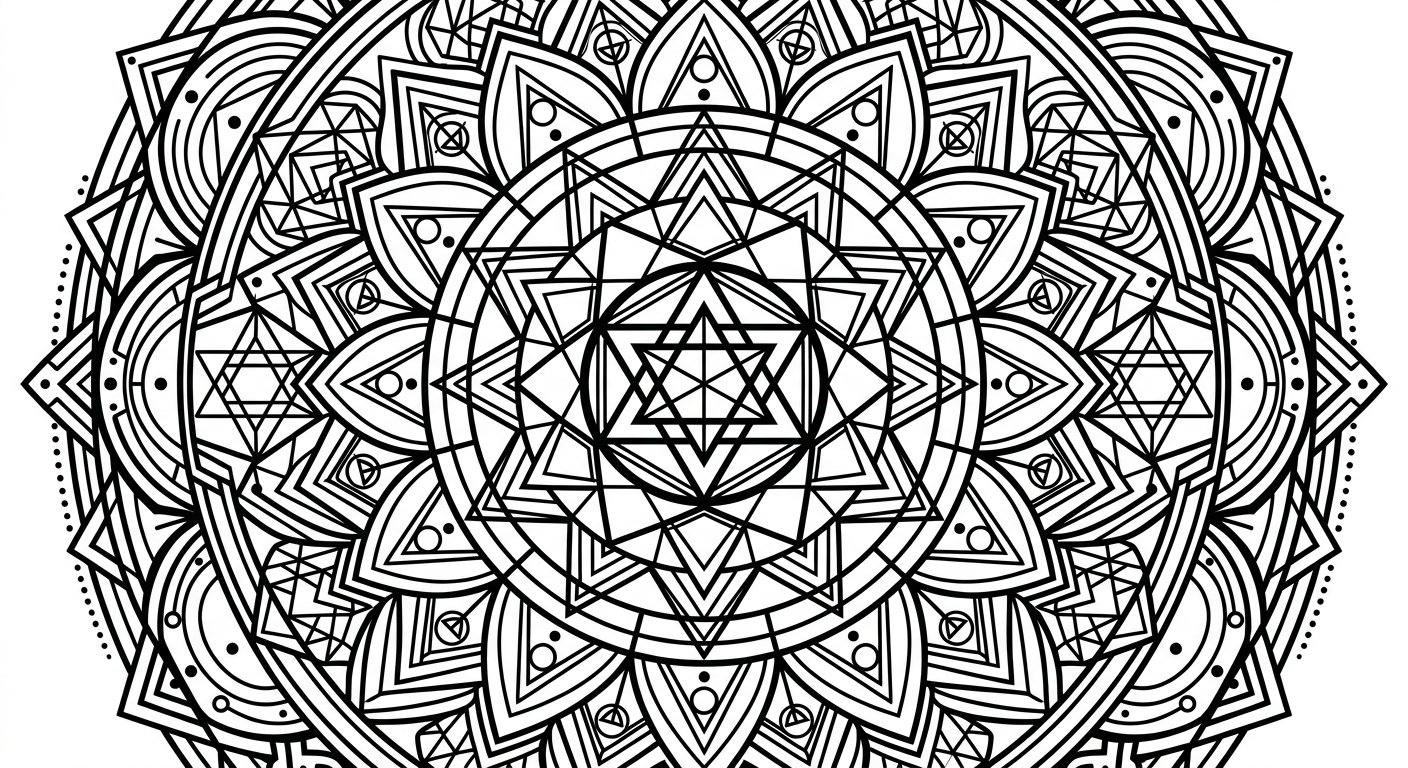
It depends on the design and the artist. Generic "tribal flash" patterns that don't claim a specific cultural origin are typically fine. Authentic Polynesian, Maori, or Samoan designs carry specific lineage and meaning — getting them tattooed by a non-trained artist, or wearing them without understanding their meaning, is widely considered disrespectful. The respectful path: either commission authentic work from a culturally-trained artist, or stay in the neutral geometric blackwork lane.
How long do tribal tattoos last?
Exceptionally well — better than nearly any other style. Solid black ink with bold pattern work holds its definition for 30+ years. The lack of fine detail and the heavy ink density resist fading and blurring. Tribal is one of the safest choices for someone who wants a tattoo that'll still look sharp in old age.
What's the difference between Polynesian and Maori tattoos?
They're distinct cultural traditions. Polynesian (Samoan, Tongan, Hawaiian) tattooing uses geometric pattern blocks built from elements like niho mano (shark teeth), enata (people), and tiki figures. Maori (New Zealand) ta moko uses curving spiral-based motifs (koru, manaia) and is traditionally placed on the face. Both are living traditions with strict cultural protocols around who can wear which designs.
Are 1990s "tribal" tattoos still popular?
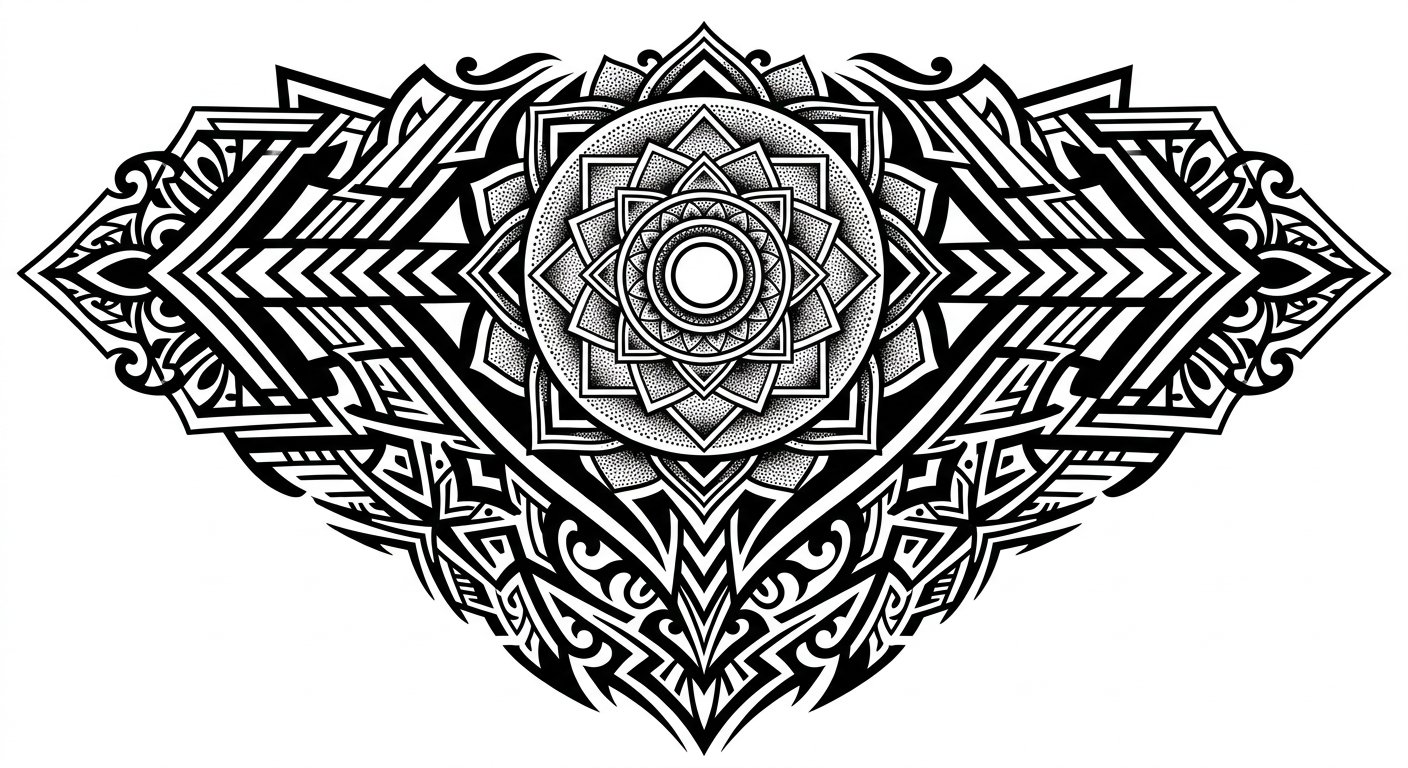
No — the generic "barbed wire / barbed flash" style of the 90s is widely considered dated, and many tattoo artists won't do it without protest. Modern tribal work has split into two paths: authentic cultural traditions (Polynesian, Maori) and neutral geometric blackwork (mandalas, dotwork, ornamental designs). If you have a 90s tribal piece you regret, blackwork cover-ups are common.
How do I find an artist for authentic Polynesian or Maori work?
Look for artists trained in the specific tradition, ideally based in the cultural region or apprenticed under a recognised master. For Polynesian work, check artists in Samoa, Hawaii, French Polynesia, and Aotearoa (NZ). They'll often want a consultation to understand your background and the meaning you're carrying — the design is built from your story, not from a catalogue.
Does tribal hurt more than other tattoo styles?
Yes — large solid black areas hurt more than outlined work because the needle spends more time in one place. A tribal sleeve will hurt more than an equivalent-sized traditional sleeve. The pain isn't sharp; it's a sustained dull burn. Most people find it manageable but tiring during longer sessions.
Where tribal works
Hand Tattoos for Men
Back-of-hand and knuckle designs
Neck Tattoos for Men
Side, back and front of neck designs
Sleeve Tattoo Designs
Plan a full or half sleeve that reads as one piece
Forearm Tattoos for Men
Inner and outer forearm designs
Blackwork Tattoos
Solid black and negative space
Dragon Tattoo Designs
Japanese and Western dragons for sleeves and backs