The History of Watercolor Tattoos
Watercolour tattooing emerged in the early 2000s as artists began deliberately mimicking the visual language of watercolour painting — soft colour washes, paint splatters, dripping pigment, and translucent overlays — on skin. The style is heavily associated with artists like Amanda Wachob, Ondrash, and Joel Wright, who pioneered the techniques in the 2010s. Unlike traditional tattooing, which evolved from craft traditions adapted to skin, watercolour was an aesthetic transplant: artists set out to translate a 2D paper effect onto a 3D living canvas. The technical innovation was figuring out how to lay colour without outlines (which fight the watercolour look) while keeping the design legible long-term. The style became massively popular on Instagram in the mid-2010s and remains one of the most photographed tattoo styles — though longevity concerns mean many traditional tattoo artists still treat it skeptically.
Watercolor Tattoo Symbolism & Meanings
Every motif carries meaning. Here's what the most common watercolor tattoo elements represent.
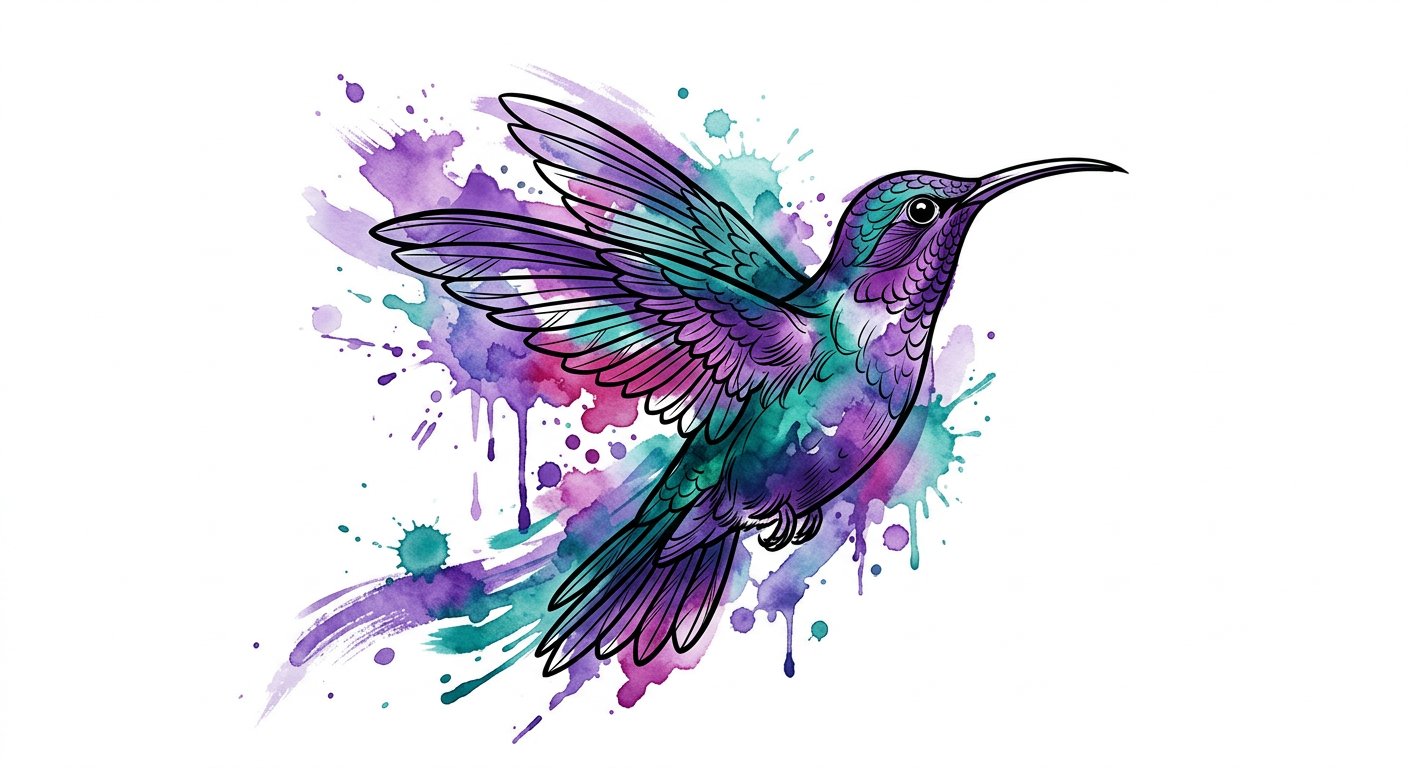
Hummingbird
Joy, lightness, and the appreciation of small moments. The most-tattooed watercolour subject — the bird's iridescence is a perfect colour showcase.
Butterfly
Transformation, rebirth, and freedom. Watercolour treatments emphasise the wings' translucent colour layers.
Galaxy / cosmos
Wonder, perspective, and the vastness of existence. Watercolour's soft gradient quality captures nebulae beautifully.
Flower bouquet
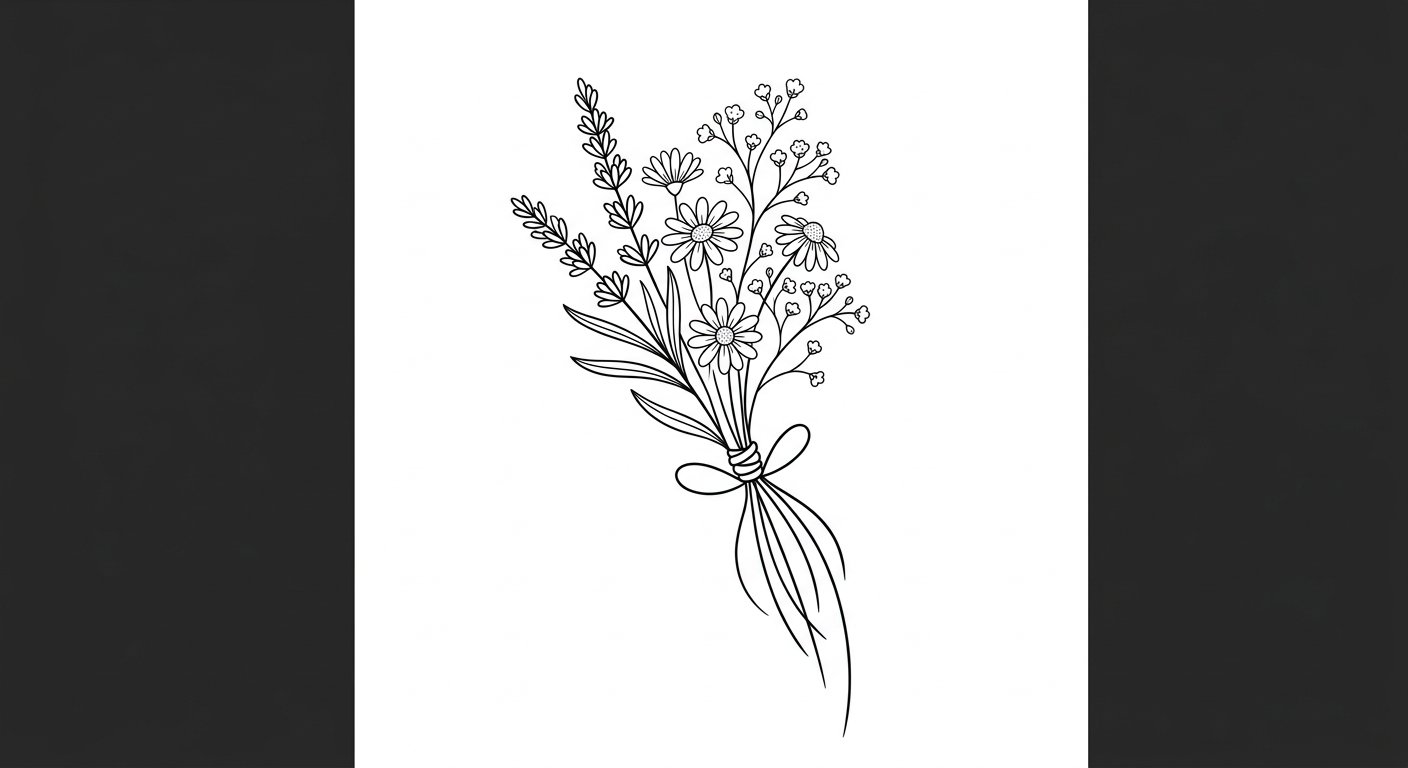
Beauty, growth, and the celebration of life. Roses, peonies, and wildflowers are most common.
Phoenix
Rebirth, transformation through fire, and overcoming adversity. The flame-like colours suit watercolour's painterly quality.
Wolf with colour wash
Strength softened by emotion. The contrast between a fierce subject and gentle colour treatment is a watercolour signature.
Compass / map
Direction, exploration, and personal journey. Often paired with a watercolour wash representing distance and travel.
Tree silhouette
Roots, family, and connection to nature. The watercolour wash often represents seasons, time, or emotional weather.
Where to Place a Watercolor Tattoo
Watercolour tattoos work best on placements with consistent skin tone and limited sun exposure — the inner forearm, upper arm, shoulder blade, calf, and ribcage are the most reliable. The colours need 6–8 inches of canvas to read properly; smaller watercolour pieces tend to look like bruises rather than intentional art. Avoid hands, feet, and fingers entirely — the friction and sun exposure destroy watercolour's soft transitions within a few years. The shoulder blade and upper arm are especially good for watercolour because they age slowly and the colours don't need to flow around tight curves.
Why Choose AI for Watercolor Tattoos?
Stencil-Ready Plates
Your Design Report pairs its lead watercolor design with a stencil study — clean, transfer-ready linework your artist can work from.
Same-day plates
A brief for your watercolor tattoo in about two minutes, and the drawn plates the same day.
Try Before You Ink
Visualize your watercolor tattoo before committing to permanent ink.
Free consultation · No account or credit card needed
AI vs Traditional Design Process
| Feature | AI Generator DesignMyInk | Traditional Artist |
|---|---|---|
| Time to Design | Brief in about 2 minutes, book the same day | 2-5 days |
| Cost | Free brief · $14.99 once | $50-200/hour |
| Designs to Compare | 12 in one report | 1-2 concepts |
| Style Options | 12 styles, 3 drawn in each book | Artist specialty only |
| Available 24/7 | ||
| Stencil-Ready Linework | Included in report | Extra design time |
| Session & Price Guidance | Honest ballparks included | Quoted in the chair |
Watercolor Tattoo FAQ
How long do watercolour tattoos last?
Honestly — they fade faster than any other style. Most watercolour tattoos need touch-ups within 5–7 years, and full re-saturation by year 10–15. The soft gradients that make the style beautiful also make it fragile: there are no bold outlines holding the design together as colours fade. To extend lifespan: keep designs above 6 inches, avoid sun-exposed areas, and use SPF religiously. Some artists now add a subtle blackwork or fine-line "skeleton" inside watercolour pieces to give the design structure that survives fading.
Is watercolour a good choice for a first tattoo?
Probably not. The longevity tradeoff is real — most first-tattoo regret comes from picking a style that hasn't aged well. If you love the aesthetic but want longevity, consider neo-traditional with soft colour, or get a watercolour piece that includes some structural linework so it survives fading. A first tattoo should usually be in a style that ages gracefully (traditional, blackwork, fine line) before experimenting with watercolour.
What's the difference between watercolour and "soft" or "illustrative" tattoos?
Watercolour deliberately mimics paint on paper — splatters, drips, translucent washes, no outlines. Soft/illustrative tattoos are colour-rich and painterly but typically retain some outline work and traditional shading. If a tattoo has paint-splatter elements or looks like it could be a watercolour painting, it's watercolour. If it just looks colourful and artistic but well-defined, it's probably neo-traditional or illustrative.
Can watercolour tattoos be done in black-and-grey?
Yes — "ink wash" or "black-and-grey watercolour" exists, using the same splatter and wash techniques but with black ink at varying dilutions. It often ages better than colour watercolour because there's only one pigment to fade. If you love the watercolour aesthetic but worry about longevity, this is a strong middle-ground option.
How do I find an artist who specialises in watercolour?
It's a specialty — most general tattoo artists shouldn't do watercolour. Look specifically for artists whose entire portfolio is watercolour or watercolour-adjacent. Check fully-healed photos at 6+ months — that's when watercolour's longevity issues show up. The best watercolour artists will be honest about touch-up needs and may even build them into the original session price.
Will my watercolour tattoo bleed through skin or look like a bruise?
Done well, no — but it's a common failure mode. Watercolour requires excellent ink-laying technique to keep colours saturated and crisp; weaker artists end up with muddy, bruise-like results. Two protective steps: only use a portfolio-vetted watercolour specialist, and insist on saturated test colour spots in your stencil consultation so you can see how the colour will lay on your specific skin tone.
Where watercolor works
Forearm Tattoos for Women
Fine line and botanical forearm designs
Rose Tattoo Designs
Roses in traditional, fine line and watercolor
Memorial Tattoo Designs
Tributes with dates, portraits and symbols
Tattoo Designs for Women
Fine line, florals, placements and sizing
Abstract Tattoos
Freeform shapes and negative space
Minimalist Tattoos
Simple shapes and single lines